What Is The Tools Home and How Does It Work?
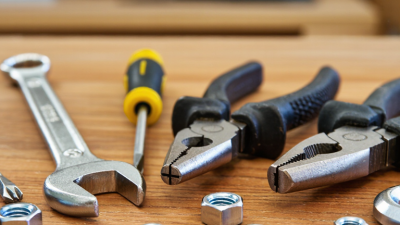
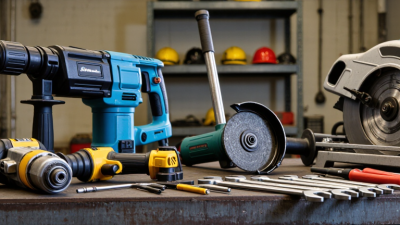
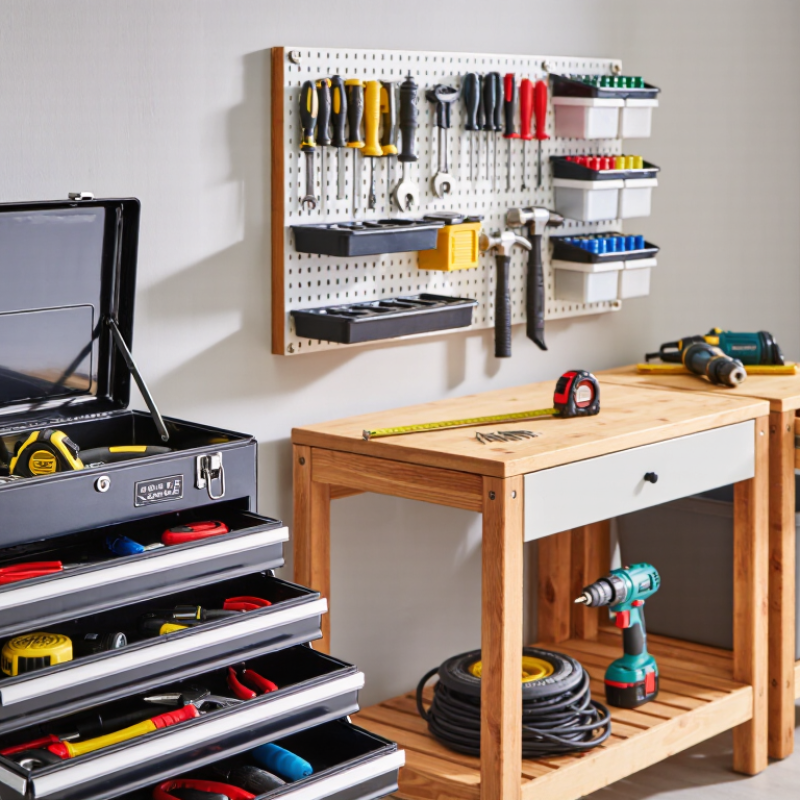
The Tools Home is best understood as a practical system for keeping household tools visible, protected, and ready to use. It may include a sturdy toolbox, wall-mounted storage, labeled drawers, or a small workbench near common repair areas. The goal is not a picture-perfect workshop. It is knowing where the screwdriver went when a cabinet hinge starts to wobble.
The need is easy to see in renovation data. Houzz’s 2024 U.S. Houzz & Home Study reported that 54% of surveyed homeowners undertook renovation projects in 2023, with median spending reaching $24,000. Those figures do not measure tool ownership, but they show how often people invest in their homes—and why dependable access to basic equipment matters. Design researcher Don Norman offers a useful principle: “Attractive things work better.” A calm, clearly arranged tool space can make routine tasks feel less frustrating, though neatness alone does not guarantee safety or good workmanship.
So, how does The Tools Home work? It groups tools by task and frequency of use, then gives each item a consistent place. Keep daily essentials—such as a tape measure, pliers, and a flashlight—within easy reach. Store heavier or occasional-use items lower, and check that handles, cords, and batteries remain in good condition. Small habits matter. Yet every home is different; a compact apartment may need a portable case, not a dedicated workshop. The best setup is useful, realistic, and easy to maintain.
What Is Tools Home?
Tools Home is a central page where people can find and open the tools available in a device, app, or online service. It may show shortcuts, recent items, search, and simple settings. Think of it as a workbench: common tools sit within reach, while less-used options may be tucked into menus. Its exact layout and features depend on the product, so the name does not describe one universal system.
In practice, a person opens Tools Home, chooses a tool, and follows its on-screen instructions. Some pages group tools by task, such as editing, measuring, or managing files. Others provide a search box or recently used list. A well-designed home page can reduce needless switching, but it cannot guarantee that every tool is suitable for every task. Labels may be vague, and menus can still feel crowded. That is worth noticing; a tidy screen is not always an intuitive one.
Tips: Check the tool’s description before using it, and review its settings when available. Pin frequently used tools if the page supports it. Keep expectations modest: layouts and capabilities can change after updates.
What Services and Resources Does Tools Home Provide?
Tools Home is a central place to find practical tools, guidance, and support resources. Its services may include searchable directories, step-by-step instructions, comparison details, and answers to common questions. The goal is simple: help people identify a useful resource without searching across many separate pages. A clear category menu can make that easier. So can filters for task, skill level, or cost.
Resources work best when each listing explains what a tool does, who it suits, and what to check before using it. For example, someone planning a small home repair might look for a measuring guide, a materials checklist, and basic safety advice in one visit. That saves time. It also helps users make informed choices rather than relying on a short description alone. Still, directories can become outdated, and not every recommendation fits every situation. Readers should check dates, instructions, and their own needs before acting. A little uncertainty remains. Clear contact options and correction pathways can help keep information useful and dependable.
How Does Tools Home Organize Its Tools?
Tools Home is a central workspace that groups tools by task, so people can find the right function without opening several menus. Common categories might include writing, file management, planning, and account settings. Clear labels matter: “Organize files” is more useful than a vague icon. Search can help when categories grow, while recent and pinned tools keep frequently used options close at hand. Small details count. A visible search box saves time.
A useful layout shows the most relevant tools first and keeps related actions together. For example, a planning section could place calendars, reminders, and shared schedules in one area. Consistent icons and short descriptions also help new users understand what each tool does. Still, categories can become crowded as features are added. A tidy screen does not always mean an intuitive one, and labels may need review as people’s routines change. That part is easy to overlook.
Tips: Pin only tools you use often, and remove shortcuts that no longer help. Use search for unfamiliar options. If a tool feels hard to find, check whether its label or category makes sense to a first-time visitor.
How Do Users Find and Use Tools Home?
Tools Home is a central page where users locate available tools, understand their purpose, and open the right one for a task. A clear layout helps: group tools by activity, use plain labels, and put frequent options near the top. Nielsen Norman Group’s 2006 eye-tracking research, involving 232 users, found that people often scan pages in an F-shaped pattern. This suggests that key names and actions should appear early, not be buried in dense descriptions. A crowded home page still causes hesitation.
Users can start by scanning category headings, then checking a tool’s short description before opening it. For example, someone preparing a report might look for a writing or data tool, confirm what it does, and select it. Search and filters help when the collection grows, but they need predictable wording and useful results. A tiny label can be unclear. Honestly, category names often need testing; what seems obvious to a designer may not be obvious to a new user.
Tips: Keep a few common tools visible, make search easy to spot, and give each tool a one-line explanation. If users repeatedly open the wrong option, review the labels and grouping rather than blaming the user. A quick usability test with real tasks can reveal those rough edges.
What Are the Benefits and Limitations of Tools Home?
A Tools Home is a central page that brings frequently used digital tools into one workspace. It may show shortcuts, recent files, task lists, or status updates. The exact features depend on the system behind it. In practice, a worker might open one page to check a project, launch a calculator, and find a shared document. That saves small amounts of time. Repeated often, those minutes can matter.
The main benefit is reduced switching. When useful tools sit together, people spend less time searching through menus or browser tabs. A well-organized home page can also make routines easier to follow, especially for new team members. Clear labels and familiar layouts help. Still, convenience depends on thoughtful setup. Too many shortcuts can turn the page into another cluttered screen, and outdated links may waste time instead of saving it.
There are limits. A Tools Home does not guarantee that its connected tools work smoothly or share information accurately. Access settings, network problems, and inconsistent updates can interrupt a workflow. It may also encourage people to rely on one page without checking whether its information is current. That part is easy to overlook. Teams should review links and permissions regularly, and users should know where important data actually comes from. A central page can organize work, but it cannot replace sound processes or careful judgment.
What Is a Tools Home, and How Does It Work?
A Tools Home is a central place to find and access digital tools. The chart gives a qualitative overview of common benefits and limitations; ratings are illustrative, not measured results for a specific product.
How to read it: Ratings range from 1 (low) to 5 (high). Centralized access and tool discovery can make everyday workflows easier, while setup effort, integration gaps, and the need to learn a new interface may limit the experience. Actual results depend on the tools and configuration.