Blog
What Is a Garden Tool Set?
A garden tool set is a group of hand tools chosen for routine planting, pruning, and soil care. A basic kit may include a trowel, hand fork, pruning shears, gloves, and a small weeder. Each has a distinct job: a trowel opens planting holes, while a fork loosens compacted soil around young roots. The exact mix depends on garden size, plant types, and how much work you do by hand. More tools do not always mean better gardening.
In the Tools Garden field, horticultural educator Olivia Grant offers this practical reminder: “Choose tools for the tasks you repeat, not the tools that simply look complete.” A well-made set should feel comfortable, have sturdy joints, and suit the gardener’s grip. Check that blades close cleanly and wooden handles have no splinters. These details matter during a damp morning, when muddy gloves make a slippery handle harder to control. Small checks help.
A set can also be too limited. A balcony gardener may need only a few compact tools, while a larger vegetable plot may call for stronger digging equipment. I should be clear: a bundle’s tool count says little about its quality. Materials, balance, and maintenance matter more. After use, rinse off soil, dry metal parts, and store tools out of the rain. Even a dependable set needs care. The right kit makes everyday jobs easier, but it cannot replace good technique or a thoughtful choice of plants.
Definition and Purpose of a Garden Tool Set
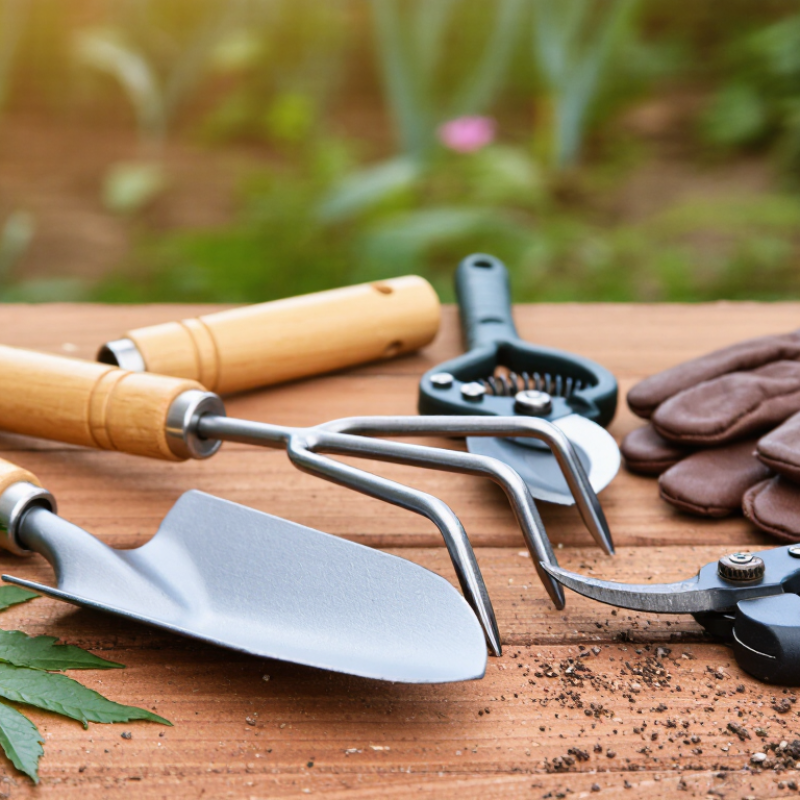
A garden tool set is a coordinated group of hand tools for everyday planting and maintenance. A basic set often includes a trowel for digging, a hand fork for loosening soil, and a weeder for lifting small roots. Some sets add pruning shears or gloves. The exact selection varies, so “complete” does not always mean useful for every garden. Small details matter: a comfortable grip helps during repeated planting, while a strong metal head is less likely to bend in compacted soil.
The purpose is to keep common tasks manageable and tools close at hand. A trowel can make a neat hole for a seedling; a cultivator can break up the crust around it.
The National Gardening Association’s 2024 National Gardening Survey reports that about 80% of U.S. households took part in lawn and garden activities in 2023. That broad participation helps explain the appeal of accessible hand tools, though a set cannot replace choosing tools for your soil, plants, and physical comfort. Some kits include pieces that rarely get used. That is worth considering.
Tips: Match tool size to the bed and your hand. Check joints and handles before buying, and clean soil from metal after use. Store tools dry. A little care helps.
Common Tools Found in a Garden Tool Set
A garden tool set usually combines hand tools for planting, loosening soil, pruning, and watering. Common pieces include a hand trowel for digging small holes, a transplanter for moving seedlings, and a hand fork for breaking up compacted soil. Pruning shears trim thin stems, while a cultivator works around plants without requiring a full-size hoe. Some sets also include gloves, plant labels, or a small weeder. Small, but useful.
The National Gardening Association’s 2023 National Gardening Survey estimated that 80% of U.S. households took part in lawn and garden activities in 2022. That broad participation makes versatile, easy-to-store tools practical for many home growers. A comfortable grip matters: wet hands can slip, and stiff shears can tire your fingers during repeated cuts. Look for sturdy metal heads and handles that feel secure, not merely a long list of accessories. Details matter. A compact watering can may suit seedlings, but it will slow down watering larger beds. After use, brush soil from the blades and dry them before storage. Even a well-made set may need a separate spade for deep digging.
What Is a Garden Tool Set? Common Tools and Their Uses
A garden tool set is a collection of tools for everyday garden tasks. This example includes one hand trowel, hand fork, hand cultivator, pruning shears, watering can, and pair of gloves. Counts show the number of these items assigned to each primary use; some tools can serve more than one purpose, and sets vary.
Materials and Design Features of Garden Tools
A garden tool set usually combines a hand trowel, transplanter, cultivator, and pruning tool. Its usefulness depends on more than the number of pieces. Material choice affects weight, corrosion resistance, and how well each tool handles repeated pressure. The National Gardening Association’s 2024 National Gardening Survey reports that 80% of U.S. households participated in lawn and garden activities in 2023. That broad use makes durability and comfortable handling practical concerns, not just design details.
Stainless-steel heads resist corrosion, though they are not immune to staining or damage. Carbon steel can hold a sharp edge, but it needs drying after wet work. Aluminum handles are light, while wooden handles feel warm and can be sanded if rough spots develop. Fiberglass handles resist moisture, but a cracked handle is difficult to repair safely. Small details matter. A rounded grip can reduce pressure on the palm; a textured surface may help when gloves are damp. These features do not fit every hand equally well.
Look closely at the joint between head and handle. Loose connections can make digging feel unstable, especially in compact soil. A hanging hole aids storage, but it does not improve balance. That trade-off is easy to miss. Tool sets also vary in blade thickness and handle length, so a neat matching set may not suit every task. The survey describes gardening participation, not tool performance; checking materials and construction in person remains useful.
How Garden Tool Sets Support Different Gardening Tasks
A garden tool set is most useful when its pieces match the work at hand. A hand trowel opens small planting holes, while a narrow transplanter helps lift seedlings with less soil disturbance. A cultivator loosens crusted soil around young plants. Pruners handle thin stems and spent flowers. Keep blades clean and sharp; dull edges can crush stems instead of making neat cuts.
Tasks also differ in physical effort. The 2011 Compendium of Physical Activities assigns general gardening 3.8 METs and digging or spading 5.0 METs. These are population estimates, not personal predictions, but they show why tool choice matters. A long-handled spade can reduce repeated bending during bed preparation, while a lightweight hand tool suits close work in pots. Gloves help protect hands from rough handles and thorny stems. Small details count.
A set cannot make every job easy. Some supplied tools may feel awkward or rarely leave the shed, so check grip, weight, and soil type before relying on them. For container care, a narrow scoop and watering can may earn more use than a large fork. For a compact raised bed, a hand cultivator may be enough. Real gardens vary. The right combination changes with the season, plant spacing, and the gardener’s reach.
Choosing and Caring for a Garden Tool Set
A garden tool set is a group of tools for routine planting, pruning, weeding, and watering. Choose one for your actual garden, not its piece count. A small balcony may need a hand trowel, snips, and a narrow watering nozzle; a vegetable bed benefits from a sturdy fork and full-size pruners. Handles should feel secure without forcing your wrist into an awkward angle. Check that metal parts are firmly joined and easy to clean. The National Gardening Association’s 2023 National Gardening Survey reported that 80% of U.S. households took part in lawn and garden activities in 2022. With so many different spaces to maintain, one oversized kit will not suit everyone. More tools are not always better.
If a set includes a hose nozzle, look for an adjustable spray. The U.S. Environmental Protection Agency says outdoor water use accounts for about 30% of household water use, and inefficient watering can waste as much as half. After use, brush soil from blades, dry them, and store tools somewhere sheltered. Wipe pruning blades with alcohol after cutting diseased material, and sharpen them when they begin crushing stems instead of making clean cuts. Dry them well. Wooden handles can crack if left wet, while rust can spread unnoticed in a damp shed. I still find it easy to put tools away in a hurry; that small shortcut is often what leaves them grimy the next morning.
What Is a Garden Tool Set? - Choosing and Caring for a Garden Tool Set
| Tool | Common Use | What to Look for | Care and Storage |
|---|---|---|---|
| Hand trowel | Digging small planting holes, transplanting seedlings, and moving potting mix. | A sturdy blade securely attached to the handle; a comfortable grip; a narrow blade for confined spaces or a wider blade for general planting. | Brush off soil after use, wash and dry when needed, and store in a dry place to limit corrosion. |
| Hand cultivator or garden fork | Loosening the surface of soil, breaking up small clumps, and working compost into beds. | Strong, evenly spaced tines and a handle that feels comfortable in the hand. | Remove soil from between the tines and dry the tool before storage. Avoid using it to pry against hard objects. |
| Bypass pruning shears | Cutting small, living stems and making clean cuts on suitable plants. | Blades that meet cleanly, a comfortable handle, and a locking mechanism that works securely. Choose a size suited to the user's hand. | Wipe the blades clean and dry after use. Keep them sharp, and clean them between plants when reducing the risk of spreading disease is important. |
| Garden rake | Gathering leaves and light garden debris or leveling loose soil, depending on the rake design. | Choose a leaf rake with flexible tines for leaves, or a bow rake with rigid metal tines for soil work. | Clear debris from the tines and store the rake with its head protected from damage. |
| Spade or digging shovel | Turning soil, edging beds, digging holes, and moving soil. | A blade shape suited to the task, a secure connection between blade and handle, and a length that can be used comfortably. | Remove soil after use and dry the blade. Store it safely with the blade covered or positioned away from walkways. |
| Hoe | Cutting or disturbing shallow weeds and loosening the soil surface in open beds. | A head designed for the intended technique, a firmly attached handle, and a length that allows comfortable upright use. | Clean soil from the blade, dry it before storage, and keep the cutting edge in serviceable condition. |
| Watering can | Watering containers, seedlings, and small garden areas. A rose attachment helps produce a gentler spray. | A capacity that is manageable when full, a comfortable handle, and a spout suited to the plants being watered. | Empty and rinse periodically. Store out of direct weather when possible, especially if the can has parts that may corrode. |
| Garden gloves | Protecting hands from soil, rough plant material, and minor scrapes during routine garden work. | A comfortable fit and material appropriate for the task; gloves should allow enough movement to handle small tools safely. | Follow the care instructions for the glove material. Let gloves dry fully before storing them. |
| Choosing a set: A garden tool set is a collection of tools selected for common gardening tasks. Contents vary, so choose a set based on the plants, space, and work involved. Check that handles and joints feel secure, tools are comfortable to use, and the set includes the tools you will actually need. | |||
Related Posts
-
Top Garden Hand Tools for Every Gardening Need?
-
Top Garden Hand Tools in China for Effective Gardening Solutions?
-
How to Choose the Right Trenching Tools for Your Project?
-
Exploring Top Tools for Your Home Improvement Projects?
-

Top Paver Tools for 2025 Essential Guide for Homeowners and Contractors
-
2025 How to Choose the Best Paver Tools for Your Next Project