What Are the Best Household Tools for 2026?
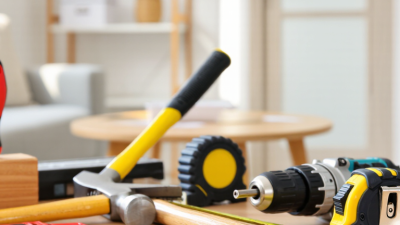
The best Household Tools for 2026 are not necessarily the newest or most expensive. They are the tools that solve frequent jobs safely, fit the user’s hands, and hold up in a real home. A cordless drill should feel balanced on a ladder. A tape measure should lock without snapping back. Small details matter.
The demand behind home repairs is substantial. Harvard’s Joint Center for Housing Studies projected that annual homeowner spending on improvements and maintenance would reach $509 billion by the first quarter of 2025. That estimate describes renovation and maintenance spending, not tool sales, but it signals the scale of work homeowners are managing. For practical guidance, master carpenter Norm Abram’s familiar workshop maxim still earns its place: “Measure twice, cut once.” It is simple advice. It can prevent wasted material and frustrating do-overs.
This guide will compare useful picks for common repairs, routine maintenance, and larger weekend projects. Expect a closer look at hand tools, power tools, measuring gear, storage, and basic safety equipment. We will weigh grip, durability, battery compatibility, repairability, and price—not just impressive specifications. A heavier tool may last longer, yet still feel wrong after an hour. And no single kit suits every home. The recommendations should help readers build a dependable collection one task at a time, while leaving room for a modest truth: even a well-chosen tool cannot make every repair easy.
What Counts as an Essential Household Tool in 2026?
What Counts as an Essential Household Tool in 2026?
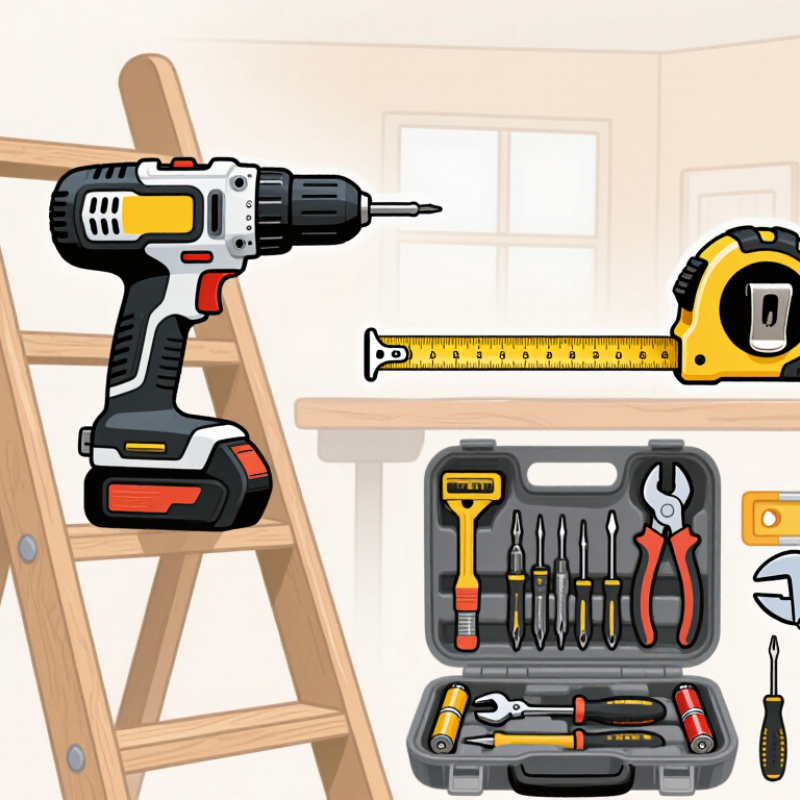
An essential household tool handles common, low-risk repairs without taking up a drawerful of space. A practical starter kit might include screwdrivers, adjustable pliers, a wrench, a tape measure, a flashlight, and a small level. Keep them where you can find them. A drill can be useful, but it is not essential in every home; the right kit depends on what you rent or own and what you can safely repair yourself.
The U.S. Environmental Protection Agency’s WaterSense program estimates that household leaks waste nearly 10,000 gallons of water each year. It also reports that 10% of homes have leaks wasting at least 90 gallons daily. A wrench and pliers can help with simple fixes, while FEMA’s emergency kit guidance recommends keeping pliers or a wrench available to shut off utilities. Not glamorous. But useful when a small problem appears at an inconvenient hour.
Readiness is more than a toolbox. NFPA research reports that working smoke alarms are associated with a 55% lower risk of dying in a home fire. Keep alarms maintained, and treat electrical or gas repairs as work for a qualified professional. I would not buy every tool “just in case.” That advice sounds tidy, but clutter and unfamiliar equipment can create their own problems.
How to read this chart: Counts represent common task types each tool can handle, based on the examples listed—not survey results or a measure of product quality. A basic toolkit can cover measuring, fastening, gripping, cutting, and minor repairs.
Which Hand Tools Handle the Most Common Home Repairs?
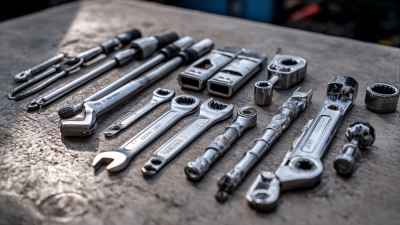
The best household hand tools are the ones that solve frequent repairs without turning a small job into a hardware-store trip. A claw hammer, combination screwdriver set, adjustable wrench, slip-joint pliers, tape measure, utility knife, and level cover loose hinges, dripping fittings, picture hanging, and basic furniture assembly. Add a hex-key set for flat-pack furniture and a small flashlight for dim cupboards. Keep them together in a sturdy box; scattered tools are less useful.
The need is substantial. Harvard’s Joint Center for Housing Studies projected annual U.S. spending on home improvements and repairs would reach $509 billion by the third quarter of 2025. That figure covers many kinds of work, not just tasks suited to hand tools, but it shows why a reliable starter kit matters. For common fixes, choose screwdrivers with comfortable, nonslip handles and pliers that grip without excessive force. A tape measure with clear markings saves repeat cuts. Small details matter.
Use the right tool, and inspect it before work. A rounded screwdriver tip can slip and damage a screw; a loose hammerhead is unsafe. I still find that “universal” tools can disappoint when a fitting is unusually narrow. That is worth admitting: a basic kit handles many repairs, not every repair. Stop when a job involves hidden wiring, persistent leaks, or structural damage, and seek qualified help.
What Power Tools Make Household Projects Easier?
What Are the Best Household Tools for 2026?
What Power Tools Make Household Projects Easier?
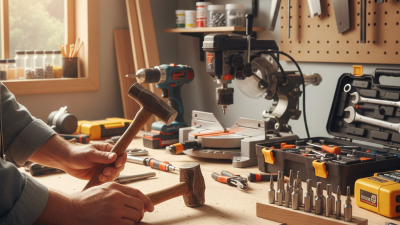
For many household jobs, a cordless drill-driver is the most useful starting point. It can assemble flat-pack furniture, install curtain brackets, and drive screws into shelving. Choose one with a clutch, so you can reduce torque and avoid stripping screw heads. A compact model is easier to handle in a cupboard or above shoulder height. Small jobs add up.
A jigsaw helps cut curves in thin wood, while a circular saw is better for straight cuts across boards. For removing old caulk or trimming door edges, an oscillating multi-tool can reach awkward corners. These tools save effort, but they do not replace careful measuring. A rushed cut can waste material. I’d plan the cut, check the workpiece is secured, and wear eye protection and hearing protection when the task calls for it.
Tips: Match the tool to the material and task. Use the correct blade or bit, and unplug corded tools before changing accessories. Keep batteries charged, but store them away from excessive heat. Start with a scrap piece if you are unsure about a setting. It may feel slower. It often prevents a costly mistake.
How Should You Choose Tools for Your Home and Budget?
Choosing household tools starts with the jobs you actually do. Make a short list: tighten loose cabinet handles, hang a picture, assemble a shelf, or prune a few stems. Then check what each task needs. A tape measure, level, screwdrivers, pliers, and a hammer cover many basic repairs. If you rarely work outdoors, a large garden set may spend more time in a closet than in your hands.
Set a budget before browsing, and compare durability, comfort, and replaceable parts—not just the number of pieces. A tool should feel steady in your grip, with controls you can use without straining. Check that blades lock securely and that electrical tools suit the tasks you expect to tackle. For occasional use, a reliable basic tool can be better value than a costly specialist model. More pieces do not always mean more usefulness.
Think about storage, too. A damp basement can rust unprotected metal, while a small apartment may have room only for a compact case. A tidy matching set can feel reassuring, but that feeling can lead to buying tools you never use. I would rather leave one job uncovered than pay for a drawer full of duplicates. Still, needs change. Review your kit after a few months, and note which missing tool would have saved time.
How Can You Store and Maintain Household Tools Safely?
What Are the Best Household Tools for 2026?
How Can You Store and Maintain Household Tools Safely?
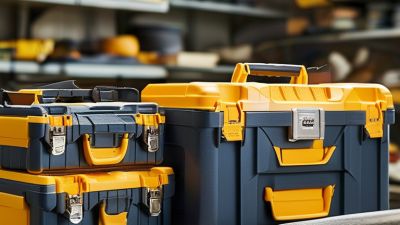
A useful tool set is only as reliable as its storage habits. Keep hand tools in a dry, well-lit place, such as a ventilated cabinet or a sturdy toolbox. Damp basements and crowded drawers can encourage rust and cause sharp edges to nick your hands. Store knives, chisels, and saws with covers in place. Keep heavier tools low, where they are less likely to fall.
Before cleaning or adjusting a power tool, unplug it or remove its battery. Wipe away dust and moisture, then check handles, blades, and cords for cracks or wear. Follow the tool’s care instructions; oiling every surface is not always appropriate. It is easy to put tools away damp after a rushed repair. That shortcut can lead to rust, so pause for a quick wipe-down.
Tips: Label storage bins, keep small parts in closed containers, and place tools beyond children’s reach. Check your setup every few months. A loose handle or frayed cord deserves attention before the next job, not during it. If you are unsure how to repair a damaged tool, stop using it and consult its care guide or a qualified repair professional.