Blog
What Is the Best Type of Household Tools for Home Use?
Choosing the best Household Tools for home use is less about owning more and more about choosing wisely. A loose cabinet hinge, dripping tap, or flat-pack shelf can expose the difference between a useful kit and a cluttered drawer. The ideal selection should match real household tasks, hand strength, storage space, and repair confidence.
Market evidence supports this practical approach. Grand View Research estimates that the global hand tools market reached approximately $24.8 billion in 2023, with steady growth expected through 2030. Its analysis links demand to home maintenance, construction, and increasing do-it-yourself activity. The U.S. Home Improvement Research Institute also tracks sustained consumer spending on repair and renovation products. These figures show a broader pattern: homeowners are investing in tools, but investment alone does not guarantee good results.
Norm Abram, the respected master carpenter from This Old House, often repeated the advice, “Measure twice, cut once.” That principle applies to every tool purchase. A reliable screwdriver set, adjustable wrench, claw hammer, tape measure, level, and cordless drill usually provide more value than specialized gadgets. Start there. Fancy tools can wait.
Still, no buying guide gets everything right. A small apartment may need compact tools, while an older homeowner may prefer lighter designs with soft grips. Battery systems also create hidden costs when brands use different platforms. The best Household Tools are therefore practical, durable, comfortable, and easy to use safely. This guide examines those qualities, while acknowledging one inconvenient truth: the perfect toolkit depends on the home, the user, and the repairs waiting behind the next door.
Household Tools: Definition, Purpose, and Main Categories
What Is the Best Type of Household Tools for Home Use?
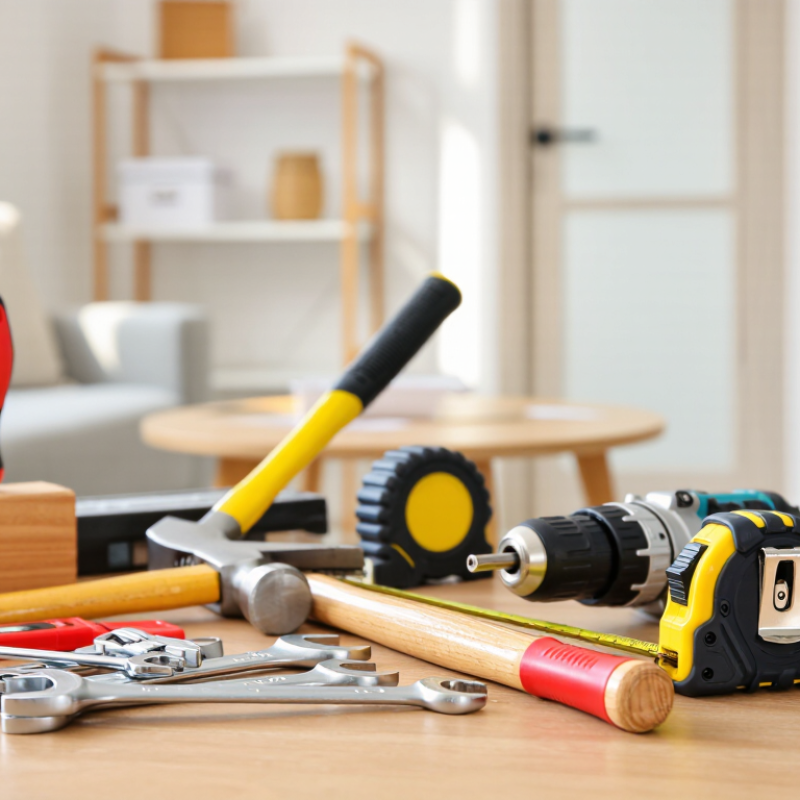
Household tools are practical objects that help people repair, maintain, assemble, or improve everyday spaces. Their purpose is simple: reduce effort while producing safer, cleaner, and more accurate results. A useful home toolkit usually includes measuring tools, cutting tools, fastening tools, gripping tools, and basic electrical or plumbing tools. Each category serves a different task. A tape measure checks dimensions, while a screwdriver tightens or loosens fasteners. Pliers hold small parts firmly, and a utility knife cuts packaging or thin materials. The best tool is not always the largest or most powerful one. It should match the job, fit the user’s hand, and remain easy to control.
In my experience, a balanced toolkit is more valuable than a crowded drawer. I once chose a tool because it looked versatile, but it felt uncomfortable during repeated use. That small mistake taught me to consider grip, weight, storage, and maintenance. Tools with insulated handles can improve protection during suitable electrical tasks, but users must still follow safety guidance. Damaged handles, loose blades, or rusty parts should not be ignored. A tool can appear usable and still fail unexpectedly.
Tips: Keep measuring, fastening, gripping, and cutting tools together. Clean them after use and store sharp edges safely. Check instructions before unfamiliar repairs. Leave complex electrical or structural work to qualified professionals. A simple toolkit, used carefully, often solves more household problems than an oversized collection.
How to Choose Tools for Different Home Repair Tasks
What Is the Best Type of Household Tools for Home Use?
How to Choose Tools for Different Home Repair Tasks
The best household tools match the repair, not the price or appearance. For loose screws, choose a screwdriver with a tip that fits firmly. A slipping tip can damage the screw head and your hand. Keep several common sizes nearby. Small jobs become frustrating when one size is missing.
Use an adjustable wrench for plumbing fittings, but check the jaw before turning. It should grip the flat sides, not the rounded corners. Pliers help with wires and small parts, while a tape measure suits shelves, curtains, and furniture placement. For hanging frames, add a small level. I once trusted my eye and installed a shelf slightly crooked. It looked fine until a glass rolled toward the edge.
A cordless drill can handle repeated holes, but select the correct bit for wood, metal, or masonry. Read the tool instructions and inspect the cable, battery, or handle before use. Safety glasses matter when drilling or cutting. A utility knife should have a secure blade and a stable grip. For occasional repairs, basic tools may be enough. Frequent work requires stronger handles and clearer measurement markings. I still buy tools that seem convenient, then discover they are awkward in tight spaces. Testing the grip for a minute can prevent that mistake. A simple toolbox is useful, but only when every tool has a clear purpose.
What Is the Best Type of Household Tools for Home Use? - How to Choose Tools for Different Home Repair Tasks
| Home Repair Task | Recommended Tool Type | Useful Size or Specification | Why It Is Suitable | Typical Home Uses | Important Safety Consideration |
|---|---|---|---|---|---|
| Tightening or loosening screws | Manual screwdriver set | Phillips and slotted tips in several sizes | Provides direct control and reduces the risk of over-tightening small fasteners. | Furniture assembly, switch-plate screws, cabinet hardware | Use an insulated tool only when it is specifically rated for electrical work; turn off power first. |
| Driving screws into wood or masonry | Cordless drill/driver | Variable speed, adjustable clutch, reversible direction | Speeds up repetitive work and allows torque adjustment for different materials. | Shelves, curtain rods, flat-pack furniture, pilot holes | Wear eye protection and check for hidden pipes or cables before drilling. |
| Measuring and marking | Tape measure and combination square | Tape measure of about 5–8 m; square with a clear 90-degree reference | Accurate layout helps prevent material waste and uneven installation. | Picture placement, furniture spacing, shelf installation | Keep the tape blade controlled when retracting to avoid cuts or finger impact. |
| Checking whether surfaces are level | Spirit level | 600 mm length for general household projects | Shows horizontal and vertical alignment through bubble indicators. | Mounting cabinets, hanging frames, aligning appliances | Check that the vial and edges are undamaged before relying on the reading. |
| Holding, bending, or cutting wire | Combination pliers | Insulated handles and clearly defined gripping and cutting zones | Combines gripping, bending, and limited wire-cutting functions in one tool. | Repairing household items, pulling small nails, handling wire | Never cut energized wires; do not use pliers as a substitute for a wrench. |
| Tightening nuts and bolts | Adjustable wrench or socket set | Adjustable jaw for occasional work; metric sockets for common household fasteners | Provides a better fit and more leverage than general-purpose pliers. | Furniture bolts, plumbing fittings, bicycle adjustments | Choose the correct size to reduce slipping and protect fastener edges. |
| Hammering nails or light assembly | Claw hammer | Approximately 450 g head for general household use | The face drives nails while the claw removes nails and light fasteners. | Hanging items, minor woodwork, removing small nails | Keep fingers away from the striking area and inspect the handle for looseness. |
| Cutting cardboard, packaging, or soft materials | Utility knife with retractable blade | Locking blade mechanism and replaceable blades | Produces controlled, straight cuts when used with a stable cutting surface. | Opening cartons, trimming carpet edges, cutting packaging | Cut away from the body, retract the blade immediately, and store it securely. |
| Cutting wood or plastic by hand | Hand saw | General-purpose crosscut blade for common household materials | Requires no electricity and is suitable for small, controlled cuts. | Cutting trim, dowels, boards, and plastic pipe | Secure the material with clamps and keep both hands clear of the blade path. |
| Clearing minor sink blockages | Plunger | Cup style for sinks; flange style for toilets | Uses pressure and suction instead of chemical drain cleaners. | Slow-draining sinks, bathtubs, and toilets | Do not mix with chemical drain products; wear gloves and eye protection. |
| Painting and surface preparation | Paint scraper, putty knife, and sanding block | Flexible knife for filler; medium-grit abrasive for general preparation | Helps remove loose material, fill small imperfections, and smooth surfaces. | Wall repairs, paint preparation, smoothing wood surfaces | Use ventilation and a dust mask when sanding; test older painted surfaces before disturbing them. |
| Protecting hands and eyes during repairs | Safety glasses and task-appropriate work gloves | Impact-rated eye protection; gloves selected for the specific material or task | Reduces exposure to flying particles, sharp edges, dirt, and minor abrasions. | Drilling, sawing, sanding, plumbing, and general maintenance | Protective equipment does not replace safe procedures; avoid loose gloves near rotating tools. |
Essential Hand Tools for Everyday Household Maintenance
What Is the Best Type of Household Tools for Home Use?
For everyday household maintenance, essential hand tools are usually the best choice. They are simple, affordable, and useful without requiring special training. A claw hammer can tighten loose fittings, remove small nails, and assemble basic furniture. Keep it nearby.
A set of flat-head and Phillips screwdrivers handles cabinet hinges, outlet covers, and toy repairs. Adjustable pliers provide a firm grip on stubborn nuts or small pipes. A measuring tape prevents costly mistakes when hanging shelves. I also recommend a utility knife, level, hex keys, and a small flashlight. Choose tools with comfortable, non-slip handles. Sharp edges and damaged grips should be replaced, not ignored.
Tips: Store tools in a dry box or wall-mounted organizer. Wipe metal surfaces after working in damp areas. Test a tool gently before applying more force. For electrical repairs, switch off the power and seek qualified help when necessary. A pair of safety glasses protects your eyes from dust and flying fragments.
In my experience, a smaller set used regularly is better than a large kit filled with duplicates. Tool quality matters, but storage matters too. I once misplaced a measuring tape for weeks because the toolbox had no fixed compartments. That was avoidable. Check screws, handles, and blades occasionally. Household maintenance becomes easier when every tool has a clear place.
Power Tools and Smart Features for Efficient Home Use
For home use, versatile power tools are usually the best choice.
A cordless drill, compact driver, and oscillating tool cover many daily repairs. They can assemble furniture, tighten loose hinges, cut small materials, and remove damaged fittings.
Choose tools with adjustable speed and comfortable grips. These features improve control, especially during delicate work. A built-in LED can brighten a dark cabinet corner. It sounds minor, but it helps prevent crooked drilling.
Tips:
Check the battery indicator before starting. Use the correct bit for each screw. Keep both hands steady when possible. Select overload protection and automatic shutoff for safer operation.
Smart features should support your judgment, not replace it. A connected tool may record usage or suggest settings, but its advice can be imperfect. Read the manual and test the tool on scrap material first.
From practical experience, lighter tools are easier to control during repairs lasting more than a few minutes.
However, very small tools may struggle with dense wood or repeated drilling. A balanced kit is more useful than a large collection.
Look for sealed switches, washable dust containers, and clear control panels. These details reduce maintenance and make mistakes easier to notice.
I once chose a tool mainly for its smart functions and regretted ignoring its weight. Convenience matters, but physical comfort matters more.
Tool Safety, Storage, Cleaning, and Long-Term Care
What Is the Best Type of Household Tools for Home Use?
Tool Safety, Storage, Cleaning, and Long-Term Care
The best household tools are not always the largest or most powerful. Choose sturdy tools that fit your hand and match the task. A loose screwdriver can slip, while a dull blade demands extra force. Inspect handles, guards, cords, and batteries before every use. The Occupational Safety and Health Administration advises removing damaged hand tools from service. That habit belongs in homes, too.
Store tools in a dry cabinet, away from children and damp floors. Keep sharp edges covered, and place heavy items on lower shelves. A simple shadow board can reveal missing tools quickly. The National Fire Protection Association reported 361,500 U.S. home structure fires in 2022. Therefore, keep heat-producing tools, chargers, and solvents away from paper, cloth, and crowded outlets. Never hide warm batteries inside a closed drawer.
Clean tools after dusty, wet, or chemical work. Wipe metal surfaces dry, then apply a light protective coating when suitable. Wash handles with mild soap, but avoid soaking electrical parts. For rechargeable equipment, follow the manufacturer’s charging and storage instructions. Replace cracked casings, swollen batteries, and frayed cables immediately. Do not improvise repairs.
I still leave one tool outside sometimes. That mistake teaches me more than a checklist. Monthly checks catch rust, loose fasteners, and missing accessories before a small problem becomes an injury. The CPSC’s National Electronic Injury Surveillance System also shows that hand and power tools regularly contribute to emergency-department injuries, making careful handling more than a housekeeping preference.
Related Posts
-
Mastering Hand Tools: A Comprehensive Guide to Elevate Your DIY Skills
-

Unmatched Manufacturing Excellence from Premier Chinese Factories as Your Top Tools Supplier
-
The Ultimate Guide to Choosing the Right Hand Tools for Every DIY Project
-

What Are the 2026 Best Hand Tools for Global Buyers?
-
How to Choose the Best Tools for Your Home Improvement Projects
-

Top Paver Tools for 2025 Essential Guide for Homeowners and Contractors