Why Are Bluetooth Smart Glasses Popular With Buyers?
Bluetooth Smart Glasses are gaining attention because they add useful features without demanding a bulky headset. A wearer can take calls, hear navigation prompts, or capture a quick photo while keeping a phone in a pocket. The experience feels especially practical on a busy sidewalk or during a hands-free commute. Small details matter.
The market is growing, though the figures need context. Grand View Research estimated the global smart glasses market at about US$1.93 billion in 2023 and projected a 27.3% compound annual growth rate from 2024 to 2030. That estimate covers smart glasses broadly, not Bluetooth models alone. The Bluetooth SIG’s 2024 market update also forecast annual Bluetooth device shipments rising to 7.6 billion by 2028, showing how widely the underlying connectivity is expected to spread. These reports suggest opportunity, not guaranteed sales.
Bluetooth SIG CEO Mark Powell has described Bluetooth as “the global standard for simple, secure connectivity.” For buyers, that promise can mean familiar pairing with a phone, wireless audio, and fewer cables to manage. Yet convenience is only part of the appeal. Lightweight frames, battery life, clear microphones, and privacy-conscious controls shape daily satisfaction. Not every model gets these right. A short battery or awkward fit can turn a clever feature into a drawer-bound gadget. The popularity of Bluetooth Smart Glasses, then, reflects a practical mix of hands-free use, familiar connections, and wearable design—with real trade-offs worth considering.
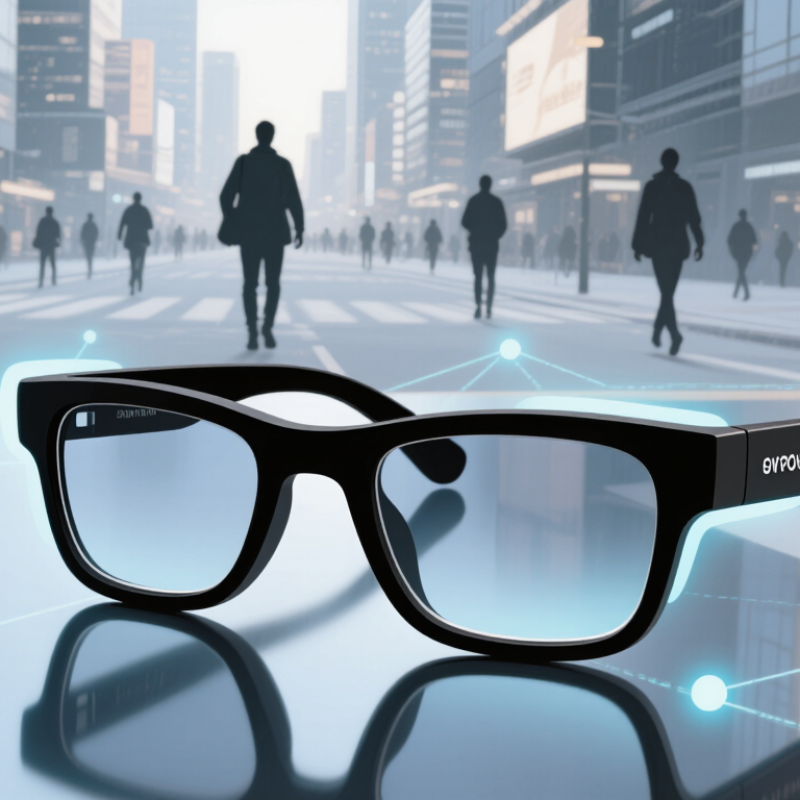
What Bluetooth Smart Glasses Are and How They Work
Why Are Bluetooth Smart Glasses Popular With Buyers?
Bluetooth smart glasses are eyewear with wireless electronics built into the frames. In most models, Bluetooth connects the glasses to a phone or computer over short-range radio. Small speakers near the temples direct sound toward the ears, while built-in microphones capture speech. No screen required. Some models add cameras or display features, but these are separate functions, not standard parts of every pair.
After pairing through a device’s settings, users can hear calls, navigation prompts, or music without inserting earbuds. Touch-sensitive arms or small buttons control playback, volume, and calls; controls vary by design. A rechargeable battery powers the wireless connection, speakers, and microphones, so frequent calls may mean more charging. The connection can stutter in crowded places or when the phone is too far away. Not always seamless.
Open-ear audio leaves the ear canal uncovered, which may help users notice surrounding sounds, but it does not guarantee awareness or safety. Sound can also leak, especially in quiet rooms. Microphone quality depends on placement and wind filtering; a breezy walk can make speech harder to understand. Check fit, charging method, device compatibility, and privacy indicators before buying. The word “smart” can suggest more than the glasses actually do. In practice, many pairs are ordinary frames with a few connected functions, and that may be enough—or not.
Key Features That Set Bluetooth Smart Glasses Apart
Bluetooth smart glasses combine familiar eyewear with calls, audio, and voice controls. Their open-ear speakers can deliver navigation prompts while users still hear nearby traffic or conversation. Tiny microphones support hands-free calls, while touch controls on the temple make pausing music simple. The frame matters, too: heavy arms can become uncomfortable during a long commute. Small details count.
The Bluetooth SIG’s 2024 Market Update projected 7.5 billion annual Bluetooth device shipments by 2028, reflecting the technology’s broad reach—not smart-glasses sales specifically. That distinction matters. Grand View Research valued the global smart-glasses market at about $1.93 billion in 2023 and forecast growth through 2030. These figures suggest momentum, but they do not guarantee a good fit for every buyer. Battery life, phone compatibility, sound leakage, and prescription-lens options deserve a close look. A useful feature can feel clumsy in practice. And voice controls may mishear speech in a busy street. Check the fit and controls before focusing on extra functions.
Why Are Bluetooth Smart Glasses Popular With Buyers?
Key Features That Set Bluetooth Smart Glasses Apart
Bluetooth smart glasses can bring hands-free audio, calls, and connected features into a wearable form. This chart compares standardized Bluetooth Low Energy physical-layer data rates: higher rates can support faster data transfer, while coded modes trade speed for improved robustness over a link. Actual performance depends on the device, connection, and environment; these figures are PHY rates, not guaranteed application throughput.
Everyday Uses Across Work, Travel, and Entertainment
Bluetooth smart glasses fit small moments when reaching for a phone feels inconvenient. At work, a wearer can take a call while keeping both hands near a keyboard or a toolbox. Open-ear audio also makes short voice notes and meeting prompts easier to hear without sealing off surrounding sounds. Convenience matters. Still, call quality can falter in a noisy café, and microphones may pick up wind outdoors.
Travel brings different uses: turn-by-turn audio on a walk, a quick call while carrying luggage, or a podcast during a delayed train. Grand View Research estimated the global smart-glasses market at 1.93 billion US dollars in 2024. That figure covers a broad product category, not Bluetooth models alone, so it should not be read as a direct measure of everyday use. Counterpoint Research reported global smart-glasses shipments rose 210% year over year in the first half of 2025. Rapid growth suggests rising buyer interest, but shipments do not prove every pair becomes a daily habit.
Entertainment is often simpler than the marketing suggests. A wearer can listen to music while cooking, or follow an audio guide without holding a phone. That can feel natural. Battery life, sound leakage, comfort, and privacy expectations still shape the experience. The details are easy to underestimate. A frame that feels light for ten minutes may feel tiring after a long commute, and voice controls may mishear a request in a crowded station.
Benefits That Appeal to Buyers
Bluetooth smart glasses appeal to buyers by making everyday tasks feel less interrupted. A tap can start a call, while open-ear audio keeps nearby sounds perceptible. On a walk, voice prompts can replace repeated phone checks. Small conveniences add up.
Grand View Research valued the global smart-glasses market at about US$1.93 billion in 2023 and projected a 27.3% compound annual growth rate from 2024 to 2030. That forecast signals commercial interest, though it does not prove every buyer wants Bluetooth features. The Bluetooth SIG’s 2024 Market Update projected 7.5 billion annual Bluetooth device shipments by 2028. This wider ecosystem matters: familiar wireless connections can make setup and daily pairing feel less daunting.
Comfort and discretion also shape appeal. Lightweight frames can suit a commute, desk call, or quick errand without placing earbuds in the ears. Helpful, not magical. Battery life, microphone clarity, fit, and privacy controls still deserve scrutiny before purchase. A frame that presses behind the ears after an hour may stay in a drawer. And hands-free convenience is not the same as hands-free attention; people still need to notice traffic, conversations, and their surroundings.
Factors Buyers Consider Before Purchasing
Bluetooth smart glasses attract buyers who want hands-free calls, audio, and quick access to phone functions without earbuds. Useful features matter only if the frames feel comfortable after an hour. Check bridge pressure, temple grip, and lens options in bright daylight. A shop fitting helps; online buyers should review return terms and compare the measurements with frames they already wear. Fit matters.
Tips: Try them with your usual phone before buying. Check call quality in a mildly noisy room, and confirm the controls are easy to reach. Test outdoors.
Battery life, charging time, and phone compatibility deserve close attention. Some models sound clear indoors but struggle beside traffic or in wind. Ask how long they last during calls, not just standby. Open-ear audio can feel convenient, though nearby people may hear it at higher volumes. Privacy matters. Also consider whether prescription lenses are supported and how much the complete setup costs. Product details can be incomplete, so verify key specifications with the seller or maker’s published support information. A tempting feature list is not a substitute for a comfortable fit and dependable everyday performance.