
Blog
What Is a Turf Brush Used For?
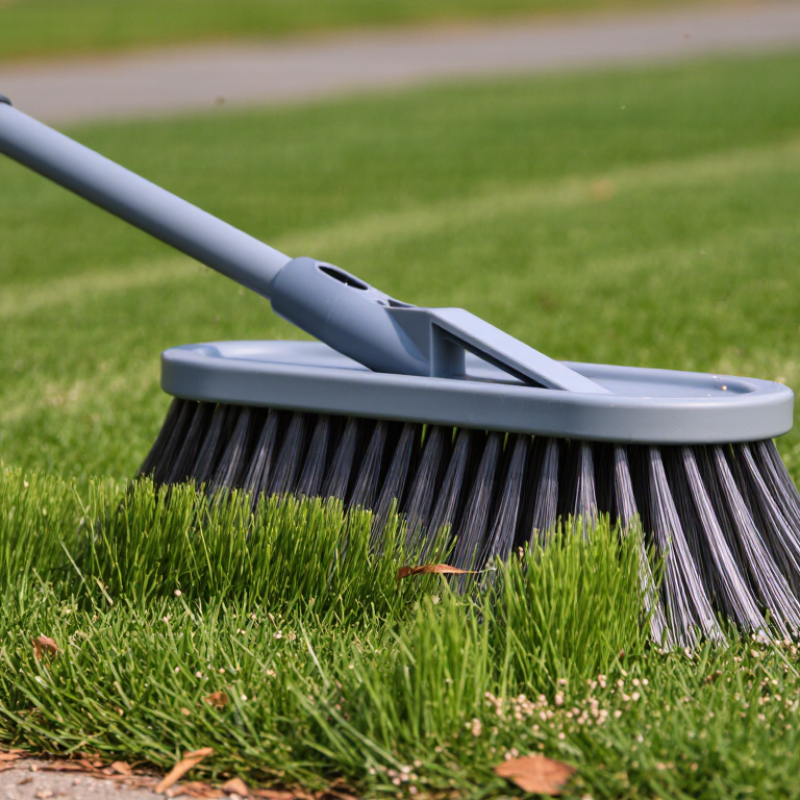
A Turf Brush is a practical tool for keeping artificial grass looking tidy and performing as intended. Its bristles lift flattened fibers, loosen leaves and small debris, and help spread infill more evenly across the surface. You may notice the difference after a busy weekend: footpaths look pressed down, and the grass blades lean in one direction. A careful brushing can help restore a more upright, consistent appearance. Small changes matter.
The right brush depends on the turf. A stiff or unsuitable brush may damage fibers, while a brush designed for synthetic grass is generally a safer choice. Check the turf manufacturer’s care instructions before using one, especially on newer installations. Brush in different directions where appropriate, and avoid forcing the tool across compacted debris or uneven areas. Slow, even strokes are usually more useful than extra pressure.
A Turf Brush can also support routine maintenance by making surface problems easier to spot. As you work, look for seams, worn patches, drainage issues, or infill that has shifted. Brushing will not repair damaged turf or replace proper cleaning, and it cannot correct every uneven area. That limitation is worth remembering. The results depend on the turf type, brush design, and how often the surface is used. A simple tool, but not a cure-all.
What a Turf Brush Is and How It Works
What Is a Turf Brush Used For?
What a Turf Brush Is and How It Works
A turf brush is a maintenance tool with stiff, usually synthetic bristles. Pulled or pushed across artificial grass, it lifts flattened fibers and helps redistribute loose infill. Picture blades bent beneath a chair leg: brushing works them upright again. This can improve the surface’s appearance and help prevent infill from collecting in uneven patches. It is useful, but it cannot fix worn backing or badly compacted infill. That limitation matters.
Brushing also supports more consistent play. FIFA’s Quality Programme for Football Turf assesses ball roll, with a specified range of 4–10 metres for qualifying surfaces. That benchmark shows how surface condition can affect ball movement; brushing alone does not guarantee compliance. Results depend on the turf system, infill depth, and brushing method. Follow the surface maker’s care instructions, and inspect high-traffic areas near goals and entrances.
Tips: Brush when the surface is dry, using overlapping passes in different directions. Keep bristles firm enough to lift the pile, but not so aggressive that they disturb the backing or scatter infill. Check a small section first. A little patience helps.
How Turf Brushes Restore Artificial Grass Fibers
A turf brush lifts flattened artificial grass fibers by moving them against their natural lay. This matters most in busy lanes, near goals, and beneath patio furniture, where repeated pressure leaves shiny, matted patches. Brush when the surface is dry, using steady passes rather than forceful scrubbing. The Synthetic Turf Council’s maintenance guidance recommends grooming to help keep fibers upright and infill evenly distributed. Small, regular passes are usually kinder to the pile than waiting until it looks badly crushed.
Upright fibers also help maintain a consistent playing surface, though brushing alone cannot restore worn backing or missing infill. FIFA’s Quality Programme Handbook of Requirements gives Quality Pro football turf target ranges of 0.6–1.0 metres for vertical ball rebound and 60–70% for shock absorption. Those are field-test requirements, not results a brush can guarantee. Still, uneven fibers and infill can affect how the surface feels underfoot. I check high-traffic areas from more than one angle; the change can be subtle. A brush may leave a few stubborn tufts behind. That is worth noticing, not scrubbing harder.
Common Cleaning and Maintenance Uses
A turf brush is a simple tool for cleaning and maintaining artificial grass. Its stiff, angled bristles loosen dry leaves, dust, and small bits of debris caught between the fibers. Brush in short, overlapping strokes, especially along walkways where flattened blades are easy to spot. It can also lift matted fibers after foot traffic and spread loose infill more evenly across a small area. For pet areas, remove solid waste first and clean the surface before brushing. Avoid force. Light strokes work best. Too much pressure may pull fibers or leave infill in uneven piles.
Regular brushing when the turf is dry helps keep debris from settling and makes worn spots easier to notice. After rinsing mud or sticky residue, let the turf dry before brushing; wet dirt can smear across nearby blades. Choose a brush designed for synthetic turf, since very rigid bristles may damage fibers or the backing. Work gently around seams and edges, where loose material often gathers. It is easy to overdo it. Brushing can lift flattened blades, but it will not repair damaged turf or correct poor drainage. Check the area as you work, and stop when the fibers stand up without shifting the infill.
Choosing a Brush for Different Turf Types
A turf brush should match the pile, yarn, and infill—not just the size of the area. For short-pile landscape turf, choose soft-to-medium synthetic bristles; they lift flattened fibers without dragging seams. Dense sports turf usually needs a firmer brush to stand yarn upright and redistribute infill. Longer, infilled turf benefits from a broad brush with moderate stiffness. Too stiff, and it can pull fibers or push infill unevenly. That trade-off is easy to miss.
FIFA’s Quality Programme criteria assess football turf using measures including ball roll, shock absorption, and vertical deformation. The Quality category’s ball-roll range is 4–10 metres, showing how surface consistency matters in play (FIFA Quality Programme Handbook). Brushing cannot guarantee those results, but a suitable brush can help maintain an even surface. For delicate, textured yarn, test a small patch first. Look for scuffing, exposed backing, or infill gathering in ridges. Replace worn bristles; damaged ones may scratch or snag fibers.
Tips: Brush with the pile, then cross-brush lightly only when needed. Use a softer brush around seams and edges. Stop if fibers fray. A single brush may not suit every turf zone, and that is worth checking before routine maintenance.
What Is a Turf Brush Used For? - Choosing a Brush for Different Turf Types
| Turf Type | Main Uses for Brushing | Suitable Brush | How to Brush | Care and Cautions |
|---|---|---|---|---|
| Short-pile artificial landscape turf | Remove loose leaves and surface debris, lift flattened fibers, and spread loose infill more evenly where applicable. | Soft-to-medium synthetic bristles; choose a brush approved for the turf surface. | Brush against the direction in which the fibers lie, using light, even strokes. | Use a leaf blower or hand rake for larger debris first. Avoid sharp metal tines that can damage the backing or fibers. |
| Tall-pile artificial landscape turf | Separate matted fibers and help restore a more upright appearance, especially in frequently walked areas. | Longer, flexible synthetic bristles or a turf grooming brush with adjustable pressure. | Work in small sections with gentle strokes, changing direction where needed to loosen flattened fibers. | Do not force a stiff brush through dense pile; excessive pressure may pull or distort the fibers. |
| Infilled synthetic sports turf | Help redistribute loose infill and groom the surface as part of routine field maintenance. | A purpose-made turf grooming brush or maintenance equipment specified for the field system. | Follow the field’s maintenance plan and brush in the recommended pattern to avoid uneven infill distribution. | Brush choice depends on the turf, infill, and backing. Check the surface supplier’s care instructions before using powered equipment. |
| Artificial putting green | Lift fibers and remove light debris while maintaining a consistent playing surface. | Soft, fine synthetic bristles designed for putting-green turf. | Use light pressure and short, controlled strokes; follow the preferred grain direction for the surface. | Avoid aggressive brushing, hard bristles, and heavy equipment unless the surface care guidance allows them. |
| Pet-friendly artificial turf | Loosen dried debris and help clear material from the pile after routine cleaning. | Flexible, non-metal synthetic bristles that are easy to rinse clean. | Remove solid debris first, then brush gently after rinsing and allowing excess water to drain. | Pair brushing with the turf’s recommended cleaning routine. Do not use a brush that can snag the fibers or backing. |
| Natural grass lawn | Move light clippings or loose surface debris and groom grass in limited situations. | A soft lawn broom or grass brush suited to the lawn and the task. | Brush lightly when the grass is dry, such as after mowing, rather than repeatedly working the same area. | A turf brush is not a substitute for mowing, aeration, or thatch management. Avoid forceful brushing on wet or stressed grass. |
General guidance: A turf brush can lift flattened fibers, move light debris, and help distribute loose infill on compatible synthetic surfaces. Select bristle stiffness and brush type for the specific turf, and follow the surface maintenance instructions.
Brushing Techniques and Routine Care
A turf brush helps lift flattened synthetic grass fibers and spread loose infill more evenly. Brush against the direction the fibers naturally lean, using long, overlapping strokes. On a small lawn, work in sections so you can see where the pile still looks pressed down. Use steady pressure, not force. Go gently. Stiff metal bristles can damage turf, so choose a brush intended for synthetic grass.
Tips: Remove leaves and twigs before brushing. Check a hidden corner first if you are unsure how firm the bristles feel.
For routine care, brush high-traffic areas when the fibers start to look matted, and vary your brushing direction to avoid creating a new pattern. A weekly pass may suit a busy play area, while a lightly used lawn may need attention less often. After brushing, look for exposed backing, loose seams, or infill collecting in one spot; these can signal that the area needs closer care. A patch may remain uneven after a single pass. That is a useful reminder to adjust pressure and direction rather than scrub harder. Brush only when the surface is dry enough to work comfortably.