
Blog
What Is a Septic Tank Cleaner and How Does It Work?
A septic tank cleaner is often misunderstood. Some people imagine a bottled product that dissolves every problem overnight. That expectation is risky. In practice, the term may describe a professional pumping service, a cleaning treatment, or a maintenance product. Each option works differently.
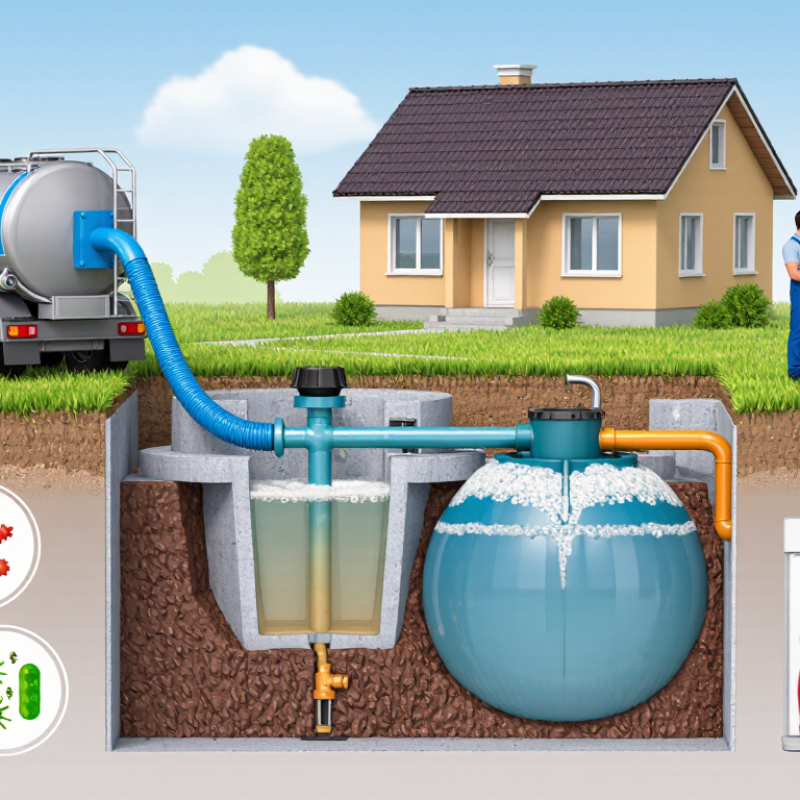
Sara Heger, Ph.D., a respected onsite wastewater educator, explains, “A septic system is a living treatment system, not a buried garbage can.” This idea shapes the entire discussion. A professional septic tank cleaner removes accumulated sludge and floating scum with vacuum equipment. Technicians may also inspect inlet pipes, outlet baffles, filters, and the tank’s structural condition. The process can reveal warning signs before sewage reaches the yard.
Products marketed as septic cleaners usually work through bacteria, enzymes, or chemical action. Their results vary. Some may support routine maintenance, but they cannot repair a collapsed pipe or replace overdue pumping. That part is easy to forget.
A realistic explanation must include limits. Tank cleaning does not make a system maintenance-free. Household habits still matter. Flushable wipes, grease, harsh chemicals, and excessive water can create trouble. Even careful owners may face unexpected failures. Soil, tank age, groundwater, and daily wastewater volume all influence performance.
This guide explores what a septic tank cleaner actually does, how the process works, and when professional help becomes necessary. It also separates useful maintenance from hopeful marketing. The goal is practical understanding, not a perfect promise.
Septic Tank Cleaner Defined: Pumping Services, Additives, and Their Roles
A septic tank cleaner is not always a liquid product. In many homes, it means a professional pumping service. Technicians open the access cover, measure sludge and scum, then remove accumulated waste with vacuum equipment. They may also inspect the inlet, outlet, baffles, and tank walls. This work restores usable capacity and helps prevent sewage backups. It does not repair damaged pipes or replace a failed drain field.
Additives are different. These products may contain bacteria or enzymes intended to support natural decomposition. Their results depend on temperature, waste levels, water use, and the tank’s existing microbial balance. They cannot dissolve heavy sludge or remove compacted grease reliably. Some claims sound more certain than field conditions allow. A cleaner marketed as a quick fix may encourage delayed pumping, which is a serious mistake.
Regular pumping remains the most dependable maintenance step. A qualified technician can recommend an interval after reviewing household size, tank capacity, and usage patterns. Keep records of service dates and note slow drains, odors, or unusually wet ground near the drain field. Avoid flushing wipes, solvents, oils, or harsh chemicals. Small habits matter. Additives may have a limited supporting role, but they should never replace inspection and pumping. Even experienced homeowners can misjudge tank condition without opening and measuring it.
What Is a Septic Tank Cleaner and How Does It Work? - Septic Tank Cleaner Defined: Pumping Services, Additives, and Their Roles
| Topic | What It Means | How It Works | Recommended Practice | Important Limitation or Safety Note |
|---|---|---|---|---|
| Septic Tank Cleaner | A general term that may refer to a professional septic tank pumping service or a product marketed as a septic additive. | A professional service physically removes accumulated sludge and scum. An additive is intended to introduce or support microorganisms in the tank. | Identify whether the term refers to pumping, inspection, drain-field maintenance, or an additive before choosing a solution. | Additives cannot remove a full tank, repair damaged components, or restore a failed drain field. |
| Professional Pumping | A service in which a trained technician removes liquids, sludge, and floating scum from the septic tank with vacuum equipment. | The tank is accessed through its service openings, waste layers are removed, and the tank and components can be inspected. | Have the tank pumped when the accumulated solids reach the level specified by local guidance or a qualified professional; many systems require service approximately every 3–5 years, but actual timing varies. | Pumping intervals depend on tank size, household size, wastewater volume, and the amount of solids entering the system. |
| Sludge Removal | Removal of heavy solids that settle at the bottom of the tank. | Vacuum equipment extracts the dense layer that biological activity does not eliminate. | Monitor sludge accumulation during inspections and pump before solids can flow into the outlet and drain field. | Excess sludge can reduce treatment capacity and increase the risk of drain-field clogging. |
| Scum Removal | Removal of grease, oils, fats, and other floating material at the top of the tank. | The service removes the floating layer along with the tank contents. | Reduce grease and oil entering household drains and dispose of cooking fats separately. | Scum accumulation can interfere with outlet flow and may contribute to system blockage. |
| Biological Additives | Products containing bacteria, enzymes, or other microorganisms intended to supplement natural biological activity. | They are marketed to help break down organic matter, but a normally used septic system already receives microorganisms from wastewater. | Use only if recommended by a qualified local professional and if the product complies with local regulations. | Routine additives are generally not a substitute for pumping, inspection, water conservation, or proper waste disposal. |
| Chemical Additives | Products containing solvents, acids, alkalis, oxidizers, or other chemicals promoted for septic cleaning. | These chemicals may attempt to dissolve or alter organic material, grease, or deposits. | Avoid using chemical tank cleaners unless specifically approved by local authorities and a septic professional. | Some chemicals can harm beneficial organisms, damage tank components, contaminate groundwater, or move solids into the drain field. |
| Inspection | A check of the tank, inlet and outlet pipes, baffles or tees, covers, liquid levels, and signs of leakage or damage. | A technician evaluates whether wastewater is flowing correctly and whether solids are approaching the outlet. | Schedule an inspection with pumping and before buying or selling a property where appropriate. | An inspection may reveal structural or hydraulic problems that additives cannot correct. |
| Effluent Filter | A filter installed near the tank outlet to help prevent suspended solids from leaving the tank. | The filter catches particles before effluent enters the drain field and must be cleaned periodically. | Have the filter checked and cleaned during routine service, following the system design and local requirements. | A clogged filter can cause wastewater to back up into the building even when the tank itself is not full. |
| Drain Field Protection | Practices that help the soil absorption area accept and treat liquid effluent. | The drain field distributes pretreated wastewater through soil, where filtration and natural biological processes occur. | Keep vehicles, buildings, pools, and heavy equipment off the drain field; direct roof and surface water away from it. | A drain field that is saturated, compacted, or clogged may require professional evaluation or repair. |
| Water Conservation | Reducing unnecessary wastewater entering the septic system. | Lower flow gives the tank more time for solids to settle and reduces hydraulic stress on the drain field. | Repair leaks, spread laundry loads across the week, use efficient fixtures, and avoid sending large volumes of water at once. | Water conservation supports system performance but does not remove accumulated sludge or scum. |
| Safe Items to Flush | Human waste and toilet paper are generally the only materials intended for septic-system toilets. | These materials enter the tank, where solids settle and wastewater receives biological treatment before discharge. | Flush only human waste and toilet paper. | Wipes, paper towels, feminine hygiene products, diapers, dental floss, and cat litter can cause blockages even when labeled flushable. |
| Warning Signs | Symptoms that may indicate a full tank, blockage, damaged component, or drain-field problem. | Slow drains, sewage odors, gurgling plumbing, wet ground, unusually green grass, or sewage backups can reflect system stress. | Stop adding unnecessary wastewater and contact a qualified septic professional for diagnosis. | Do not rely on additives to resolve sewage backups or wastewater surfacing above the drain field. |
| Safety Requirements | Precautions for anyone accessing or servicing a septic tank. | Septic tanks can contain toxic gases, infectious organisms, and unstable covers or walls. | Keep covers secured, keep children and animals away, and allow only trained professionals to open or enter the tank. | Never enter a septic tank; toxic gases and oxygen deficiency can cause sudden death. |