Top Mechanical Bolt Types for Global Buyers to Consider?
Mechanical Bolts are crucial components in construction, automotive, and machinery industries. They provide the strength and reliability needed for various applications. Global buyers face numerous options when selecting the right mechanical bolt type. It’s essential to understand each type's specific characteristics and suitability.
Many buyers overlook the importance of material choices in mechanical bolts. Factors like tensile strength and corrosion resistance significantly impact their performance. For instance, stainless steel bolts offer excellent corrosion resistance but may not handle high loads as effectively as carbon steel bolts. This oversight can lead to failures, costing businesses time and money.
Moreover, ensuring compatibility with other components is vital. Using the wrong type can compromise structural integrity. Buyers should also consider certifications and standards when purchasing mechanical bolts. Trustworthy suppliers provide high-quality products that meet industry regulations. While the variety of options can be overwhelming, informed decisions contribute to project success.
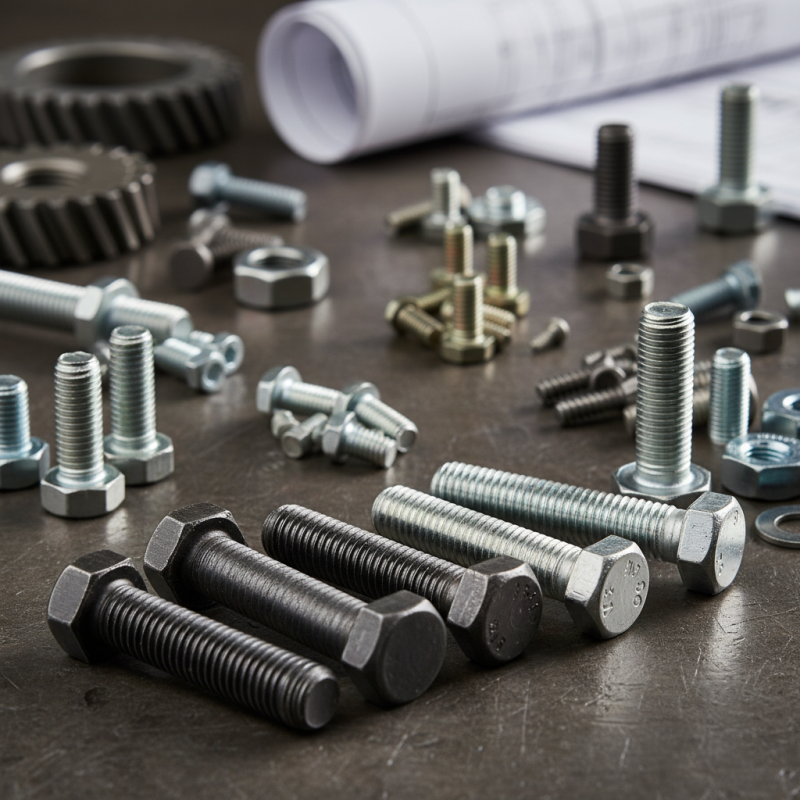
Understanding Mechanical Bolts: An Overview for Buyers
Mechanical bolts are essential fasteners in various industries, ensuring the integrity of structures and machinery. According to the Global Fasteners Market Report, the industry is expected to reach $112 billion by 2025. This highlights the importance of understanding different types of mechanical bolts available to buyers today.
Buyers should consider structural bolts, tension control bolts, and hex bolts, among others. Each type serves a specific purpose in construction or manufacturing applications. For instance, structural bolts are crucial for steel connections and are designed to withstand significant loads. In contrast, tension control bolts offer better reliability in high-stress environments, reducing the risk of loosening over time. Some reports indicate that improper bolt selection can lead to failures, emphasizing the need for knowledgeable procurement.
It's worth noting that not all suppliers provide detailed specifications. Some may overlook essential characteristics like tensile strength or corrosion resistance. Buyers often report confusion due to industry jargon. Familiarizing oneself with standards, such as ASTM or ISO, can aid in making informed decisions. With the right knowledge and resources, buyers can navigate the complexities in selecting mechanical bolts effectively.
Key Types of Mechanical Bolts and Their Applications
When selecting mechanical bolts, a few key types stand out due to their versatility and application across various industries. Hex bolts are widely used in construction and machinery assembly. Their six-sided heads allow for secure tightening with a wrench, providing strong clamping force. According to a 2022 report from the International Fastener Institute, hex bolts account for approximately 30% of the mechanical fastener market due to their reliability.
Another vital type is the socket head cap screw, popular for its ease of installation. The internal hex design allows for higher torque and is commonly found in automotive and machinery manufacturing. A 2021 study by the Fastener Quality Act found that socket head cap screws offer superior resistance to shearing forces, making them ideal for high-stress applications. These screws often face challenges with stripping, highlighting the need for proper installation and torque specifications.
Finally, the carriage bolt is essential for woodworking and furniture assembly. Its rounded head prevents it from turning when installed, allowing for flush finishes. Despite its advantages, the reliance on carriage bolts can lead to structural weaknesses if not used correctly, particularly in load-bearing scenarios. It’s crucial to consider application specifications and material compatibility to ensure long-term performance and safety.
Top Mechanical Bolt Types and Their Applications
Factors to Consider When Choosing Mechanical Bolts
When selecting mechanical bolts, consider multiple factors to ensure optimal performance. The type of material is vital, as it affects strength and durability. Common materials include steel, stainless steel, and titanium. Each material serves different purposes based on environmental factors and load requirements. For example, stainless steel may be necessary in corrosive environments.
Size and thread specifications are essential as well. The diameter, length, and thread pitch influence load capacity. Using the wrong size can lead to structural failure or joint instability. It’s vital to consult engineering guidelines when determining specifications.
**Tips:** Always check load ratings and ensure compatibility with your project requirements. Don't overlook the importance of coatings or treatments. These can enhance corrosion resistance and overall longevity of the bolt. Consider testing your chosen bolts under various conditions. This can reveal weaknesses that may not be apparent during initial assessments.
Additionally, be prepared for limited options. Availability can vary based on location and suppliers. If a specific bolt type isn't available, assess if alternatives meet your needs without compromising safety or performance.
Global Standards and Specifications for Mechanical Bolts
Understanding global standards for mechanical bolts is essential for buyers. Different regions have varying specifications that manufacturers must meet. For instance, the ISO 8880 standard outlines the requirements for high-strength bolts, common in construction. In contrast, ANSI standards address various bolt grades, impacting their performance and durability.
When selecting bolts, consider the intended application. Construction projects often require specific mechanical properties. According to industry reports, adhering to specified grades significantly reduces the risk of failure. This can save costs in repairs and prevent accidents. It’s crucial to verify that bolts meet regional standards like ASTM in the US or DIN in Europe.
Tip: Always check compliance with local standards. Not all bolts are created equal. Some may appear similar but lack necessary strength or corrosion resistance. Additionally, regular inspections of used bolts can help identify wear issues early. Ultimately, being informed about standards aids both safety and efficiency in your projects.
Best Practices for Sourcing and Quality Assurance in Bolt Procurement
When sourcing mechanical bolts, quality assurance is crucial. Each bolt type serves unique applications, making it essential to identify specifications. According to industry reports, nearly 70% of bolting failures stem from improper sourcing and quality control. Ensuring the right materials and finishes can minimize these failures significantly.
Establishing strong communication channels with suppliers is vital. Look for manufacturers that provide robust documentation on their products. This includes test reports, material certifications, and compliance with industry standards. A study revealed that companies with comprehensive sourcing practices saw a 30% reduction in defects.
Regular audits can help maintain quality. Engaging in audits ensures that suppliers adhere to agreed-upon standards. This proactive approach in bolt procurement is often overlooked. Feedback loops, reporting failures, and addressing quality issues create a culture of continuous improvement. Such practices enhance reliability and performance, fostering a more competent supply chain.