What Are the Top Drill Accessories for 2026?
Choosing the right Drill Accessories can change a slow, frustrating job into a controlled and efficient one. In 2026, buyers face more options than ever, including precision bits, hole saws, sanding attachments, impact-rated sockets, and smart storage systems. The best choice depends on the material, drill type, working speed, and expected load. Fit matters.
This guide examines leading accessories through practical use, manufacturer specifications, and everyday workshop demands. A masonry bit should handle dense brick without excessive vibration. A wood spade bit should create clean holes without tearing the surrounding grain. For metal, cobalt or carbide options may provide better heat resistance, but only when used with suitable pressure and lubrication. Small details count. Shank design, coating quality, bit geometry, and case organization can affect both accuracy and service life.
I have learned that expensive accessories do not automatically deliver better results. A premium bit can still fail when the drill setting, speed, or material is wrong. That is an important limitation. Some recommendations may also change as new products reach the market. Therefore, this overview compares performance, durability, safety features, and value rather than repeating promotional claims. It also considers feedback from experienced tradespeople and clear product documentation. Whether you are assembling a home toolkit or upgrading a professional workshop, the goal is practical guidance. You should finish with a clearer idea of which accessories deserve space in your case, and which ones may remain unused.
Drill Accessories: Purpose, Types, and Selection Criteria
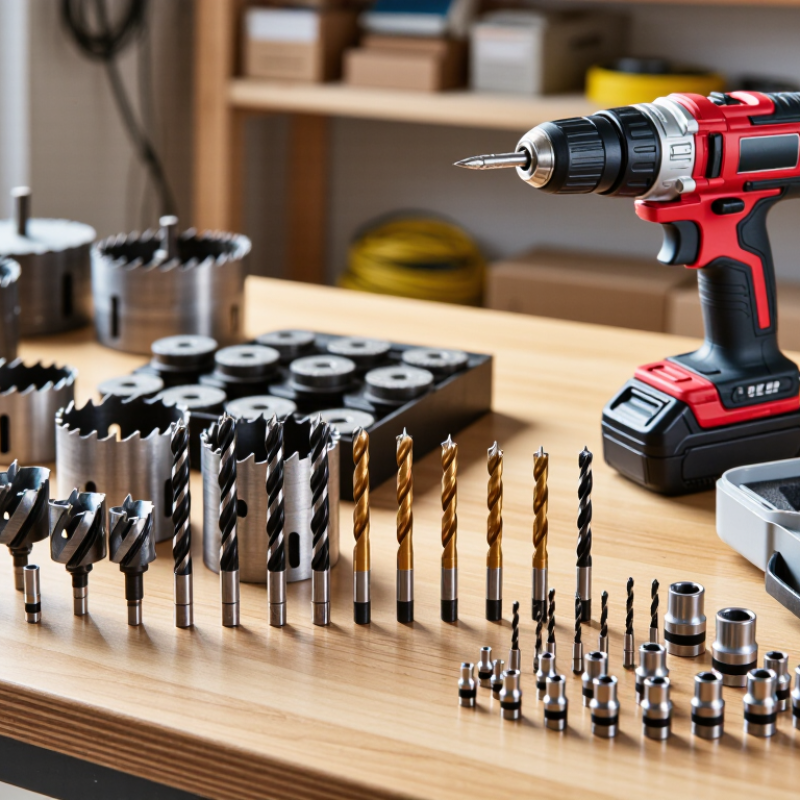
In 2026, the best drill accessories are not necessarily the most expensive. Their value depends on purpose, fit, and control. A masonry bit needs a different cutting edge than a wood brad-point bit. Metal drilling demands heat resistance and steady pressure. Driver bits transfer torque to screws, while hole saws create clean openings for pipes and cables. Each accessory solves a specific problem. That distinction matters.
A practical kit may include twist bits, masonry bits, driver bits, countersinks, hole saws, extension shafts, and sanding attachments. Choose accessories by material, hole diameter, depth, and drill speed. Check the shank shape and size before buying. A poorly matched shank can wobble, slip, or damage the chuck. I also inspect cutting edges under bright light. Small chips often predict rough holes and extra heat. Do not rely on packaging claims alone. Test one accessory on scrap material first. It saves time, though I sometimes skip this step when rushing.
Selection should include durability, safety, and replacement cost. Carbide-tipped options suit hard masonry, while high-speed steel handles many general metal tasks. Coatings may improve wear, but they cannot fix poor technique. Use the correct speed, secure the workpiece, and clear dust regularly. For long drilling, an extension or depth stop improves alignment. A compact right-angle adapter helps in tight spaces, but it can reduce control under heavy torque. I have found that comfort matters more than expected. Still, accessory design is only part of the result; operator judgment remains decisive.
Essential Drill Bits for Wood, Metal, Masonry, and Multi-Material Use
What Are the Top Drill Accessories for 2026?
Essential drill bits for wood, metal, masonry, and multi-material use
Choosing drill accessories in 2026 means matching the bit to the material, speed, and required finish. Grand View Research valued the global power tools market at approximately $38 billion in 2023, with continued growth expected through 2030. That expansion reflects wider cordless use and more specialized accessories. However, a larger market does not guarantee better results.
Wood demands sharp brad-point bits for clean entry holes and reduced wandering. For wide openings, hole saws or Forstner bits create flatter bottoms and cleaner edges. I still test on scrap wood first. Grain direction can surprise even experienced users. For metal, high-speed steel bits suit general drilling, while cobalt alloys handle harder steel and repeated heat. Cutting fluid helps, but excessive pressure can dull the edge quickly. The U.S. Bureau of Labor Statistics reports that hand and power tool injuries remain a workplace concern, so stable clamping and eye protection are practical necessities.
Masonry needs carbide-tipped bits, especially for brick, block, and concrete. Rotary hammer bits work better in dense concrete than standard hammer-drill accessories. Multi-material bits are useful for tile, plastic, thin metal, and wood, but they are compromises. They may drill many surfaces, yet rarely finish each one perfectly. A 2024 report from MarketsandMarkets identifies construction growth and renovation activity as major drivers for drilling equipment demand. That trend supports versatile kits, though users should inspect tip wear often. No bit lasts forever. Replace it before heat, vibration, or slipping turns a simple hole into a damaged surface.
Top Drill Accessories for 2026
Representative starting speeds for a 6 mm drill accessory across common materials
Wood brad-point bits typically run fastest, while HSS twist bits for mild steel require lower speeds to control heat and wear. Carbide masonry bits are generally used at moderate rotary speeds, and multi-material carbide-tipped bits provide a balanced setting for wood, plastic, tile, and light masonry. Actual speed should be adjusted for bit diameter, material hardness, drilling pressure, and the use of impact mode.
Specialized Attachments for Cutting, Sanding, Mixing, and Fastening
A well-chosen drill attachment can turn one familiar tool into a compact workshop system. In my experience, cutting attachments are most useful when matched to the material. Hole saws create clean openings in wood and thin metal, while rotary cutters handle smaller shaping tasks. Use steady pressure and moderate speed. Excess force can overheat the bit or damage the surface.
Sanding attachments bring more control to curved edges and narrow spaces. A sanding drum smooths wooden contours, while a small abrasive disc removes rough paint or sharp edges. Keep the drill moving. Staying in one spot can leave deep grooves. I once used an aggressive abrasive on soft pine and removed too much material. That mistake still influences my grit selection.
Mixing paddles are valuable for paint, grout, and other approved compounds. Choose a paddle size that matches the container, and start at low speed to reduce splashing. For fastening, magnetic bit holders, socket adapters, and right-angle attachments improve access in tight corners. A clutch setting helps prevent stripped screws. It is not foolproof. Check the fastener head, material hardness, and available torque before working. Inspect attachments for bent shafts, worn edges, or loose connections, then secure the workpiece before drilling.