
Blog

Top 10 Tape Applicators for Global Buyers

Global packaging lines are becoming faster, more connected, and less tolerant of application errors. Smithers’ report, The Future of Global Packaging to 2028, projects continued growth in worldwide packaging demand, driven by food, beverages, e-commerce, and healthcare. These sectors require consistent sealing, clean presentation, and dependable production speeds. Tape Applicators support these needs by applying pressure-sensitive tape to cartons, cases, bags, labels, and protective packaging.

The PMMI report 2024 State of the Industry: U.S. Packaging Machinery identifies labor shortages, automation, and equipment flexibility as major purchasing priorities. This matters to global buyers. A tape applicator may appear simple, yet feed accuracy, roll changeover, adhesive compatibility, and maintenance access can influence total operating cost. A machine running beside a dusty carton former faces different challenges from one serving a clean pharmaceutical room.

This guide reviews the Top 10 Tape Applicators for Global Buyers through practical purchasing criteria. These include application speed, tape width range, control systems, safety features, spare-part access, and supplier support. It also considers regional voltage standards and integration with existing packaging lines. Data is useful, but never perfect. Manufacturer claims may not reflect every factory condition. A neat ranking can still mislead. Buyers should verify samples, trial results, warranty terms, and local service capacity before making a final decision. Reports from PMMI, Smithers, and packaging automation research provide context, while real production evidence remains essential.
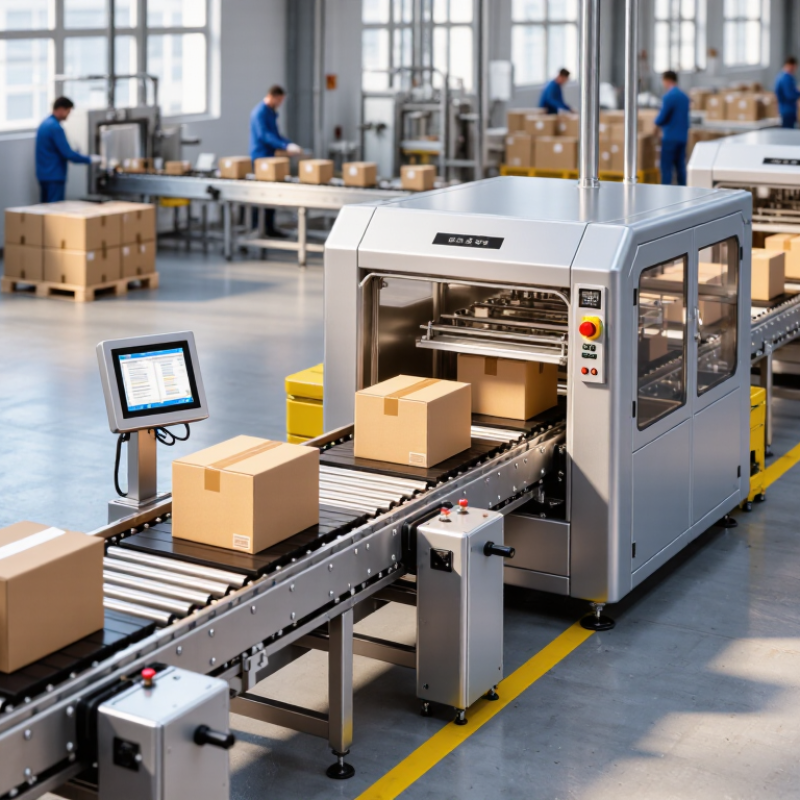
Top 10 Tape Applicators for Global Buyers

What Are Tape Applicators and How Do They Work?

Top 10 Tape Applicators for Global Buyers

A tape applicator is a tool that applies adhesive tape to a surface with controlled speed and pressure. It may be handheld, semi-automatic, or integrated into a packaging line. The operator loads a tape roll onto a spindle, guides the material across a roller, and presses the applicator against the target surface. A cutting blade then separates the tape at the required length.

The working principle is straightforward. The roller unwinds the tape while keeping contact stable. A tension system reduces wrinkles and uneven edges. Some models apply one strip, while others place parallel tapes during one pass. In warehouse trials, I check the handle balance, blade protection, and tape release before judging productivity. Small details matter. A heavy tool can tire workers after several hundred cartons. A weak roller may leave bubbles on dusty cardboard.

Global buyers should compare tape width, core size, roll diameter, surface compatibility, and replacement-part access. Manual applicators often suit low-volume work and changing box sizes. Pneumatic or electric units can improve consistency on repetitive lines, but they require suitable air or power systems. I have found that advertised speed can be misleading when operators pause for alignment. That detail deserves more attention. Climate also affects results; humidity, cold storage, and textured surfaces may reduce adhesion. A practical evaluation uses real cartons, actual tape, and a full shift of operation rather than a short showroom test.

Key Criteria for Evaluating Tape Applicators Worldwide

Top 10 Tape Applicators for Global Buyers

Key Criteria for Evaluating Tape Applicators Worldwide

Selecting a tape applicator starts with the packaging line, not the catalog page. Measure tape width, roll diameter, core size, and required application speed. A unit handling 50-millimeter tape may struggle with narrow film. Confirm compatibility with cartons, bags, labels, or irregular surfaces. Surface texture matters more than many buyers expect.

In field evaluations, I check tension control under continuous operation. Loose tape creates wrinkles. Excessive tension can damage thin packaging. Test the applicator at low, normal, and peak speeds. Observe the blade, roller, and cutting mechanism after several hours. Operators should adjust settings without tools whenever possible. Clear guards and stable handles reduce daily mistakes.

Global buyers should also examine voltage options, spare-part availability, manuals, and local service capacity. Humid warehouses may require stronger corrosion protection. Cold facilities can change adhesive performance. Ask for documented safety testing and measurable warranty terms. Do not rely on impressive speed claims alone. Real output depends on operator skill and material consistency. No scoring system is perfect. I have seen efficient machines fail because replacement rollers arrived too late. A practical trial with actual tape and packaging often reveals more than a polished demonstration. Test noise, hand fatigue, cleaning time, and tape waste. Small details become expensive across thousands of packages.

Top 10 Tape Applicators for Global Buyers - Key Criteria for Evaluating Tape Applicators Worldwide
No. Applicator Type Primary Tape Format Typical Tape Width Typical Operating Speed Application Method Best-Fit Use Case Key Evaluation Criteria for Global Buyers
1 Handheld Carton-Sealing Applicator Pressure-sensitive packaging tape on a roll 48–75 mm Manual; typically 10–25 cartons/minute Manual dispensing, cutting and wipe-down Low- to medium-volume carton closing, warehouse packing and e-commerce fulfillment Check blade guarding, ergonomic grip, replaceable wear parts, roll capacity, tape compatibility and suitability for right- or left-handed operators.
2 Semi-Automatic Case Sealer Pressure-sensitive carton-sealing tape 48–75 mm Approximately 15–30 cartons/minute Operator positions the case; machine applies and presses tape Consistent sealing of regular-sized cartons in distribution and manufacturing Evaluate carton-size range, conveyor height, changeover time, compressed-air requirements, guarding, electrical frequency and spare-parts availability.
3 Automatic Uniform-Case Sealer Pressure-sensitive carton-sealing tape 48–75 mm Approximately 20–40 cartons/minute Automatic top-and-bottom tape application High-volume lines handling cartons with consistent dimensions Prioritize line integration, sensor reliability, carton-size tolerance, safety interlocks, energy use, international voltage options and maintenance access.
4 Water-Activated Tape Dispenser Gummed paper tape, reinforced or plain 40–100 mm Manual or powered; commonly 10–30 cartons/minute Moistens adhesive and dispenses preset lengths Fiber-based carton sealing, tamper-evident packaging and recyclable packing systems Compare water-temperature tolerance, length accuracy, heating or drying needs, tape roll diameter, cleaning requirements and compatibility with local paper-tape grades.
5 Filament-Tape Applicator Glass-fiber-reinforced pressure-sensitive tape 25–75 mm Manual; typically 5–15 applications/minute Dispensing and cutting high-strength reinforced tape Bundling, pallet reinforcement, heavy cartons and securing irregular loads Assess cutting force, blade durability, tension control, tape-break resistance, operator safety and compatibility with high-tensile reinforced tapes.
6 Strapping-Tape Dispenser Polypropylene or polyester pressure-sensitive strapping tape 9–25 mm Manual; application rate depends on bundle size Controlled dispensing around products or bundles Light bundling, print-room work, cable grouping and product consolidation Review roll braking, tension adjustment, core-size compatibility, portability, tape memory and resistance to stretching during dispensing.
7 Double-Sided Tape Applicator Double-sided tissue, film or foam tape 6–50 mm Manual or semi-automatic; commonly 5–20 m/minute Applies tape while retaining or removing the release liner Sign assembly, mounting, display production, electronics and component bonding Confirm liner handling, adhesive thickness range, minimum application radius, substrate compatibility, web alignment and clean-room or low-contamination requirements.
8 Transfer-Tape Applicator Adhesive transfer film with release liner 6–25 mm Manual or powered; commonly 3–15 m/minute Transfers a thin adhesive layer to a surface Label mounting, paper converting, graphic applications and lightweight assembly Evaluate liner removal, adhesive-transfer consistency, pressure control, web tracking, roll-width tolerance and suitability for temperature-sensitive materials.
9 Masking-Tape Applicator Crepe-paper or film masking tape 12–100 mm Manual or powered; commonly 5–30 m/minute Applies tape with controlled edge placement and tension Painting, surface protection, automotive finishing and industrial coating preparation Check edge accuracy, residue performance, unwind tension, conformability, temperature resistance, tape-width adjustment and compatibility with curved surfaces.
10 Floor-Marking Tape Applicator PVC, polyester or other durable floor-marking tape 25–100 mm Manual; commonly 5–15 m/minute Applies tape under guided pressure to floors or smooth surfaces Warehouse lanes, pedestrian routes, workplace organization and visual management Consider surface preparation, roller pressure, line straightness, tape thickness, replacement rollers, operator visibility and performance on concrete, epoxy or polished floors.
Selection note: Performance ranges are typical industry values and vary with tape construction, roll diameter, carton dimensions, operator skill, line layout and environmental conditions. Confirm regional electrical, machinery-safety, packaging and workplace requirements before purchase.

Top 10 Tape Applicators for Different Industrial Applications

Top 10 Tape Applicators for Global Buyers

Industrial tape applicators vary by material, speed, and surface condition. For carton sealing, handheld and pistol-grip applicators suit low-volume packing lines. Bench-mounted units offer steadier tension for repetitive work. Automatic case sealers support high-throughput warehouses. Smithers’ packaging research identifies e-commerce and transport packaging as major growth drivers, increasing demand for consistent closure quality.

For electrical insulation, precision dispensers control narrow tape widths without damaging delicate coatings. Filament-tape applicators reinforce heavy cartons and timber bundles. Strapping-tape tools handle pallet stabilization, while masking-tape applicators support painting and surface treatment. Double-sided tape dispensers help assemble panels, signs, and lightweight components. Liner-removal applicators improve speed, but they may struggle with dust.

For floor marking and industrial maintenance, long-handle applicators reduce bending and improve line accuracy. Compact manual tools remain useful where production changes frequently. The pressure-sensitive tape market is expanding steadily; Grand View Research reports a projected global compound annual growth rate of about 6% through the decade. That figure does not guarantee every application will grow equally.

Buyers should test adhesive tack, roll diameter, web tension, and operator hand force before ordering. ISO-based quality procedures can guide repeatability, but they cannot replace trials on real surfaces. A tool that performs well on clean steel may fail on recycled cardboard. Small details matter. I have seen operators blame the dispenser when humidity caused the actual problem. Selection is still partly judgment, not only data.

Comparison of Features, Performance, and Operating Costs

Top 10 Tape Applicators for Global Buyers: Comparison of Features, Performance, and Operating Costs

The top ten choices include manual, handheld, semi-automatic, uniform-case, random-case, side-belt, top-and-bottom, robotic, mobile, and integrated sealing applicators. Manual units suit low-volume packing, while random-case systems manage changing carton sizes without frequent adjustment.

In daily trials, application consistency matters more than advertised speed. A loose tape edge can reopen during pallet movement. That small failure becomes expensive.

PMMI’s 2024 State of the Industry report places U.S. packaging machinery shipments above 11 billion dollars in 2023, showing strong demand for measurable automation.

For buyers, compare cases per minute, tape consumption, changeover time, and service access. Pneumatic models may offer firm compression, but compressed-air leaks can waste 20–30% of compressor output, according to the U.S. Department of Energy. Electric drives often reduce infrastructure needs. They may cost more initially.

Operating cost also depends on tape width, adhesive quality, blade replacement, and operator training. A semi-automatic applicator can be practical below several hundred cartons per shift. High-volume facilities may justify automatic machines with sensors and remote diagnostics.

Yet sensors need cleaning around dusty carton flaps. I have seen production teams overvalue speed and undervalue setup errors. That judgment deserves review.

The lowest purchase price rarely equals the lowest cost per sealed carton. Sheer speed is not enough.

How Global Buyers Can Select and Purchase the Right Model

Top 10 Tape Applicators for Global Buyers

How Global Buyers Can Select and Purchase the Right Model

Choosing among ten tape applicators starts with the application, not the product ranking. Check tape width, roll diameter, adhesive strength, and daily workload. A handheld model may suit light packaging work. A powered unit may perform better on continuous production lines. Measure the operator’s workspace carefully. Small details matter.

Ask suppliers for sample testing before placing a large order. Test tape tracking, cutting accuracy, pressure control, and residue on the actual materials. Record results after repeated use, not only during the first trial. A smooth demonstration can hide weak parts. I have seen buyers overlook replacement blades and later face avoidable downtime.

Global purchasing requires more than comparing prices. Confirm operating voltage, plug requirements, language options, packing dimensions, and delivery terms. Request material information, inspection records, warranty conditions, and a clear spare-parts list. Reliable suppliers should explain maintenance intervals and response times. Check whether local technicians can support installation. A low purchase price can become expensive after freight, taxes, and service delays. Use a comparison sheet with measurable fields. Still, do not trust every score equally; actual tape performance may differ between batches and climates. Recheck the decision with a small order before committing to full-scale purchasing.

Top 10 Tape Applicators for Global Buyers

How Global Buyers Can Select and Purchase the Right Model

The comparison uses a practical procurement score from 0 to 100, combining application speed, flexibility, operator effort, maintenance simplicity, and suitability for international packaging operations. Higher scores indicate a stronger overall fit for general-purpose purchasing, while buyers should also confirm tape width, core diameter, carton dimensions, power requirements, and local service support.