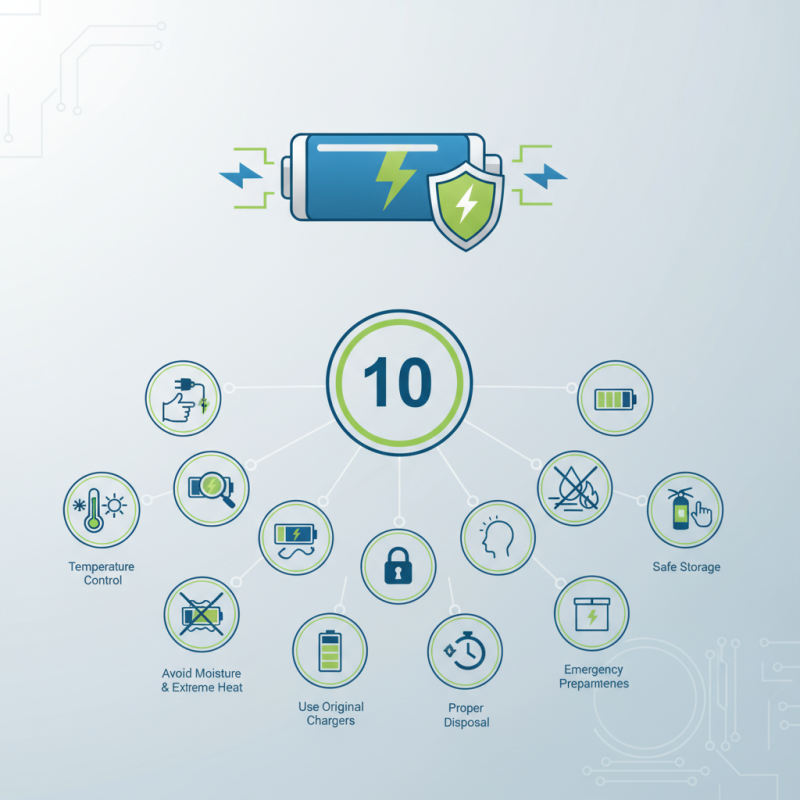
Top 10 Tips for Safely Using Lithium Batteries?
Lithium Batteries are essential in today’s tech-driven world. They power everything from smartphones to electric vehicles. However, with their widespread use comes safety concerns. Many incidents occur due to improper handling or charging. Awareness is key to ensuring safety.
When using lithium batteries, it’s crucial to follow best practices. Improper usage can lead to battery failure or even fires. Such situations can be disastrous. Understanding how to handle these batteries safely can save lives and property. It’s not just about convenience; it’s about responsibility.
Being mindful of the potential dangers is essential. Each user must take precautions. Some may overlook details, thinking, "It won’t happen to me." This mindset can lead to serious consequences. Let’s explore tips to safely navigate the world of lithium batteries.
Understanding Lithium Battery Basics and Risks
Lithium batteries power many devices today. However, it's crucial to understand their basic features and risks. They can overheat and cause fires if not handled properly. Knowing how to use them safely is essential for everyone.
Tip one: Always inspect your lithium batteries before use. Look for any signs of damage, like swelling or corrosion. If you spot any issues, stop using them immediately. Damaged batteries pose serious hazards.
Tip two: Avoid exposing batteries to extreme temperatures. Both heat and cold can affect performance and safety. Store them in a cool, dry place. This simple step can help reduce the risk of leaks or fires.
Finally, charge batteries with care. Use the recommended charger and do not overcharge. Overcharging can lead to elevated heat, increasing the risk of failure.
Engaging with these batteries requires a safety-focused mindset. Take the time to educate yourself about their use. Understanding what to look for can prevent accidents.
Choosing the Right Lithium Battery for Your Devices
Choosing the right lithium battery for your devices can be challenging. Start by understanding your device's specifications. Look for the required voltage and capacity. Each device has unique needs. A mismatch can lead to performance issues. For example, using a lower capacity battery may cause your device to underperform or shut down unexpectedly.
Consider the battery’s chemistry as well. Lithium-ion and lithium polymer differ in size and weight. Lithium polymer batteries can be more compact, which is ideal for portable devices. However, they can be pricier and less common. Over time, lithium batteries degrade. Check the manufacturer’s recommendations for the best practices to prolong battery life.
Pay attention to safety ratings too. Not all batteries are created equal. Look for certifications that ensure safety and reliability. A poorly manufactured battery might not only underperform but can also pose risks. It’s crucial to ask questions. Why is this battery cheaper? Reflect on these aspects to make a better choice.
Top 10 Tips for Safely Using Lithium Batteries
This chart displays the importance of various safety tips for using lithium batteries, rated from 1 to 10. Each tip is crucial for ensuring safe handling and longevity of your lithium batteries.
Best Practices for Charging Lithium Batteries Safely
Charging lithium batteries requires careful attention to safety. Proper charging techniques can prevent dangerous situations. Always use a compatible charger designed for your battery type. This ensures the charging current and voltage are appropriate. Using an incorrect charger can lead to overheating or even battery failure.
Monitor the charging process closely. Avoid leaving batteries unattended while they charge. It’s best to charge them in an open space, away from flammable materials. Keep batteries away from extreme temperatures. High heat can cause damage or lead to hazardous outcomes. If a battery begins to swell or emit strange odors, disconnect it immediately.
Consider the environment where you charge your batteries. A well-ventilated area helps dissipate heat. Regularly inspect your batteries for any signs of wear. Sometimes, we overlook small cracks or leaks. These can be signs of deeper issues. Reflect on how often you replace your batteries. Frequent replacements may indicate charging behavior that needs improvement.
Proper Storage and Handling of Lithium Batteries
Proper storage and handling of lithium batteries is essential for safety. These batteries can be sensitive to temperature and moisture. Store them in a cool, dry place. Avoid hot or humid areas. High temperatures can lead to overheating, while moisture can cause corrosion. Keep them away from flammable materials.
Always check the battery condition before use. Look for any signs of swelling or leakage. If you notice any defects, handle them with care. Dispose of damaged batteries properly. Do not throw them in regular trash. Follow local regulations for disposal. Keep batteries away from metal objects. This can prevent accidental short circuits.
When charging, use the correct charger. Overcharging can lead to battery failure or fires. Unplug it when fully charged. Avoid leaving lithium batteries unattended while charging. Regularly maintain and clean the battery terminals. This can help prevent issues during use. Regular checks are a good practice for safety.
Recognizing Signs of Damage or Malfunction in Lithium Batteries
Lithium batteries have become a vital part of our lives. However, recognizing signs of damage or malfunction is critical. A study by Battery University reveals that nearly 30% of battery-related incidents stem from neglecting signs of damage. Users should be vigilant about physical indications like swelling, leaks, or unusual heat. Swelling often indicates an internal failure. If you notice a battery that looks puffed up, it needs to be assessed immediately.
Visual inspections are important. Look for cracks or dents on the battery surface. These issues can lead to short circuits or even fires. Additionally, strange smells or hissing sounds are warning signs that should not be ignored. Reports indicate that most battery failures occur when users dismiss these early warnings. Proper monitoring and awareness can significantly reduce risks.
Moreover, charging practices play a role. Batteries should never be charged unattended or overnight. A 2022 industry report found that 15% of battery fires occurred during overnight charging. Users should also avoid overcharging and should stop charging when the battery reaches 100%. Failing to heed these warnings can lead to dangerous situations. Active awareness is key to ensuring lithium battery longevity and safety.