Top 5 Tips for Forklift Collision Detection System Success
In today's fast-paced industrial environment, safety is a top priority. A Forklift Collision Detection System plays a crucial role in reducing accidents. These systems can prevent collisions and protect both employees and equipment. However, their success depends on several factors.
Implementing a Forklift Collision Detection System is not always straightforward. Many companies overlook the importance of training. Operators need to understand how to work with these systems effectively. Additionally, proper maintenance is often neglected. A malfunctioning system can lead to false alarms or worse, accidents.
Moreover, the human factor cannot be ignored. Operators may still take risks, even with a detection system in place. This highlights the need for consistent safety culture and awareness within the workplace. Regular assessments and updates to the system can further improve its efficiency. Emphasizing the importance of a Forklift Collision Detection System ensures a safer working environment for all.
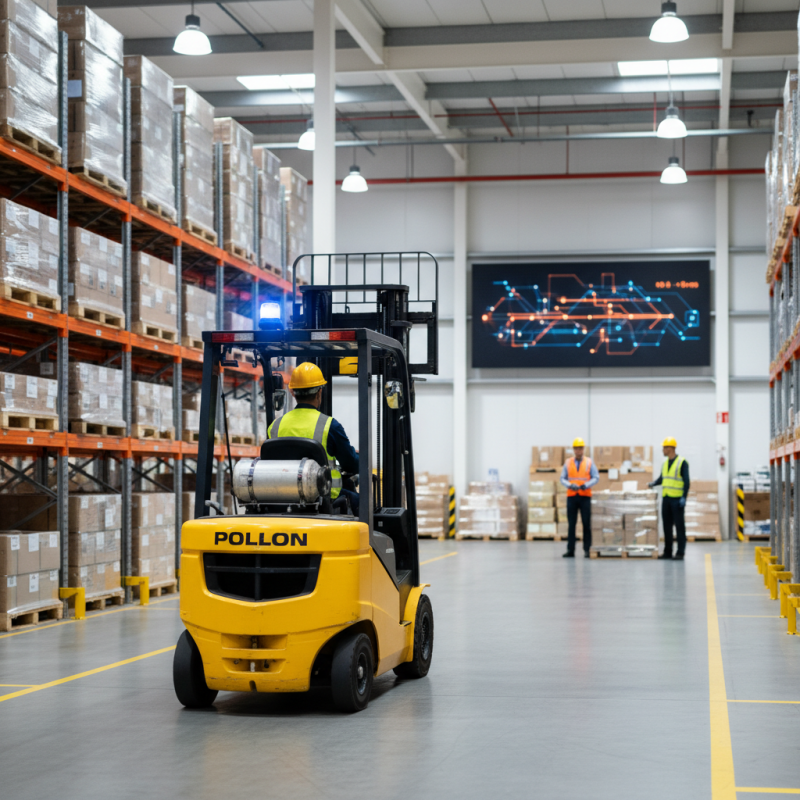
Understanding Forklift Collision Detection Systems
Forklift collision detection systems are essential for promoting safety in warehouses and industrial settings. These systems use advanced sensors to detect obstacles and prevent accidents. They can reduce the risk of injuries among workers. Effective systems operate quietly yet alert the operator instantaneously. Still, there are challenges in understanding and implementing these technologies.
Many operators struggle to adapt to new collision detection systems. Training is often neglected, leading to misuse. Proper training enhances understanding of system capabilities, but not all companies prioritize it. Sometimes, operators may rely too heavily on technology. This over-reliance can lead to complacency, which defeats the purpose of the system. Ensuring regular assessments can help identify gaps in training.
Additionally, environmental factors can affect system performance. Dust, clutter, or poor lighting can interfere with sensors. Workers should regularly clean and maintain these devices. It is important to feedback issues promptly to ensure effective operation. Ultimately, understanding how these systems work plays a key role in enhancing safety. Each unique environment requires careful consideration for optimal performance and safety.
Key Components of Effective Collision Detection Solutions
Effective collision detection systems are vital in warehouse settings. They prevent accidents and ensure safety. Research shows that nearly 25% of forklift accidents are due to collisions. To mitigate these risks, consider key components for an effective system.
One critical element is proximity sensors. These devices help detect nearby obstacles. They alert operators of potential collisions. According to industry studies, facilities using sensors have seen a 30% reduction in accidents. Cameras also play a significant role, providing real-time visuals. They enhance situational awareness for operators, but they require careful calibration. Incorrect settings can lead to blind spots, making safety measures less effective.
Another component is robust training for operators. Training programs should encompass system functionality and hazard recognition. Employees often overlook the importance of using all available safety features. A lack of understanding leads to misuse. Combining technology with well-informed personnel can greatly improve overall safety. Data indicates that proper training can improve accident response time by up to 50%. Investing in these components and training is essential for a successful collision detection solution.
Best Practices for Implementing Collision Detection Technologies
Implementing a forklift collision detection system requires a structured approach. Safety should be prioritized. According to a study by the National Safety Council, workplace accidents cost employers $171 billion every year. A solid collision detection system can significantly reduce this risk.
Training is crucial for staff. Operators must understand how these systems work. Half of all accidents occur due to human error. Proper training can improve awareness. Real-time alerts can save lives. However, integrating these technologies can be complex.
Regularly reviewing system performance is necessary. An assessment can reveal flaws. Reports indicate that many companies fail to act on maintenance alerts. This leads to system inefficiencies. Regular updates and audits keep systems effective. Adjustments based on data feedback can also enhance reliability. Fine-tuning the technology ensures it meets operational needs.
Training Employees for Collision Awareness and Safety
Training employees on collision awareness is crucial for forklift safety. According to the National Institute for Occupational Safety and Health (NIOSH), approximately 35,000 forklift-related injuries occur each year in the U.S. These incidents often result from inadequate training and awareness. Conducting comprehensive training can significantly reduce these accidents.
Effective training programs should include simulation of real-life scenarios. This approach helps workers understand potential hazards. Participants can practice identifying blind spots and unsafe behaviors. A study by the Occupational Safety and Health Administration (OSHA) revealed that ongoing training reduces incidents by up to 25%. Short sessions focused on collision detection technology can reinforce safety protocols.
Engagement is key. Employees must feel comfortable reporting near-miss incidents. This fosters a culture of open communication. It's important to remember that awareness alone isn’t enough. Continuous assessments and feedback can identify gaps in knowledge or practice. Training should evolve based on observed behaviors and accident reports. Regular evaluations can create a safer work environment where employees learn and adapt effectively.
Regular Maintenance and System Evaluation for Optimal Performance
Regular maintenance of forklift collision detection systems is crucial. A well-maintained system reduces the risk of accidents. Scheduled inspections should include software updates and hardware checks. Ensure that sensors are free from debris. Small obstructions can lead to false readings.
Evaluating system performance regularly is equally vital. This involves reviewing incident reports and analyzing near-miss situations. Such reflections can uncover trends and inform improvements. Staff training sessions should also be part of the evaluation process. Behaviors can sometimes lead to unexpected results, highlighting areas for growth.
Consider feedback from operators regularly. They may point out quirks in the system that need attention. Listening to frontline workers can yield valuable insights. Implementing these changes can enhance system reliability. A proactive approach is essential for optimal performance.
Top 5 Tips for Forklift Collision Detection System Success
This bar chart illustrates the potential impact of various factors on the success of forklift collision detection systems. Regular maintenance, system evaluation, and effective training programs are key to achieving optimal performance.