Top 5 Tips for Choosing a Corrugated Iron Roofing Sheet Machine?
Choosing the right corrugated iron roofing sheet making machine is crucial for any construction business. The global demand for corrugated iron sheets is growing, projected to reach $27 billion by 2025. With this rise, selecting the right machinery can significantly impact production efficiency and profitability. According to industry expert John Smith, "Investing in the right machine can save time and resources, enhancing your production line."
When evaluating options, consider factors like machine durability, production speed, and energy efficiency. It's essential to assess how well the machine meets your specific requirements. For instance, a more efficient machine might have a higher upfront cost but lead to lower operational expenses. However, without proper research, one might overlook key features essential for their unique needs.
Ultimately, ensuring your choice aligns with industry standards and projections can create a competitive advantage. This decision shapes not only your immediate production capabilities but also your long-term success in the market for corrugated iron roofing sheets. The right equipment can be a game changer, but balance is key in selecting for both performance and cost.
Understanding the Types of Corrugated Iron Roofing Sheet Machines Available
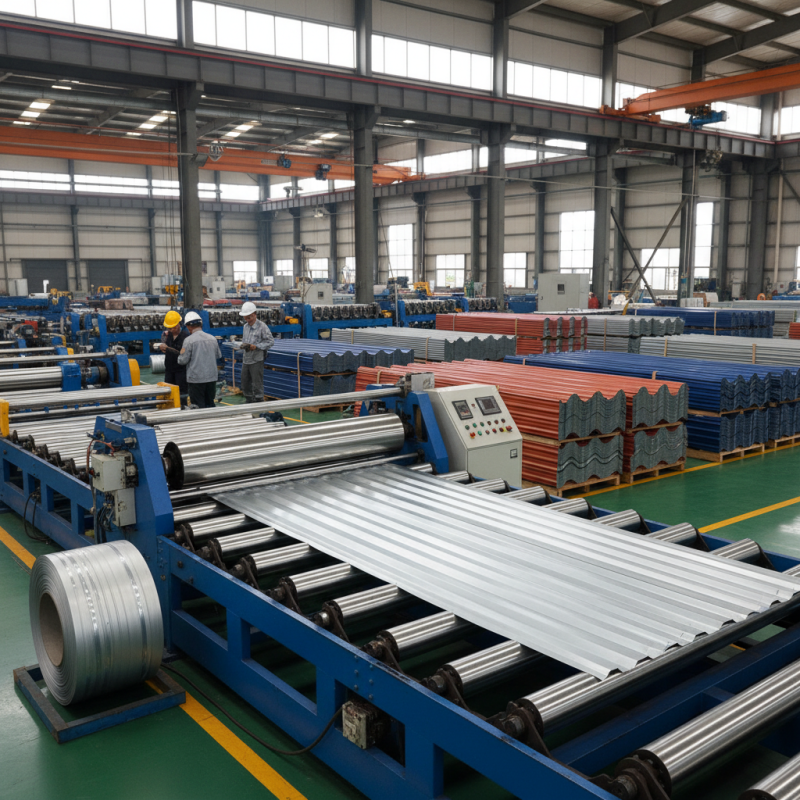
When selecting a corrugated iron roofing sheet machine, it’s crucial to understand the different types available. The main types include manual machines, semi-automatic, and fully automatic machines. Manual machines are often less expensive but require more labor. Semi-automatic machines provide a balance, allowing for faster production while still requiring some manual effort. Fully automatic machines, while costly, offer efficiency and precision, making them suitable for large-scale production.
Choosing the right machine involves a few considerations. Assess your production needs. Consider the materials you will work with. Some machines handle various metal types, while others are specialized. Think about the space you have for installation. A compact model might be ideal for smaller workshops, but larger machines require more room.
Also, consider the ease of use. A machine that is difficult to operate can lead to errors and increased downtime. Look for features that enhance usability. It’s essential to think about maintenance too. Machines that are easy to maintain will save you time and reduce costs.
Explore your options thoroughly. Each type has its pros and cons, which can sometimes blur the lines of decision-making. Ask for demonstrations if possible. Practical experience can highlight what specifications may have been overlooked.
Evaluating the Machine's Production Capacity and Speed
When evaluating a corrugated iron roofing sheet machine, production capacity and speed are critical factors. Understand the machine’s output. Does it meet your project needs? A machine that produces sheets at a slower pace may hinder your operations. In contrast, a faster machine could streamline your workflow significantly.
Consider the specifications. Look for machines that specify their production capacity in sheets per hour. Some may produce fewer than a hundred sheets, while others can exceed several hundred. Such details directly impact your project timeline. If your demands are high, investing in a machine with a robust capacity is wise.
Reflect on the quality aspects too. A machine may claim high speed, but quality often suffers. Pay attention to the finish and consistency in the sheets produced. A faster output may lead to defects or poor quality, which requires rework. Balancing speed and reliability is crucial for long-term success. Aim for a machine that promises both efficiency and durability.
Assessing the Quality of Materials Used in Machine Construction
When selecting a corrugated iron roofing sheet machine, assessing the quality of materials is paramount. The durability of the machine directly affects its performance. High-quality steel or aluminum ensures that the machine withstands long-term use. Look for structural components with rust-resistant coatings. Corrosion can significantly impact the machine's lifespan. Test samples to ensure they meet your requirements.
Beyond the exterior, consider the inner workings. Components like gears, motors, and belts should be made from robust materials. Weak or low-grade materials can lead to frequent breakdowns. Operational efficiency is often tied to the quality of these parts. Analyze the specifications provided by the manufacturer carefully. Don’t hesitate to ask questions about material grades used.
It's also smart to assess the overall machine design. A well-thought-out design tends to enhance performance and longevity. Some machines may seem appealing on the surface but lack solid construction. Seek feedback from previous users about their experiences. Their insights can reveal hidden flaws in design or materials. Remember, investing in a machine with strong materials may save you from costly repairs later on.
Examining the Technical Support and Warranty Options from Manufacturers
When selecting a corrugated iron roofing sheet machine, technical support is essential. Manufacturers should offer robust support. This includes timely responses to inquiries and practical assistance in setup. Look for those who provide detailed manuals and online resources. Well-structured support can ease the learning curve.
Warranty options are equally important. A solid warranty reflects the manufacturer's confidence. It should cover parts, labor, and any potential defects in materials. Be wary if the warranty period is short. It may indicate a lack of trust in the product’s longevity. Evaluate what the warranty entails and its limitations. Long-term support can significantly influence your investment.
Many users overlook service agreements. A comprehensive service plan can save costs over time. Make sure you understand what is included. Review the potential for additional costs after the warranty expires. It’s smart to think ahead. Technical support and warranty terms reveal much about the manufacturer's reliability. Investing time in research is prudent.
Considering the Cost Efficiency and Return on Investment of the Machine
When choosing a corrugated iron roofing sheet machine, understanding cost efficiency is vital. Many machines come with varied price tags. It's easy to assume that a higher price means better quality. However, that’s not always the case. Sometimes, a mid-range model can deliver excellent performance. Analyze your budget carefully. Investing too much upfront can strain future financing options.
Return on investment (ROI) matters. Look closely at the machine's output capacity. Can it meet your production needs? A machine that operates efficiently can save you money in the long run. Think about maintenance costs as well. Some models require frequent repairs, which adds to overall expenses. A reliable machine may have a higher initial cost but could save you from constant repairs and downtime.
Consider the machine's efficiency ratings. Efficient machines usually consume less energy. This factor significantly affects your operating costs. Don't overlook customer reviews or user feedback. They can shed light on real-world performance. A few negative experiences can indicate potential issues. Be prepared to invest time in research. Choosing the right machine may seem daunting, but smart decisions lead to better outcomes. Balancing cost and performance is an art worth mastering.
Top 5 Tips for Choosing a Corrugated Iron Roofing Sheet Machine
| Tip | Consideration | Cost Range (USD) | Expected ROI (Years) |
| Research Machine Specifications | Ensure the machine meets production needs. | $20,000 - $50,000 | 2 - 3 Years |
| Assess Energy Efficiency | Lower energy consumption boosts savings. | $15,000 - $40,000 | 1.5 - 2 Years |
| Evaluate Maintenance Costs | Consider the ongoing cost of upkeep. | $5,000 - $15,000 Annually | 3 - 5 Years |
| Look for Warranty and Support | Ensure good manufacturer support extends machine life. | $25,000 - $60,000 | 2 - 4 Years |
| Consider Production Capacity | Choose a machine that matches demand. | $18,000 - $45,000 | 2 - 3 Years |