What is PET Cans and Why Are They Essential for Packaging?
PET cans have emerged as a crucial element in the packaging industry, combining practicality and sustainability. According to a recent study by the Packaging Association, the use of PET cans has increased by over 15% in the last five years. This uptick reflects a growing consumer preference for lightweight and recyclable materials. The versatility of PET cans suits a wide range of products, from beverages to food items, making them essential for manufacturers.
Moreover, the environmental benefits of PET cans cannot be ignored. They are highly recyclable, contributing to a circular economy. The Global Recycling Foundation reports that recycled PET can reduce carbon emissions by up to 70%. Despite these advantages, challenges remain. Not all consumers are aware of the recycling process, leading to potential waste. Additionally, the industry must address issues related to plastic pollution.
Despite the remarkable growth and benefits of PET cans, there is a need for greater awareness and improved recycling programs. As the market evolves, manufacturers and consumers alike must commit to sustainable practices. Understanding the role of PET cans is vital for fostering a responsible approach to packaging in the future.
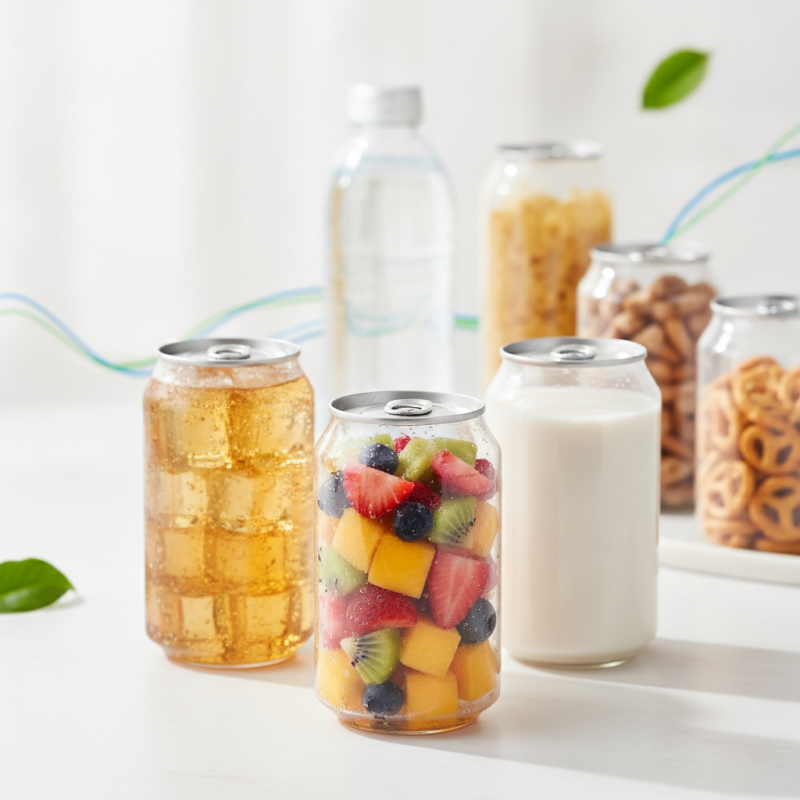
What Are PET Cans and Their Composition?
PET cans are becoming increasingly popular for their unique properties. Made from polyethylene terephthalate, these cans are lightweight and highly durable. The composition of PET involves the polymerization of ethylene glycol and terephthalic acid. This process creates a material that is not only strong but also resistant to impact and temperature changes.
One of the main benefits of using PET cans is their recyclability. These cans can be recycled multiple times without losing quality. This is crucial in reducing landfill waste and promoting sustainability. Furthermore, PET does not alter the taste of beverages or food products. This ensures a high-quality experience for the consumer.
Tips for using PET cans include checking local recycling guidelines. Not all areas accept PET for recycling. Additionally, avoid storing PET cans in direct sunlight for prolonged periods. This can degrade the material over time. Consider using PET cans for beverages and non-perishable food items to take full advantage of their properties.
The Advantages of Using PET Cans in Packaging
PET cans have emerged as a critical player in the packaging industry, favored for their versatility and sustainability. According to a 2020 report by the European PET Bottle Association, the global demand for PET packaging has surged, with an expected growth rate of 4.7% from 2021 to 2028. This is largely due to the material's lightweight nature and ability to protect contents effectively. PET cans can withstand pressure, making them ideal for carbonated beverages and other pressurized liquids.
One significant advantage of PET cans is their environmental impact. The recycling rate for PET has increased significantly, reaching 52% in Europe, as reported by PlasticsEurope in 2021. Many companies now incorporate recycled PET in their production, further reducing the environmental footprint. This shift not only helps in conserving resources but also addresses consumer demand for sustainable packaging options. However, challenges remain; not all regions have efficient recycling systems, leading to waste generation.
Another notable benefit of PET cans is their barrier properties. They offer excellent protection against oxygen and moisture, ensuring product freshness. Studies show that products stored in PET cans have a longer shelf life compared to other packaging types. Yet, as the market grows, the industry faces the task of balancing convenience and sustainability, with ongoing efforts needed to optimize these cans for better recyclability and lower energy consumption during production.
What is PET Cans and Why Are They Essential for Packaging? - The Advantages of Using PET Cans in Packaging
| Advantages | Description |
| Lightweight | PET cans are significantly lighter than traditional metal or glass containers, reducing shipping costs and energy consumption. |
| Durability | They resist impact and breakage, which makes them ideal for transportation and storage. |
| Recyclability | PET materials are recyclable, contributing to sustainable packaging solutions and reducing environmental impact. |
| Barrier Properties | PET cans provide excellent oxygen and moisture barriers, extending the shelf life of products. |
| Customizability | They can be easily customized in terms of shape, size, and design, allowing for branding opportunities. |
| Cost-Effectiveness | Production and material costs are generally lower compared to glass or metal containers, making them a budget-friendly option. |
Applications of PET Cans in Various Industries
PET cans are revolutionizing packaging across various industries. They offer durability, lightweight properties, and a barrier against moisture. These factors make them ideal for beverages, snacks, and even cosmetics. In the food industry, PET cans help prolong shelf life, ensuring freshness and safety. Many brands are turning to these cans due to their recyclability, which appeals to environmentally conscious consumers.
In the beverage sector, PET cans are popular for soft drinks and energy drinks. Their lightweight nature reduces shipping costs and carbon footprint. Brands are also experimenting with these cans for craft beverages. However, some industries are still hesitant to switch from traditional cans. This conservatism may limit innovation in packaging design.
**Tips: To maximize sustainability, consider partnering with suppliers who offer recycled PET materials.** Monitor customer feedback to gauge acceptance of PET cans in new markets. Testing different designs can improve user experience.
Consumption of PET Cans in Different Industries (2023)
Environmental Impact and Sustainability of PET Cans
PET cans, made from polyethylene terephthalate, are gaining attention for their role in sustainable packaging. Their lightweight nature leads to lower transportation emissions. According to the National Association for PET Container Resources, over 1.5 billion pounds of PET were recycled in 2020 alone. However, while recycling rates have increased, the full potential of PET cans remains untapped.
The environmental impact of PET cans includes both advantages and concerns. They are fully recyclable, reducing landfill waste when properly processed. Studies suggest that a recycled PET bottle saves 76% of energy compared to making new ones. Yet, challenges exist, such as contamination in recycling streams, which can hamper efficiency. The carbon footprint of production still raises questions about sustainability.
Consumer awareness is critical for maximizing the benefits of PET cans. Many still do not understand the importance of recycling. The recycling industry continues to advocate for clearer labeling and better consumer education. While steps have been made, further commitment is needed to enhance the lifecycle of PET products. Emphasizing sustainable practices in production and disposal can elevate the overall environmental impact of PET packaging.
Future Trends in PET Can Development and Usage
The future of PET can development is increasingly focused on sustainability. According to a recent market analysis, the global biodegradable plastic market is on track to reach $6.8 billion by 2026. Manufacturers are exploring innovative materials that reduce environmental impact while maintaining the durability and versatility of traditional PET. This shift aligns with growing consumer demand for eco-friendly packaging solutions.
Recycling technology is set to advance significantly. PET can recycling rates remain a challenge. Currently, only about 30% of PET bottles are recycled into new products. Industry experts anticipate improvements in collection and processing methods. Enhanced sorting technologies and chemical recycling are vital. They could elevate recycling rates and reduce raw material dependency, fostering a circular economy.
Consumer preferences continue to evolve. Many now favor products in sustainable packaging. This trend pushes brands to adopt PET cans for various applications, from beverages to food storage. However, challenges remain. Balancing cost-effectiveness with sustainability needs careful planning. Companies must also navigate regulatory frameworks that impact material choices. Addressing these complexities will be crucial for successful PET can adaptation in the coming years.