What is Monel 400 Plate and Why is it Preferred?
Monel 400 Plate is a nickel-copper alloy known for its remarkable properties. It has high corrosion resistance, especially in marine environments. This unique material also withstands high temperatures and acidic conditions. Many industries prefer Monel 400 Plate for its durability and strength. It is widely used in chemical processing and oil production.
The preference for Monel 400 Plate stems from its ability to perform well in harsh conditions. Many engineers trust it for critical applications. Its resistance to pitting and stress corrosion makes it a reliable choice. However, sourcing Monel 400 can be challenging due to cost fluctuations.
Despite its advantages, Monel 400 Plate may not suit every application. Users must consider specific project requirements. Understanding both its benefits and limitations is vital. This alloy’s reputation relies on its proven track record, yet it is always wise to evaluate alternatives for the best outcome.
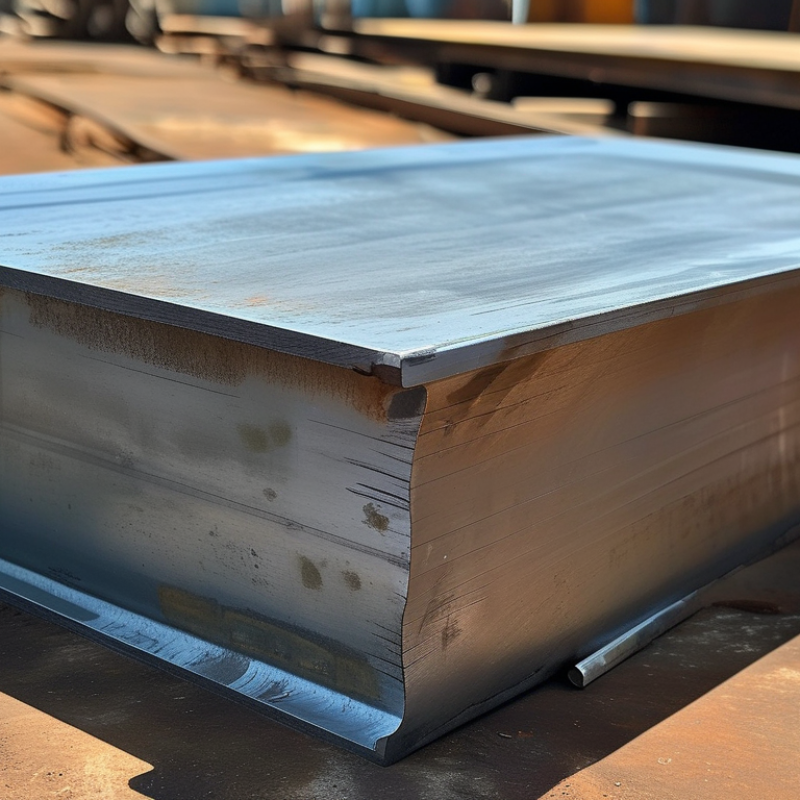
Definition and Composition of Monel 400 Plate
Monel 400 plate is a nickel-copper alloy known for its exceptional corrosion resistance. The primary components of Monel 400 are approximately 67% nickel and 23% copper. This unique composition imparts strength and durability to the material, making it suitable for harsh environments. Additionally, it contains small amounts of iron, manganese, and silicon, which enhance its overall properties.
When manufacturing Monel 400 plates, the heat treatment process is crucial. Proper heat treatment improves its mechanical properties, enabling it to withstand extreme temperatures and pressures. This makes it a popular choice in marine, chemical processing, and aerospace industries. Moreover, its non-magnetic nature is a significant advantage in specific applications.
Tip: Always consider the environment where the Monel 400 plate will be used. For example, exposure to different chemicals can affect its performance. Regular inspections and maintenance are essential to ensure longevity.
While Monel 400 offers many benefits, it also comes with challenges. Its higher price point compared to other metals can be a drawback. Additionally, fabricating Monel 400 requires specialized equipment and techniques. Understanding these aspects is vital when selecting materials for projects.
Key Properties of Monel 400: Durability and Corrosion Resistance
Monel 400 is a nickel-copper alloy known for its impressive durability and corrosion resistance. This makes it ideal for harsh environments. Its unique composition allows it to withstand acidic and alkaline conditions. Many industries choose Monel 400 for applications in marine environments, chemical processing, and oil exploration. The alloy's resilience is crucial where other materials might fail.
The key properties of Monel 400 stem from its ability to resist pitting and stress corrosion cracking. It performs exceptionally well in seawater, which is a significant advantage. However, it is not entirely impervious to all corrosive agents. For instance, prolonged exposure to highly oxidizing acids can lead to degradation. Understanding these limitations is vital for engineers and manufacturers. Proper selection ensures reliability and safety in various uses.
It’s also worth noting that while Monel 400 is durable, it can be more challenging to machine than softer metals. This can lead to increased wear on tools during fabrication. Industry professionals must consider this when planning manufacturing processes. The understanding of both its benefits and shortcomings helps in making informed decisions.
Applications of Monel 400 Plate in Various Industries
Monel 400 plate is a nickel-copper alloy known for its excellent corrosion resistance. This makes it highly suitable for various demanding environments. One significant application is in the marine industry. Ships and offshore structures often face harsh conditions. Monel 400 can withstand saltwater corrosion better than many other materials, ensuring longevity and safety.
Another notable application is in chemical processing. Industries dealing with caustic substances prefer Monel 400. It can handle extreme temperatures and pressures while resisting oxidative degradation. This quality is crucial for maintaining equipment integrity and reducing downtime. Chemical plants often face challenges with material failures. Using Monel 400 can mitigate these risks effectively.
In addition, Monel 400 is popular in the aerospace sector. Components like valves and pumps require materials that can endure high-stress conditions. Monel 400's mechanical properties make it a reliable choice. However, training personnel to work with such specialized materials is essential. Knowledge gaps can lead to mistakes, highlighting the need for continuous learning and adaptation in industries using Monel 400.
Advantages of Choosing Monel 400 Over Other Alloys
Monel 400 is a nickel-copper alloy known for its exceptional resistance to corrosion. This unique property makes it ideal for harsh environments, particularly in marine applications. It stands up well against sea water and acidic conditions. Many industries favor Monel 400 for its durability and longevity in demanding situations.
Choosing Monel 400 over other alloys brings several advantages. Its mechanical properties are impressive, offering strength and toughness at elevated temperatures. The alloy maintains its stability, ensuring minimal deformation under stress. In addition, the ease of fabrication allows for versatile applications in various sectors, from chemical processing to oil production. However, working with Monel 400 can present challenges, such as difficulty in machining and welding. This aspect requires skilled handling and experience to achieve optimal results.
The cost-effective nature of Monel 400 becomes evident when considering its longevity. While it may have a higher initial price, the reduced maintenance and replacement needs save money in the long run. These factors make Monel 400 a reliable choice for engineers and manufacturers looking for sustainability in their materials.
Cost Considerations and Availability of Monel 400 Plate
Monel 400 plate stands out for its unique properties and versatility. It is a nickel-copper alloy, resistant to corrosion and offers excellent mechanical strength. Industries heavily utilize it, especially for marine and chemical applications. However, understanding the cost and availability of Monel 400 plate is crucial for budgeting and project planning.
When considering costs, remember that Monel 400 may be more expensive than other materials due to its specialized properties. The price can vary based on market demand and global supply chains. It's wise to monitor market trends and forecasts to plan purchases effectively. Bulk buying can also lead to savings.
Tip: Always compare suppliers for the best offers. Availability can be impacted by demand spikes or production challenges. Shortages can occur unexpectedly, so having alternative suppliers is wise.
Finding Monel 400 plate in inventory can be challenging. Not all distributors stock it regularly, and lead times may increase during high-demand periods. Establishing strong relationships with reliable suppliers helps ensure steady access.
Tip: Order well in advance. This proactive approach helps avoid project delays and potential costs. By understanding the landscape of Monel 400, you can make more informed decisions.