What is Infant Series CPR Training Simulator Benefits and Uses?
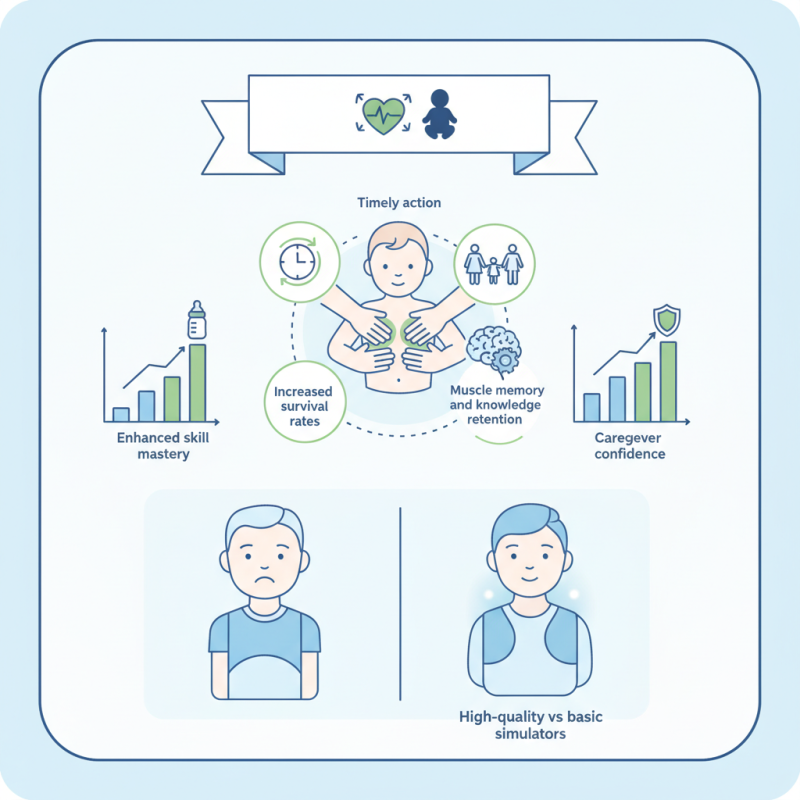
The importance of infant CPR training cannot be overstated. According to the American Heart Association, timely CPR can double or triple a child's chances of survival after cardiac arrest. With infants being particularly vulnerable, specialized training becomes essential. The "Infant Series CPR Training Simulator" addresses this gap effectively, providing realistic training for healthcare professionals and first responders alike.
Utilizing these simulators allows trainees to practice life-saving techniques in a controlled environment. The hands-on experience helps develop muscle memory, which is crucial during emergencies. A study published in the Journal of Pediatric Health Care emphasized the need for realistic training tools, showing that participants using simulators retained knowledge longer than those learning through traditional methods.
Despite their benefits, not all simulations provide equal learning experiences. Some might lack realism or the capability to simulate stressful environments. Therefore, choosing a high-quality "Infant Series CPR Training Simulator" is critical. It not only enhances skill mastery but also instills confidence in caregivers facing real-life emergencies.
Understanding Infant CPR and Its Importance
Infant CPR is crucial for parents and caregivers. Understanding the technique can save a child's life in emergencies. Infants are vulnerable and require specific methods for resuscitation. Effective CPR can maintain breathing and circulation. Parents must recognize the signs of distress early.
When training with simulators, participants gain practical experience. These tools allow practice in a safe environment. Users can repeat scenarios until they feel confident. This hands-on training is essential for building muscle memory. Realistic simulations can prepare caregivers for high-stress situations. However, some might feel anxious when learning these techniques. It's okay to feel unsure; practice improves skills.
Tips: Always check for responsiveness first. Use two fingers for compressions, pressing about about 1.5 inches deep. Keep the infant on a firm surface. Remember to call for help if needed. Recognizing your limits is vital. Seek additional training if you feel unprepared. Each session builds your confidence and can help save lives.
Key Features of Infant Series CPR Training Simulators
Infant Series CPR training simulators are essential tools in emergency response training. They replicate the unique physiological characteristics of infants. This feature allows participants to practice CPR techniques, ensuring they can respond effectively in real-life situations. The realistic design of these simulators includes soft, malleable bodies that mimic the feel of a real infant. This realism promotes confidence and improves muscle memory among trainees.
Another key feature is the feedback mechanism. Many infant CPR simulators provide real-time feedback on compression depth and rate. This helps learners adjust their techniques immediately. Some models even record performance metrics for later review. This element of self-assessment is vital for gauging progress and pinpointing areas for improvement. It encourages continuous learning, fostering a growth mindset in participants.
While these simulators are beneficial, they are not perfect. Some users may struggle with the pressure intensity during training. Others might find the feedback systems overwhelming or confusing. These challenges highlight the necessity for guidance from experienced instructors. Proper oversight can enhance the training experience, ultimately leading to better preparedness in emergency situations.
Infant Series CPR Training Simulator Benefits
Benefits of Using Infant CPR Training Simulators
Infant CPR training simulators offer essential benefits for caregivers and healthcare professionals. These tools provide a realistic practice environment. According to the American Heart Association, effective CPR can increase survival chances by over 20%. Simulators help learners grasp the unique techniques required for infants, making them invaluable in training settings.
Practice with these simulators is crucial. They mimic real-life scenarios, allowing trainees to experience pressure and urgency. This prepares them for actual emergencies. Research shows that hands-on training can boost confidence in performing CPR. However, many still hesitate. Understanding that mistakes are part of learning is vital. Each error provides a unique learning opportunity.
Tip: Always focus on maintaining a calm demeanor when performing CPR. This not only helps the caregiver but also aids the infant in receiving prompt assistance. Regular practice enhances skill retention. Creating a familiar routine can reduce anxiety during real emergencies and improve response effectiveness.
What is Infant Series CPR Training Simulator Benefits and Uses? - Benefits of Using Infant CPR Training Simulators
| Benefit | Description | Use Case |
| Realistic Practice | Simulates actual infant CPR scenarios, enhancing learning. | Used for training healthcare professionals and parents. |
| Immediate Feedback | Provides real-time feedback on CPR techniques. | Ideal for workshops and courses focusing on infant care. |
| Safety Learning Environment | Allows learners to make mistakes without consequences. | Perfect for training scenarios in schools and community centers. |
| Enhanced Retention | Hands-on learning increases memory retention of techniques. | Used in certification programs for emergency responders. |
| Accessibility | Simulators are available for both professional training and public education programs. | Used in various training environments, including hospitals and community health initiatives. |
Practical Applications of Infant CPR Training Simulators
Infant CPR training simulators offer significant practical applications for caregivers and healthcare professionals. These simulators replicate real-life scenarios, allowing users to practice vital skills in a controlled environment. By using simulators, trainees can gain hands-on experience with infant resuscitation techniques. This practice enhances confidence and competence during actual emergencies.
One key benefit of these training tools is the immediate feedback they provide. Simulators can assess performance, highlighting areas for improvement. This feedback loop fosters a deeper understanding of proper techniques, ensuring that users can learn from their mistakes. Participants often find themselves reflecting on their performance, recognizing the need for continuous learning.
Additionally, infant CPR simulators facilitate team-based training. This collaborative approach helps build communication skills among caregivers, which is crucial during a crisis. Participants often feel more connected to their role after team training sessions. However, it’s essential to remember that simulation cannot replace real-life experience entirely, and ongoing practice and education are vital.
Evaluating the Effectiveness of Infant CPR Training Tools
Infant CPR training tools have become vital in preparing caregivers for emergencies. Training simulators provide a realistic experience, crucial for learning proper techniques. According to a study published in the Journal of Pediatric Health Care, participants using these simulators retained skills longer than those with traditional methods. Statistically, 82% of those trained reported increased confidence in performing CPR.
The effectiveness of these tools lies in their ability to mimic real-life scenarios. Participants interact directly with the infant models, responding to various emergencies. This hands-on experience fosters muscle memory. A report from the American Heart Association highlighted that real-life application improved retention rates by 30%. Despite these positives, instructors sometimes overlook the importance of post-training assessments. Regular practice sessions are essential for skill retention.
Furthermore, feedback from course participants indicates a gap in understanding infant anatomy. While simulators effectively teach CPR techniques, users often struggle with recognizing distress signals. Research shows that only 65% of trainees accurately identify an infant in need. Addressing this issue can enhance the overall effectiveness of training programs. Continuous evaluation and updates to training modules can bridge this gap, ensuring caregivers are well-prepared for real-life situations.