How to Choose the Right Lavatory Drain?
A Lavatory Drain may look like a small finishing detail, but it affects daily use, cleaning, and leak prevention. The right choice must match the basin’s outlet, the plumbing connection, and the room’s style. A polished drain can still be the wrong fit. Measure before you buy.
The U.S. Environmental Protection Agency reports that household leaks waste nearly 10,000 gallons of water per home each year on average. That figure covers many types of leaks, not lavatory drains alone, but it underscores why sound connections matter. Check the drain opening, overflow configuration, tailpiece size, and trap connection. Also consider how easily the stopper can be cleaned. Hair and soap residue collect where you least want them.
“Match the drain to the basin, the plumbing, and the way you use the sink.” This is a practical selection principle, not a verified quotation from a named expert. Richard Trethewey, a plumbing and HVAC expert known for his work on This Old House, offers relevant plumbing expertise; however, no verified, drain-specific quotation from him is available to cite here. A dependable guide should make that distinction clear.
This article explains how to compare pop-up, lift-and-turn, and grid-style drains, then check materials, finishes, and installation needs. Bring a tape measure and inspect the underside of the basin. Small details matter. A few careful checks can prevent a poor fit, a stubborn stopper, or an avoidable service call.
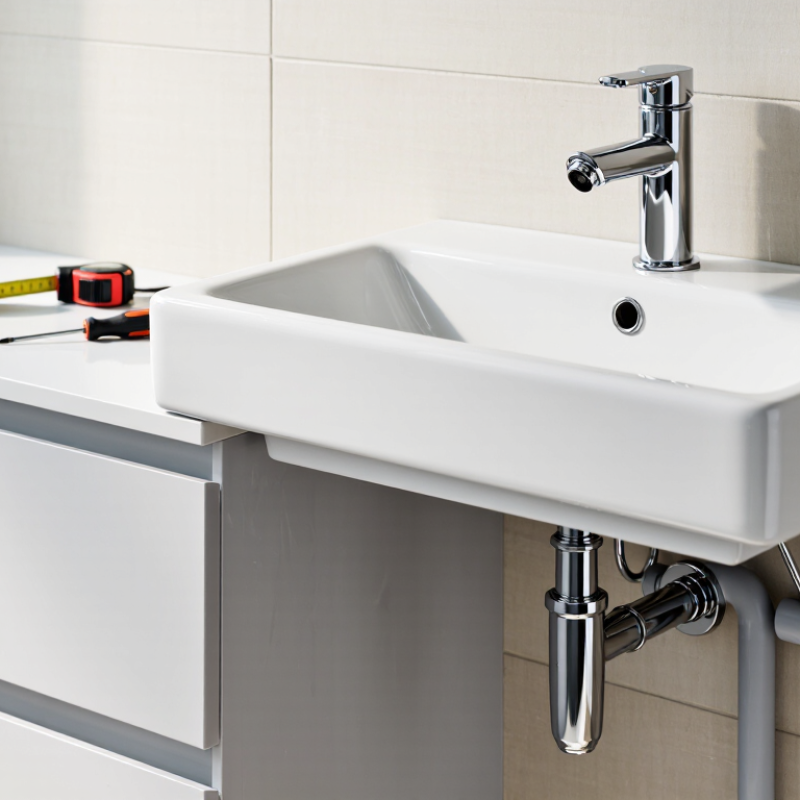
Understand Lavatory Drain Types and How They Work
A lavatory drain does more than carry water away. Its stopper controls flow, while the drain body connects the basin to the plumbing below. Knowing how each type works can make everyday use easier and help prevent leaks.
A pop-up drain uses a stopper linked to a small lever behind the faucet. Pressing or lifting the lever raises or lowers the stopper. It is convenient, but hair and soap can collect around its moving parts. A lift-and-turn drain works by hand: twist the stopper to open or close it. Fewer linked parts can mean simpler maintenance. It may feel stiff if residue builds up, though. A grid drain has no stopper, so water flows continuously. It suits basins that do not need to hold water.
Fit matters as much as mechanism. Some basins have an overflow opening near the rim; others do not. The drain must match that design, or water may not move as intended. Check the drain opening, basin thickness, and supplied gasket before buying. A seal that looks snug can still leak after installation. Run water, then inspect beneath the basin with a dry cloth. Small details are easy to overlook. The “best” drain depends on how you use the sink, not just how it looks.
How to Choose the Right Lavatory Drain? - Understand Lavatory Drain Types and How They Work
| Drain Type | How It Works | Typical Advantages | Considerations | Often Suited To |
| Pop-Up Drain | A lift rod behind the faucet moves a linkage beneath the sink, raising or lowering the stopper. | The stopper is operated from the faucet area; the drain can be closed to hold water. | The rod and linkage take space under the basin and may need adjustment or cleaning. | Traditional installations with a faucet that has a lift-rod opening. |
| Push-Button / Click-Clack Drain | Pressing the stopper toggles it between open and closed positions using a spring-loaded mechanism. | Simple top-side operation and no lift-rod linkage behind the faucet. | The stopper mechanism may need occasional cleaning; check that its height suits the basin. | Many contemporary basins and faucets without a lift rod. |
| Lift-and-Turn Drain | The user lifts and turns the stopper to open or close the drain; a threaded post holds its position. | Straightforward operation with no faucet linkage. | The stopper must be accessible and may need to be unscrewed for thorough cleaning. | Basins where a manually operated stopper is preferred. |
| Grid / Strainer Drain | A fixed perforated or slotted cover lets water pass while helping catch larger debris; it usually does not seal the drain. | Few moving parts and continuous drainage without operating a stopper. | It generally cannot hold water; confirm whether a separate stopper is needed. | Vessel or utility-style basins where a permanently open drain is suitable. |
| Open / Free-Flow Drain | An open drain fitting allows water to flow through without a closing stopper. | Provides continuous drainage and has no stopper mechanism to operate. | It cannot retain water; verify basin and local plumbing requirements before installation. | Basins designed to remain open-draining. |
Fit check: Match the drain to the basin’s drain-hole size and overflow design. A basin with an overflow generally needs a drain assembly with overflow openings; a basin without an overflow generally needs a non-overflow drain. Also check the drain-tailpiece connection, available space below the basin, and whether the faucet includes a lift-rod mechanism.
Match the Drain Style to the Sink and Overflow Design
Choosing a lavatory drain starts with the sink’s overflow design, not just its finish. A basin with an overflow channel needs a drain body with openings that connect to that channel. These small side ports let excess water flow into the drain instead of spilling over the rim. Check the sink’s product details or inspect the opening near the top of the basin. Easy to miss. A basin without an overflow needs a non-overflow drain; using the wrong style can prevent proper drainage or create leaks.
The stopper style matters, too. A pop-up drain is convenient when the faucet has a lift rod, but the rod and drain parts must be compatible. A push-button or lift-and-turn stopper can work well when there is no faucet rod to operate. For a shallow vessel sink, check the drain’s height and stopper clearance so the parts do not crowd the basin. Measure the drain opening and confirm the tailpiece connection before buying. Sink dimensions can vary, even when two basins look nearly identical. That’s worth a second check. If the overflow layout or drain size is unclear, consult the sink specifications or ask a qualified installer before fitting the parts.
Measure the Sink and Confirm Plumbing Compatibility
How to Choose the Right Lavatory Drain?
Measure the sink opening before choosing a drain. A ruler or tape measure can help, but check the manufacturer’s specifications too. The visible opening may not match the drain’s required fit. Note the sink’s depth and whether it has an overflow hole. An overflow drain needs openings that align with the sink’s overflow channel; a sink without one usually needs a non-overflow drain. Small mismatch, big annoyance.
Then check the plumbing below the basin. Measure the existing drainpipe diameter and note its position relative to the sink outlet and wall trap. Make sure the drain’s tailpiece can connect without forcing pipes into an angle. Also check the available space beneath the basin, especially if drawers or a pedestal limit access. I once assumed a standard-looking sink would use a standard drain. It did not. Checking the product dimensions first would have saved a return trip.
Tips: Take photos under the sink, and bring your measurements when comparing drain specifications. Confirm whether the drain includes the needed gasket and whether its stopper mechanism suits your faucet setup. If measurements seem unclear, ask a qualified plumber to verify the connection before installation. A careful fit matters more than a quick guess.
Compare Materials, Installation Needs, and Maintenance
Choosing a lavatory drain means matching its material to the basin, water conditions, and cleaning habits. Stainless steel resists everyday corrosion and suits a clean, simple look. Brass is sturdy, but its finish can show scratches or mineral spots. Plastic drains are lightweight and often easy to fit, though threads can be damaged by overtightening. Material alone does not guarantee a good seal. Check that the drain’s dimensions match the sink opening and that its gasket sits flat.
Installation details matter. A pop-up assembly has more moving parts than a simple grid drain, so hair and soap can collect around its linkage. Measure the basin thickness and confirm the drain works with the existing trap before buying. If the tailpiece sits too high, water may drain slowly; forcing parts into alignment is a poor fix. I still recheck the seal after installation, because a dry first test can miss a slow leak.
Maintenance is practical, not glamorous. Wipe away residue and inspect the flange, gasket, and connections for moisture. U.S. EPA leak guidance reports that household leaks can waste nearly 10,000 gallons of water annually; some homes lose 90 gallons or more each day. That figure covers household leaks broadly, not lavatory drains alone, but it makes routine checks worthwhile. Look beneath the basin with a dry tissue after running water. A small damp mark deserves attention.
Choose a Drain That Fits Your Budget and Local Requirements
How to Choose the Right Lavatory Drain?
Choose a Drain That Fits Your Budget and Local Requirements
A good lavatory drain should match the basin’s outlet, overflow design, and faucet setup. Measure the opening before shopping; a drain that looks right may still need an adapter. Compare the full installed cost, not just the package price. Include the drain assembly, plumber’s labor, and any replacement parts. The cheapest option is not always cheaper later.
Local plumbing requirements can affect permitted materials, connections, and installation details. Confirm the rules with your local building department or a licensed plumber before buying. Requirements vary by location, so avoid relying on a general online size guide. Small details matter. For context, the U.S. EPA’s WaterSense bathroom-faucet guidance says certified faucets use no more than 1.5 gallons per minute, at least 30% less than standard 2.2-gpm faucets. A drain does not create those savings, but choosing compatible fixtures helps avoid an awkward installation.
Tips: Bring the basin’s model details and a photo of its underside to the store. Check whether it has an overflow opening, then choose a matching drain. Ask for a written estimate that separates parts from labor. It may feel like extra effort, but guessing can mean another trip—or a return visit from the plumber.