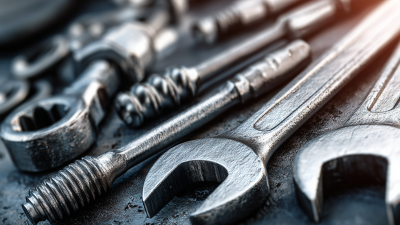
What are Heavy Duty Tools and Why Do You Need Them?
In the world of construction and home improvement, Heavy Duty Tools have become essential. These tools are designed to withstand rigorous use and heavy workloads. According to industry expert Mark Johnson, "Heavy Duty Tools are a necessity for anyone serious about their projects." His insights highlight the importance of investing in reliable equipment.
Using Heavy Duty Tools can enhance efficiency and precision. For instance, power drills, saws, and wrenches come in heavy-duty versions offering increased durability. However, not all heavy-duty tools are created equal, and quality can vary. It’s crucial to choose the right tools for specific tasks. A poorly made tool can lead to frustration and even accidents.
Many users overlook maintenance, which is vital for longevity. Proper care ensures tools remain effective over time. Ignoring maintenance can lead to costly repairs or replacements. Reflecting on the importance of Heavy Duty Tools reveals a commitment to quality and safety in work. Investing wisely can lead to professional results in every project.
Understanding Heavy Duty Tools: Definition and Purpose
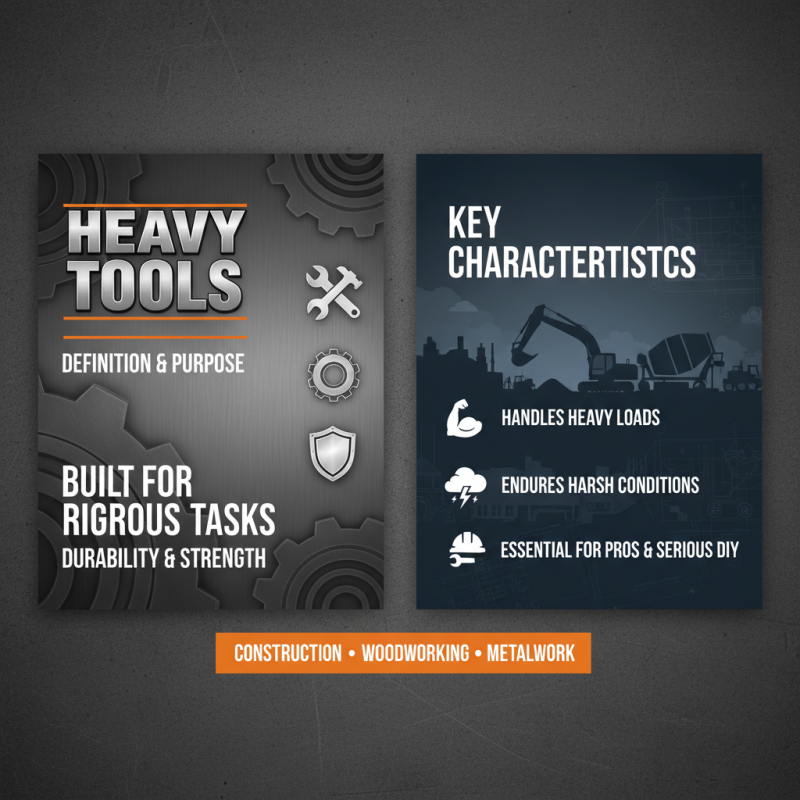
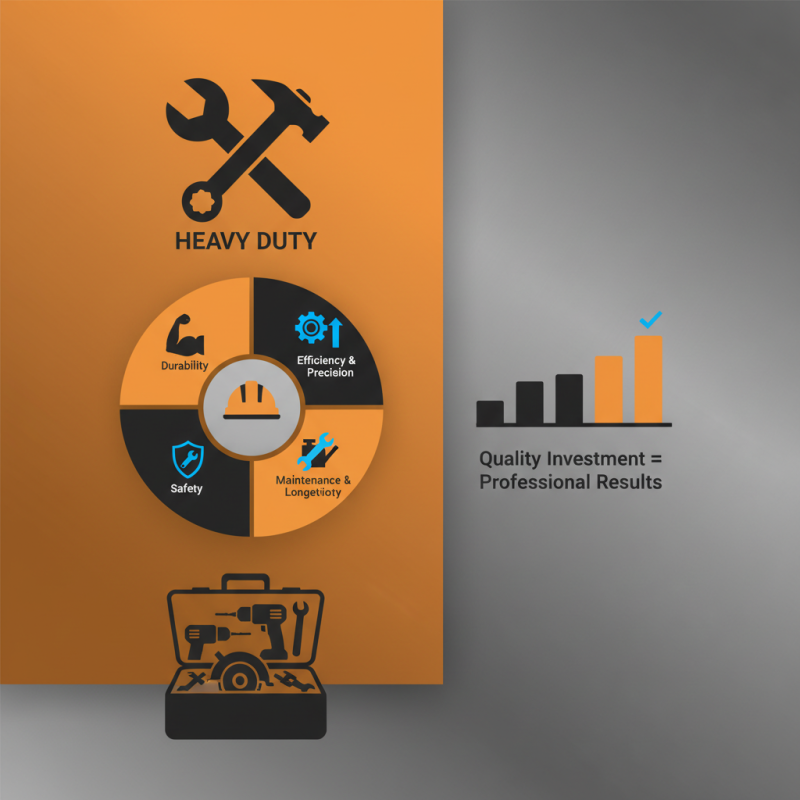
Heavy duty tools are designed for rigorous tasks. They stand apart from standard tools due to their durability and strength. These tools can handle heavy workloads and harsh conditions. Whether in construction, woodworking, or metalwork, they are essential for professionals and serious DIY enthusiasts alike.
Using heavy duty tools increases efficiency. They allow for precision and speed in tasks that require tough handling. While they can be more expensive, their longevity often offsets the initial cost. Investing in quality tools can save money in the long run.
Tips: Always assess your needs before purchasing. Consider the type of projects you will tackle. Look for tools with good warranties. This ensures better value and reliability. Remember, the right tool can make a significant difference in the outcome of your work. Don't rush into buying; take your time to research.
Key Features of Heavy Duty Tools for Enhanced Durability
Heavy-duty tools are essential for professionals and serious DIY enthusiasts alike. These tools are designed to withstand extreme conditions and heavy workloads. One key feature of heavy-duty tools is their high-quality materials. Steel and reinforced alloys are commonly used to ensure strength and longevity. According to a report by the American National Standards Institute (ANSI), tools made from high-grade materials can last up to 50% longer than standard tools under rigorous use.
Another critical aspect is enhanced ergonomic design. Heavy-duty tools often come with improved grips and weight distribution. This design reduces the strain on the user, promoting safety and efficiency. A study by the Occupational Safety and Health Administration (OSHA) noted that proper ergonomic tools can lower workplace injuries by up to 30%. This data emphasizes the importance of choosing tools that not only perform but also protect the user.
Lastly, modularity is becoming a benchmark in heavy-duty equipment. Tools that allow interchangeable parts can adapt to various tasks. This versatility means fewer tools are needed, saving both money and maintenance time. However, achieving durability without compromising weight remains a challenge for manufacturers. Striking the right balance is crucial for users who need both mobility and strength.
What are Heavy Duty Tools and Why Do You Need Them? - Key Features of Heavy Duty Tools for Enhanced Durability
| Tool Type |
Material |
Durability Rating |
Typical Uses |
Weight (lbs) |
| Heavy Duty Drill |
Steel & Composite |
5/5 |
Construction, Metalwork |
8.5 |
| Industrial Sander |
Aluminum & Plastic |
4.5/5 |
Woodworking, Furniture |
7.0 |
| Heavy Duty Impact Wrench |
Magnesium & Steel |
5/5 |
Automotive, Construction |
10.0 |
| Reinforced Angle Grinder |
Steel Body |
4.8/5 |
Metal Cutting, Grinding |
5.5 |
| Heavy Duty Circular Saw |
High-Performance Steel |
4.7/5 |
Lumber Cutting, Framing |
12.0 |
Common Applications of Heavy Duty Tools in Various Industries
Heavy-duty tools play a crucial role in numerous industries, including construction, manufacturing, and automotive. These tools are designed for intense tasks that require more strength and durability than regular tools. For instance, a heavy-duty drill can handle metals and dense materials that typical drills cannot.
In construction, heavy-duty tools like impact wrenches and angle grinders improve efficiency. Workers can complete tough jobs in less time. For automotive repair, specialized equipment such as heavy-duty jacks enables mechanics to lift vehicles safely. This is essential when performing maintenance or repairs that require access to the underside of the vehicle.
Tips: Always inspect tools before use. A cracked or worn tool can lead to accidents. Also, training is vital. Workers should know how to operate heavy-duty equipment safely.
Beyond construction and automotive use, these tools are essential in manufacturing. Heavy-duty saws and presses facilitate the cutting and shaping of heavy materials. The wrong tools can lead to subpar results or unsafe conditions.
Tips: Invest in quality tools. It pays off in the long run. Keep them maintained for optimal performance. Regular maintenance checks prevent unexpected failures during critical tasks.
Benefits of Using Heavy Duty Tools for Professionals and Enthusiasts
Heavy duty tools are essential for both professionals and DIY enthusiasts. They offer durability and reliability in demanding conditions. According to a report by the National Tooling and Machining Association, over 70% of construction professionals prefer high-quality tools for their projects. These tools withstand wear and tear better than standard options, making them a worthwhile investment.
Using heavy duty tools can lead to enhanced efficiency. A study from the Construction Industry Institute reveals that using durable tools reduces downtime by 40%. Professionals can complete tasks faster and with fewer interruptions. This advantage is crucial in competitive fields where time is money. The longevity of these tools also means fewer replacements and repairs, ultimately saving costs in the long run.
However, not all heavy-duty tools guarantee success. They still require proper handling and maintenance. A skilled operator can maximize tool efficiency while reducing accidents. The responsibility falls on the user to invest time in learning about their tools. This commitment can make a significant difference in performance. The relationship between tool quality and operator experience cannot be overlooked. High-quality tools in untrained hands may lead to unsatisfactory results.
Benefits of Using Heavy Duty Tools
Selecting the Right Heavy Duty Tools for Your Needs and Projects
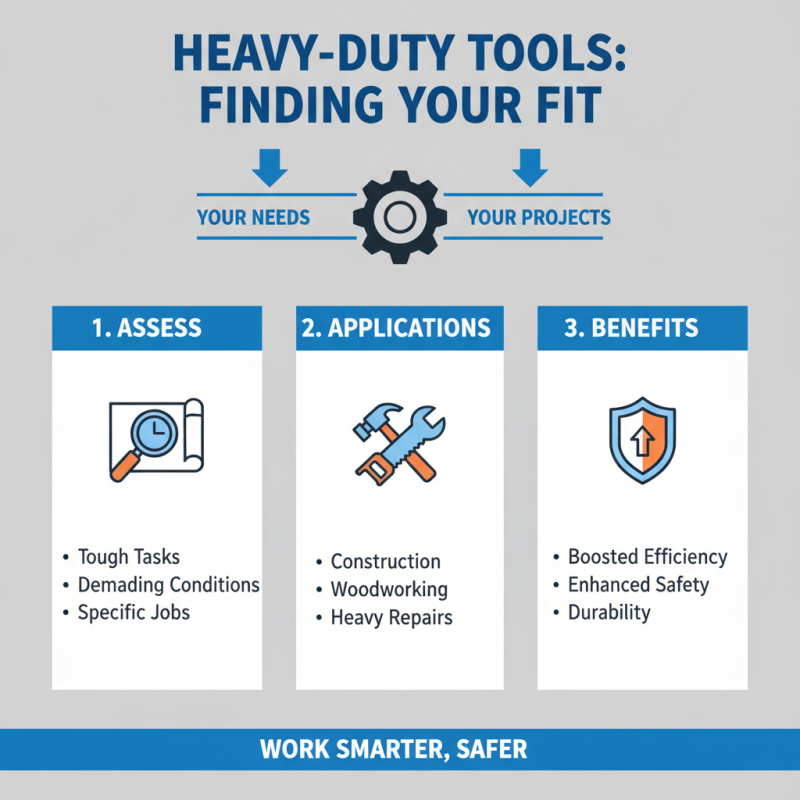
When selecting heavy-duty tools, consider your specific needs. These tools are designed to handle tough tasks and withstand demanding conditions. They are ideal for construction, woodworking, and heavy repairs. The right tools can enhance your efficiency and ensure safety during projects.
Tips for choosing the best heavy-duty tools include evaluating the materials used in their construction. Look for tools made from high-quality steel or alloys. They tend to offer better durability and performance. Additionally, consider the weight of the tools. Heavier tools might provide better stability but can lead to fatigue over time.
Always assess your project requirements. Not every task demands the most robust tool available. Sometimes, a mid-range option may suffice. Balancing power and precision can lead to better results. Keep the size of the work area in mind. Larger tools may be unwieldy in tight spaces. The right tool makes a tangible difference in the outcome of your work.