Hdpe Welding Tips for Efficient and Durable Connections?
Hdpe Welding is a critical process in various industries, known for creating robust connections. These connections must endure diverse conditions. However, many overlook essential tips that can significantly improve the quality of these welds.
To ensure effective hdpe welding, attention to detail is paramount. Proper surface preparation plays a crucial role. Contaminants like dust and grease can weaken joints. Additionally, choosing the right temperature settings is essential. Too high a temperature can damage the material, while too low can lead to incomplete welds.
Welding techniques also matter. Each project may require a unique approach. Mistakes during hdpe welding can lead to leaks or failures. Learning from past mistakes can enhance your skills. Continual practice and seeking advice from experts can foster growth in this area. Emphasizing quality and reliability will ultimately lead to stronger, longer-lasting connections.
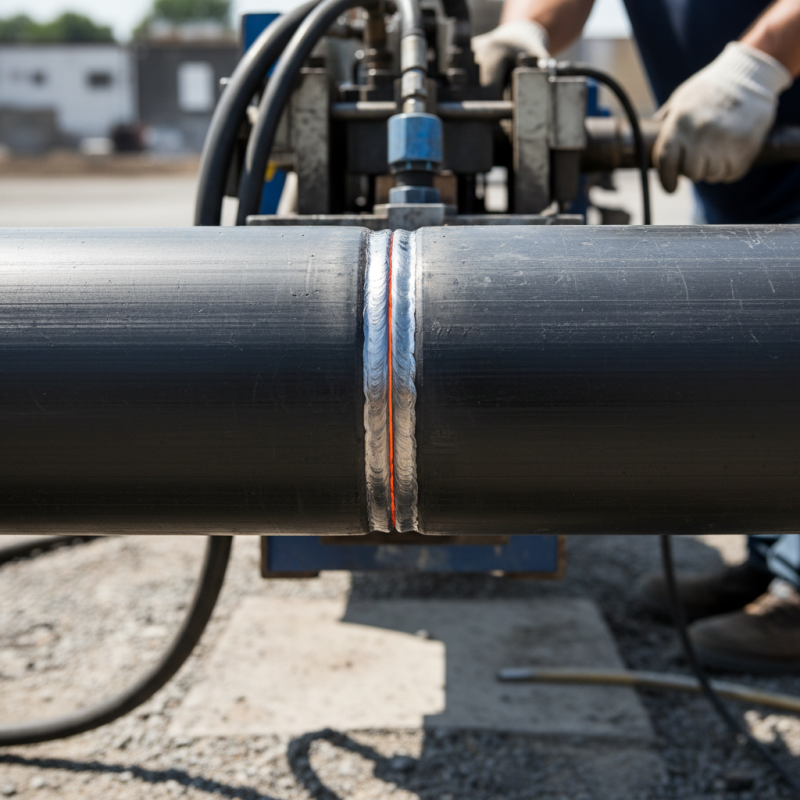
Understanding HDPE Material Properties for Effective Welding
Understanding the properties of HDPE is crucial for effective welding. HDPE, or High-Density Polyethylene, is known for its strength and resistance to impact and chemicals. Its melting point typically ranges from 120°C to 180°C, depending on the specific grade. This variable can complicate welding processes. A report from the American Society for Testing and Materials (ASTM) notes that the optimal welding temperature is key; too high may degrade the material, while too low creates weak joints.
The crystalline structure of HDPE influences its welding behavior. This material exhibits low thermal conductivity, making it essential to manage heat distribution during welding. Studies indicate that improper heat management can result in warping or incomplete fusion, leading to potential failures in applications. Additionally, it is important to ensure cleanliness on the surface being welded. Contaminants can lead to poor adhesion and weak connections. As highlighted in industry research, over 30% of HDPE weld failures stem from surface impurities.
HDPE's expansion and contraction characteristics demand attention during thermal processes. It can expand by 1.5% to 2.5% when heated. Welders must account for this factor when planning for joint fittings and tolerances. Therefore, a detailed analysis of the project requirements and conditions is critical for achieving strong connections. Data suggests that meticulous preparation and attention to HDPE’s properties can significantly enhance the durability of the welds, ultimately leading to more efficient installations.
Essential Equipment for HDPE Welding: Tools and Technologies
HDPE welding demands precise tools and technologies to ensure efficient and durable connections. The essential equipment includes welding machines, fusion tools, and proper personal protective equipment (PPE). Data from the American Welding Society indicates that about 20% of welding failures can be traced back to inadequate equipment. This underlines the necessity of investing in high-quality tools for HDPE projects.
Welding machines should be selected based on the specific application. For instance, butt fusion requires different settings than electrofusion systems. A report from the Plastic Pipe Institute highlights that using the right temperature and pressure significantly impacts joint quality. Workers must be trained in these parameters to avoid common pitfalls.
Personal protective equipment is equally important. Operators should wear suitable gloves and eye protection during the welding process. However, many underestimate the risks and overlook safety measures. Research shows that inadequate safety practices can lead to long-term health issues. Focusing on the right tools and proper safety equipment can drastically improve the quality and longevity of your HDPE welds.
Recommended Welding Techniques for Optimal HDPE Connection Strength
When it comes to HDPE welding, selecting the right techniques is crucial for achieving strong connections. Fusion welding, for instance, is a commonly used method. It involves heating the materials directly before joining them. A controlled temperature is key. Too hot, and the HDPE can degrade; too cool, and inadequate bonding occurs. Monitoring the welding machine’s settings closely can make a significant difference.
Another effective technique is extrusion welding. This method uses a filler material, which helps to create a more robust joint. The welding rod should match the HDPE type. It’s essential to maintain a steady feed rate. If the feed is too fast, it may lead to a weak bond. Aligning the nozzle correctly also impacts the outcome. Achieving precision in these steps requires practice and attentiveness.
Reflecting on past projects can lead to better results. Tracking failures is just as important as celebrating successes. Identifying where issues arose helps refine skills. Sometimes, environmental factors like wind or moisture can compromise the process. By acknowledging these challenges, welders can adapt their strategies effectively. It’s this continuous learning that builds expertise over time.
Hdpe Welding Tips for Efficient and Durable Connections
Quality Control Measures in HDPE Welding to Ensure Durability
Quality control is essential in HDPE welding. To achieve durable and efficient connections, maintaining strict standards is crucial. The American Society for Testing and Materials (ASTM) recommends specific procedures to evaluate the quality of welds. This includes visual inspections and non-destructive tests. Having skilled personnel conduct these assessments ensures results are reliable.
Proper training is necessary for welders. Statistics from industry reports indicate that nearly 30% of weld failures are due to human error. This highlights the importance of experience in welding techniques. Regular audits of welding operations can identify areas for improvement. Utilizing tools like ultrasonic testing can enhance quality control measures as well.
Environmental factors also play a significant role. Variables such as temperature and humidity affect weld formation. Reports show that inconsistent environmental conditions contribute to a 15% increase in defect rates. Therefore, monitoring these factors during the welding process is important. Continuous improvement in quality control practices is vital for achieving long-lasting HDPE connections.
Hdpe Welding Tips for Efficient and Durable Connections - Quality Control Measures in HDPE Welding to Ensure Durability
| Tip | Description | Quality Control Measure | Expected Outcome |
| Proper Joint Preparation | Ensure surfaces are clean and properly aligned before welding. | Visual inspection of joint surfaces before welding. | Minimized chance of defects and increased bond strength. |
| Correct Temperature Settings | Maintain optimal temperature for welding based on material thickness. | Regular calibration of welding equipment. | Improved weld quality and consistency. |
| Use of Proper Welding Rods | Select appropriate rods for the specific HDPE material. | Testing of rod specifications and compatibility. | Stronger and more reliable welds. |
| Post-Weld Inspection | Conduct inspections post-welding to identify defects. | Utilization of ultrasonic testing methods. | Early detection of weld flaws, reducing failure risk. |
| Environmental Control | Control ambient conditions to enhance welding performance. | Monitoring temperature and humidity levels during welding. | Fewer issues caused by environmental factors. |
Post-Welding Practices: Testing and Maintenance for Long-lasting Joints
Post-welding practices are crucial for ensuring the longevity of HDPE connections. After welding, inspecting the joints is essential. Visual checks can reveal obvious defects. It's vital to look for bubbles, gaps, or discoloration. Each of these issues can signal a weak point. A reliable inspection method involves a pressure test to measure the integrity of the welds. Using water or air, this test can pinpoint whether the connection will hold up under stress.
Maintenance should not be neglected. Regularly cleaning the surfaces helps in preventing dirt accumulation. Dirt can compromise the integrity of the weld over time. It's advisable to use soft brushes or cloths. Chemical cleaners can be harsh and should be avoided. If issues surface, consider re-evaluating the welding process. Perhaps the temperature was not optimal, or the feed speed was too fast. Reflecting on past projects can guide improvements. By focusing on these practices, one can ensure that their HDPE connections remain robust and effective.