
Blog
How to Find the Best Detachable Sunroom Supplier in China?
Choosing a Detachable Sunroom supplier in China takes more than comparing prices and polished catalog photos. The real test is whether a supplier can explain its design, materials, production process, and after-sales support clearly. Ask for close-up photos of frame joints, roof connections, door seals, and drainage channels. These details reveal more than a showroom image. Request specifications for the aluminum frame, glazing, hardware, and finish, then check that the proposed unit suits your site and intended use.
A supplier’s answers matter.
A low quotation can hide missing components, vague specifications, or unclear packing details. Request a written quotation that lists dimensions, included parts, packaging, lead time, and warranty terms. Ask how the company handles design changes and quality checks before shipment. If possible, review recent project evidence and speak with a previous buyer. Documents help, but they do not replace careful questions. And one unanswered detail can become a costly delay.
I can’t verify a real industry expert’s quotation from the material provided, so I won’t invent one or attribute words falsely. As a transparent editorial principle, consider this: “A dependable supplier makes the details easy to verify before the order is placed.” Use that standard when comparing candidates. This guide will help you assess communication, product capability, manufacturing evidence, and service readiness. It will also point out where buyers should pause and ask for clarification. A small imperfection in a sample may be fixable; vague answers about specifications deserve closer attention.
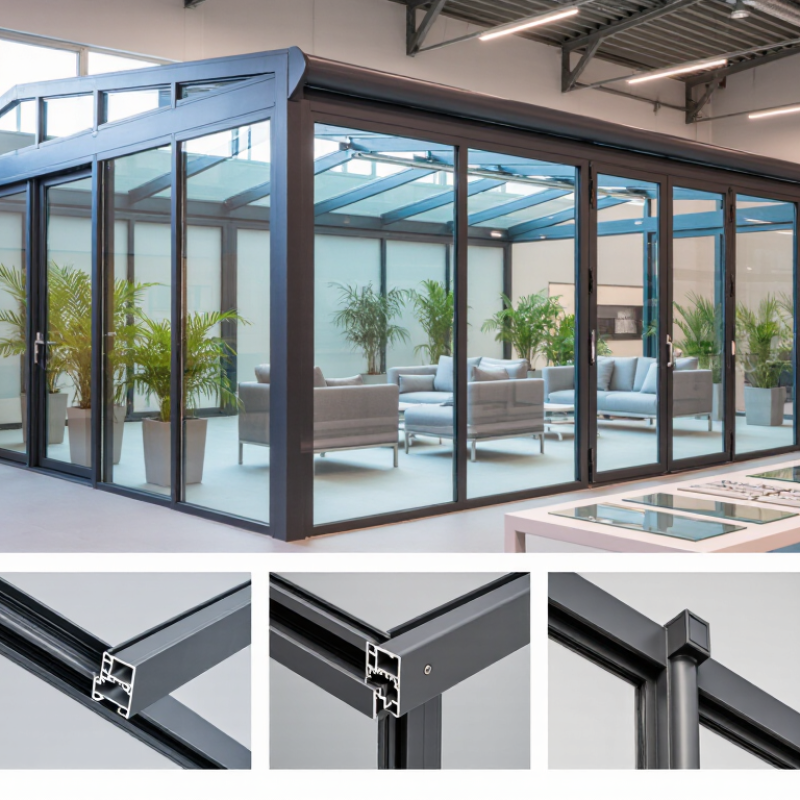
Define Your Detachable Sunroom Requirements
Define Your Detachable Sunroom Requirements
Before contacting suppliers in China, write a one-page brief describing the room’s use, dimensions, site conditions, and installation plan. Will it serve as a seasonal dining space or a year-round office? Record the opening width, roof height, foundation type, and preferred connection method. Include local wind, snow, rain, and temperature conditions. These details shape frame strength, glazing, roof design, drainage, and insulation. Small details matter. A narrow doorway can affect how large panels are packed and delivered.
Thermal performance deserves clear attention. UNEP’s 2024 Global Status Report for Buildings and Construction reports that buildings and construction accounted for 32% of global energy use and 34% of global CO₂ emissions in 2023. Those figures are not sunroom-specific, but they underline why glazing and insulation choices should match your climate and intended use. Ask suppliers for written material specifications, test documentation, connection details, and packing dimensions. Compare the same requirements across quotations; otherwise, a lower price may simply omit important components. I’d still revisit the brief after reviewing a sample drawing—drainage details are easy to overlook.
Tips: Send a marked-up site photo and a dimensioned sketch. Ask the supplier to confirm assumptions in writing, especially glass type, frame finish, roof pitch, and included hardware. Keep a record of unanswered questions.
How to Find the Best Detachable Sunroom Supplier in China? — Define Your Detachable Sunroom Requirements
| Requirement Dimension | Define Before Contacting Suppliers | Information or Evidence to Request | Why It Matters |
|---|---|---|---|
| Intended use | State whether the space is for seasonal dining, a garden lounge, a covered patio, or year-round use. | Ask for a written description of the product’s intended use and any stated limits on occupancy, weather exposure, or heating. | Intended use affects the required enclosure, glazing, ventilation, insulation, and applicable local approvals. |
| Installation location | Provide the country, region, site exposure, and whether the installation is coastal, sheltered, or exposed. | Request the design assumptions for local wind, snow, rain, and temperature conditions, and the supporting calculations or test documents where applicable. | Structural and weather requirements vary by location and site conditions. A generic product rating may not be suitable for every installation. |
| Overall dimensions | Record the available footprint, maximum height, roof projection, door locations, and any obstructions. | Ask for dimensioned plan and elevation drawings, plus confirmation of which dimensions are external, internal, or nominal. | Clear drawings help confirm fit, usable space, access, and compatibility with the existing building or patio. |
| Base and anchoring | Identify the existing surface, such as a concrete slab, deck, or prepared ground, and note its dimensions and condition. | Request base-frame details, anchoring locations, fixing requirements, and the supplier’s assumptions about the supporting surface. | A detachable structure still needs a suitable support and secure anchoring. The required foundation depends on the site and design. |
| Frame material and finish | Specify the preferred frame material, finish, and any requirements for corrosion resistance or color. | Request material and finish specifications, profile drawings, coating details, and care instructions. | Material and finish influence appearance, maintenance, durability, and suitability for the installation environment. |
| Roof configuration | Choose the roof shape and whether the priority is daylight, shade, drainage, or a combination. | Ask for roof-panel material and thickness, roof pitch, drainage or gutter details, and the stated design loads. | Roof design affects light transmission, water runoff, weather performance, and structural requirements. |
| Wall panels and glazing | Decide between glass, polycarbonate, or other offered infill, and identify whether clear, tinted, or opaque panels are needed. | Request panel specifications, safety-glazing information where relevant, light-transmission data if available, and replacement-panel details. | Panel choice affects visibility, weight, comfort, safety, maintenance, and the structure needed to support the enclosure. |
| Doors and ventilation | Specify door type, opening direction, clear opening width, access needs, and desired ventilation. | Request door and hardware drawings, screen options, ventilation details, and confirmation of which openings can be secured. | These details affect accessibility, everyday use, airflow, and the ability to close and secure the sunroom. |
| Detachable design | Define how often the structure may be assembled, dismantled, moved, or stored. | Ask for assembly instructions, connection details, required tools, estimated crew size, and guidance on repeated assembly. | “Detachable” can describe different connection systems; confirm that the design suits the expected installation and removal process. |
| Thermal comfort | Clarify whether the sunroom is seasonal or expected to be used in colder or hotter weather. | Request available insulation or glazing data, ventilation guidance, and any stated limitations on heating or cooling use. | A lightweight sunroom may not provide the thermal performance of a permanent, fully insulated extension. |
| Local approvals | Check local planning, building, property, and safety requirements before finalizing the design. | Ask for product drawings, material specifications, and any test reports or compliance documents relevant to the destination market. | Permit and code requirements depend on the location, size, use, and construction of the project; supplier documents do not replace local approval. |
| Packaging and delivery | Confirm the delivery address, access restrictions, unloading arrangements, and preferred shipping terms. | Request package dimensions and weights, packing details, a parts list, and a written breakdown of delivery responsibilities and costs. | Package size, handling equipment, and transport arrangements affect the practical cost and feasibility of delivery. |
| Installation support | Decide whether installation will be handled by your own team, a local contractor, or supplier-arranged labor. | Request an installation manual, assembly drawings, a parts-identification list, and details of remote or on-site support availability. | Clear installation information reduces assembly uncertainty and helps identify what skills, tools, and labor are required. |
| Quality checks | List the checks required before shipment, including dimensions, finish, panel condition, and completeness of hardware. | Agree on inspection points, document requirements, sample or pre-shipment inspection arrangements, and how nonconformities will be handled. | Written acceptance criteria make it easier to verify that the delivered product matches the approved drawings and specifications. |
| Warranty and spare parts | Identify the expected service life, likely replacement parts, and the support needed after delivery. | Request written warranty terms, exclusions, claim procedures, and availability of replacement panels, hardware, and seals. | Clear terms help set expectations for maintenance, repairs, and after-sales support. |
| Budget and scope | Set a target budget and specify whether it includes design, packaging, transport, taxes, installation, and site preparation. | Request an itemized quotation tied to the same drawings and specifications, with assumptions, exclusions, and payment milestones stated. | Comparable quotations require a consistent scope; a low headline price may exclude important project costs. |
Note: Treat performance figures, certificates, and compliance claims as project-specific items to verify against the product documents and requirements at the installation location.