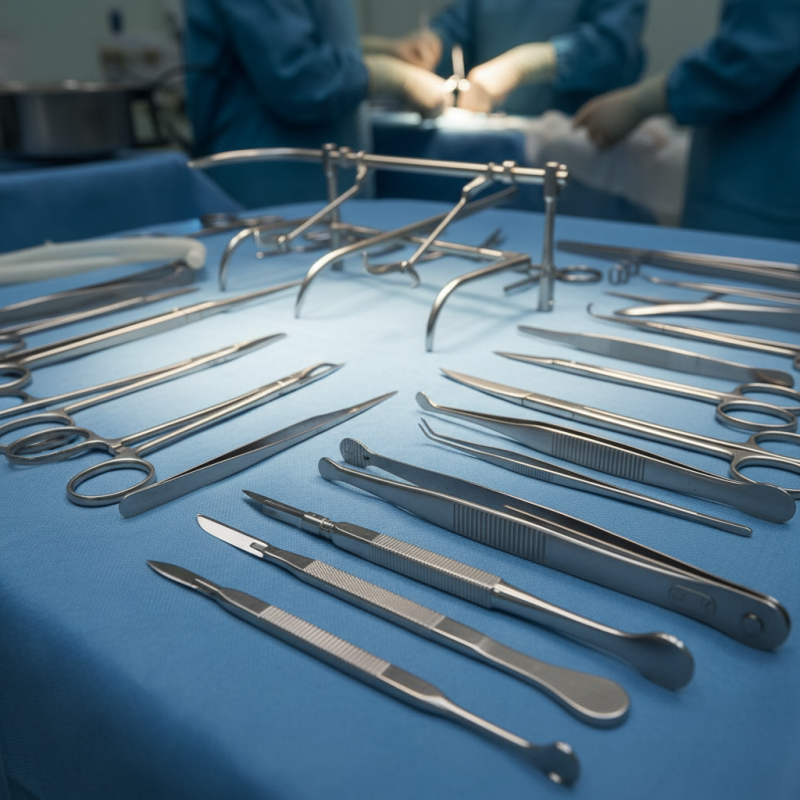
Essential Surgical Instruments Every Surgeon Should Know?
In the world of medicine, a surgeon’s toolkit is vital. Each Surgical Instrument plays a unique role in patient care. Understanding these tools can greatly impact surgical outcomes.
Surgical instruments come in various shapes and sizes. Scalpels, forceps, and retractors are common examples. A surgeon must be familiar with each tool’s purpose and usage. Some instruments might seem simple yet are essential for precise cuts and manipulations.
However, not all instruments are intuitive. New surgeons may struggle with certain tools at first. This learning curve is natural and necessary. Over time, proficiency develops with practice. Recognizing the importance of each surgical instrument fosters confidence. It ensures that every procedure runs smoothly, minimizing risks for patients.
Types of Surgical Instruments: A Comprehensive Overview
Surgical instruments are vital tools in every operating room. Each tool serves a specific purpose, and understanding them is crucial for effective surgical procedures. From scalpels to forceps, each instrument enhances precision and control. For example, scalpels are used for incisions, while forceps help grasp tissues. Surgeons rely on these tools to ensure the safety and success of the operation.
Different types of surgical instruments can be categorized based on their functions. Cutting instruments, like scissors, allow for precise cuts, while clamping instruments, such as hemostats, control bleeding. Scissors come in various shapes and sizes, catering to different surgical needs. It’s intriguing how a simple surgical tool can make a significant impact on patient outcomes. Yet, mastering their use is no small feat. Each instrument requires practice and familiarity.
Understanding the variety of surgical instruments is necessary, but it can also be overwhelming. New surgeons may struggle with the sheer number of tools available. While some instruments seem straightforward, others may confuse even seasoned professionals. Continuous learning and hands-on practice are essential to overcome these challenges. The journey of mastering surgical instruments is ongoing, filled with moments of reflection and growth.
Basic Handheld Surgical Instruments Every Surgeon Must Know
In the world of surgery, handheld instruments play a vital role. Each tool has a specific purpose and requires skill. A scalpel, for example, is essential for making precise incisions. The feel of the handle and weight affects control. Using it improperly can lead to unintended injuries. Aspiring surgeons must practice consistently.
Scissors are another fundamental instrument. They are used to cut tissues and sutures. The design varies depending on the specific task. Learning to choose the right scissors is crucial. Forceps assist in gripping tissues. Without proper handling, you may lose grip. This can lead to complications during procedures.
Understanding these tools is important. Mistakes can result in severe consequences. The challenge lies in mastering their use. Each instrument requires different techniques and finesse. Aspiring surgeons should spend time getting familiar with them. Practicing these skills will lead to better surgical outcomes.
Essential Surgical Instruments Every Surgeon Should Know
Specialized Surgical Tools for Different Medical Procedures
Surgeons rely heavily on specialized surgical instruments tailored for various medical procedures. Understanding these tools can enhance surgical precision and patient outcomes. For instance, scalpels are fundamental for making incisions. Different blade sizes can impact the depth and clean nature of the cut. According to a report from the American College of Surgeons, precision in incisions correlates directly with healing time.
Another essential category includes forceps, which grasp tissues during surgery. Different types, like hemostatic forceps, control bleeding effectively. Using the right forceps can reduce complications. In fact, studies show that using specialized tools decreases surgery duration by 15%. This highlights the importance of instrument knowledge.
Tips: Always familiarize yourself with the latest surgical tools. Attend workshops or online training sessions regularly. This knowledge fosters confidence in the operating room. Assess your instrument kit often. Having outdated tools can limit performance and increase risks. Embrace innovation, but don't forget the basics. Relying solely on advanced tools might degrade fundamental surgical skills. It's crucial to strike a balance.
Essential Surgical Instruments Every Surgeon Should Know
| Instrument Name | Description | Common Use | Surgical Specialty |
| Scalpel | A small knife with a very sharp blade used for surgery. | Incisions | General Surgery |
| Hemostat | Clamps that control bleeding by constricting blood vessels. | Hemostasis | General and Orthopedic Surgery |
| Scissors | Used to cut tissue and other materials. | Dissection | General Surgery |
| Forceps | Hand-held instruments used for grasping tissue. | Holding | General and Plastic Surgery |
| Needle Holder | A clamp-like instrument used to hold a suturing needle. | Suturing | General Surgery |
| Bovie | Electrosurgical tool used to cut tissue and cauterize blood vessels. | Electrosurgery | Various Specialties |
Instruments for Minimally Invasive Surgery: Key Essentials
Minimally invasive surgery has transformed the field, offering patients quicker recovery times. Surgeons rely on specific instruments to perform these delicate procedures. One crucial instrument is the laparoscope. It features a camera and light source, allowing surgeons to view the operation site without large incisions. This tool greatly enhances precision and minimizes tissue damage.
Another essential tool is the trocar. It creates entry points in the body. This allows the insertion of other instruments. However, using a trocar requires expertise. A misplaced trocar can lead to complications. Surgeons must practice extensively to master its use.
In addition, graspers and scissors specifically designed for minimally invasive techniques are vital. These instruments help in manipulating tissue, cutting, and suturing. Yet, they can also feel awkward. The surgeon's hands may struggle to find the right angles. Continuous training and experience are necessary to improve comfort and skill with these tools. Each instrument plays a significant role, but mastery takes time and patience.
Maintenance and Sterilization of Surgical Instruments for Safety
Proper maintenance and sterilization of surgical instruments are critical for patient safety. The Centers for Disease Control and Prevention (CDC) states that up to 5% of hospital patients acquire an infection linked to surgical procedures. Infection prevention begins with clean instruments. A recent report highlights that improper sterilization can lead to increased complication rates by 30%.
It's vital to follow strict protocols. Instruments must be cleaned, inspected, and sterilized between uses. Visual inspections reveal wear and tear. Instruments with cracks may harbor harmful bacteria. Regular training on sterilization techniques is essential for all staff involved. According to a study, only 70% of operating rooms adhere to recommended sterilization practices. This figure is concerning and invites further reflection on training and compliance.
Washing instruments in hot water may not eliminate biofilms. Instrument racks must be organized to prevent cross-contamination. Studies show that only 50% of surgical teams understand these risks fully. Focused education can improve these statistics significantly. Without addressing these gaps, patient safety remains at risk. As such, a robust system for maintaining surgical instruments is indispensable for every healthcare facility.