What is a Copper Filter Drier and How Does it Work?
A Copper Filter Drier is a crucial component in HVAC systems. It plays a significant role in maintaining efficiency and longevity. This device is designed to eliminate moisture and contaminants from refrigerants. By doing so, it helps prevent system failures and ensures optimal performance.
The functionality of a Copper Filter Drier relies on its ability to absorb moisture. Copper particles in the drier create a surface area that facilitates this absorption. This process is vital because moisture can lead to severe issues, such as corrosion and ice formation. The presence of contaminants can disrupt the refrigerant cycle and reduce efficiency.
While the technology behind Copper Filter Driers is well-established, not all products are created equal. Users must be cautious. It's essential to choose a reliable brand and understand proper installation techniques. A poorly installed drier can lead to significant problems in the HVAC system. Seeking professional advice may be beneficial. Investing in quality components is key to ensuring long-term reliability.
What is a Copper Filter Drier?
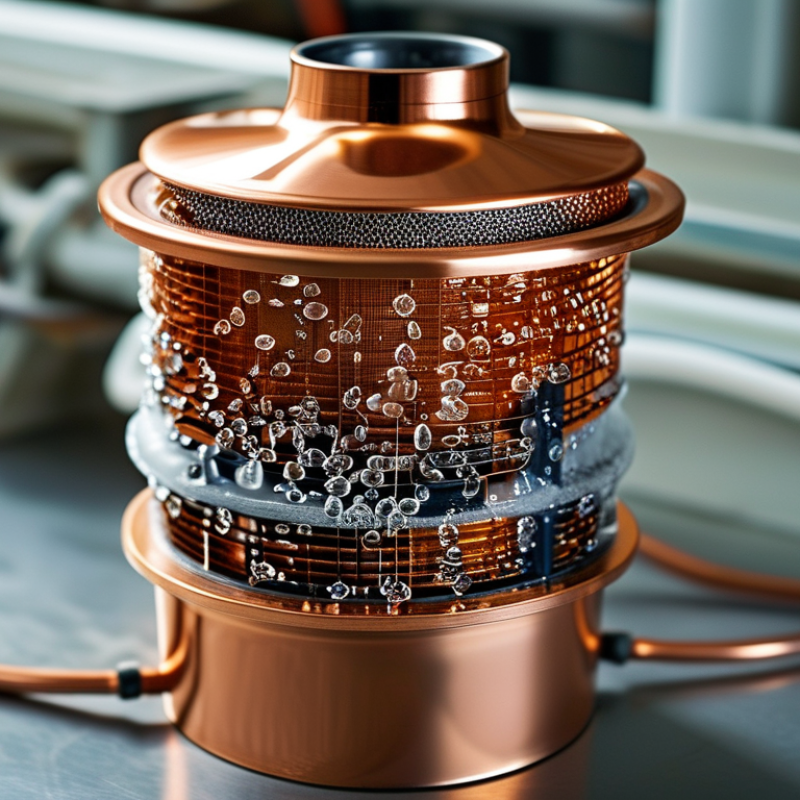
A copper filter drier is an essential component in refrigeration and air conditioning systems. It serves as a protective device, ensuring the longevity and efficiency of the system. The primary function is to remove moisture and contaminants from the refrigerant. This task is crucial, as moisture can lead to corrosion and failure of various system parts. The copper construction also provides excellent thermal conductivity, enhancing the overall performance.
Inside a copper filter drier, you’ll find desiccant material that absorbs moisture. The drier traps solid debris, preventing it from circulating within the system. Over time, however, it can become saturated. When this happens, the drier may fail to function effectively. Regular maintenance checks are essential to ensure optimal performance. You may notice signs like reduced cooling efficiency or unusual noises, indicating a need for inspection.
While copper filter driers are reliable, they require proper installation and upkeep. Incorrect placement can lead to inefficient operation. Understanding your system's requirements is vital. Lack of attention can result in higher energy costs and shorter system lifespan. Always consider consulting with a professional to ensure that your system runs smoothly. This step can save you time and money in the long run.
The Purpose of a Copper Filter Drier in HVAC Systems
A copper filter drier plays a crucial role in HVAC systems. It serves to remove moisture and contaminants from the refrigeration circuit. Excess moisture can lead to system failures and reduced efficiency. A drier prevents corrosion and keeps the refrigerant clean.
Inside the copper filter drier, there is desiccant material. This material absorbs moisture effectively. Filtration occurs, capturing particles that could impede airflow. Regular maintenance is essential, as a clogged filter can restrict refrigerant flow. This leads to overheating and potential breakdowns.
Additionally, the choice of a filter drier matters. Not all driers fit every system. Each HVAC unit has unique requirements. A mismatch can cause malfunction or inefficiencies. It's critical to consult with professionals to ensure the correct selection. Balancing efficiency and system longevity requires knowledge and careful consideration.
How a Copper Filter Drier Functions Step-by-Step
A copper filter drier is a crucial component in refrigeration systems. Its primary role is to remove moisture and contaminants from the refrigerant. Understanding how it functions is vital for maintaining system efficiency.
The filter drier operates through a multi-step process. First, refrigerant enters the unit. As it flows through, moisture is absorbed by the desiccant inside. This desiccant is usually a form of silica gel or activated alumina. Over time, the capacity of the desiccant can diminish, leading to efficiency issues. The copper material aids in heat exchange, ensuring the refrigerant maintains optimal temperatures as it passes through.
During operation, contaminants like dirt and acid can accumulate over time. This buildup can hinder performance, potentially leading to system failures. Inspecting and replacing the filter drier at regular intervals can prevent major issues. It's essential to be observant of your system's efficiency and address any irregularities promptly.
What is a Copper Filter Drier and How Does it Work? - How a Copper Filter Drier Functions Step-by-Step
| Feature | Description |
| Material | Copper is highly conductive and resistant to corrosion, making it ideal for filter driers. |
| Function | Removes moisture and contaminants from refrigerant in HVAC systems. |
| Types | Liquid line filter driers, suction line filter driers. |
| Installation Location | Typically installed in the liquid line of refrigerant systems. |
| Working Principle | Uses adsorption and filtration to capture moisture and particles as refrigerant flows through. |
| Maintenance | Regular inspection is recommended to ensure optimal performance and prevent blockages. |
| Lifespan | Typically designed to last for the life of the HVAC system, but can vary based on conditions. |
Key Benefits of Using Copper Filter Driers
Copper filter driers play a crucial role in HVAC systems. They remove moisture and contaminants from refrigerants, ensuring optimal performance. The use of copper materials enhances durability. Reports indicate that moisture can cause up to 30% of HVAC system failures. Thus, using a copper filter drier is essential for extending system lifespan.
One key benefit is the improved efficiency. With less contamination, systems operate smoothly. This efficiency can lead to energy savings of 10-15%. Reducing operational costs is a significant incentive for many businesses. Copper filter driers also have excellent thermal conductivity, promoting rapid heat exchange. This feature helps prevent overheating, a common issue in HVAC units.
**Tip:** Regular maintenance and replacement of filter driers can enhance system reliability. Check your filter drier every six months for signs of wear. Be mindful, though—neglecting maintenance could lead to minor leaks escalating into significant problems. The long-term benefits of investing in copper filter driers far outweigh the initial costs.
Common Issues and Maintenance of Copper Filter Driers
Copper filter driers play a crucial role in HVAC systems. They remove moisture and contaminants from refrigerants. Proper maintenance is essential to ensure their optimal performance. One common issue is clogging, which can occur due to debris accumulation. A clogged filter drier can lead to reduced efficiency. It’s important to check the drier regularly and replace it when necessary.
Another issue involves leaks. A compromised seal can result in refrigerant loss. This not only impacts system efficiency but also poses environmental concerns. Regular inspections can help identify potential leaks early. It’s vital to use proper tools and methods during maintenance to avoid further damage.
Lastly, monitoring the temperature and pressure of the refrigerant is key. Abnormal readings may indicate issues with the filter drier. Technicians should ensure they are trained in troubleshooting these systems. Investing time in routine maintenance can save money and extend the lifespan of the system. Regular attention to detail is crucial in preventing more significant issues down the line.