What is Cnc Tool Insert Benefits and Applications?
Cnc Tool Inserts play a crucial role in modern manufacturing processes. The global CNC machine tool market is projected to reach $112 billion by 2025, highlighting their importance. These inserts are designed for machining various materials with precision and efficiency. Their benefits include increased tool life and improved surface quality, which are essential for competitive production.
Studies indicate that using high-quality CNC tool inserts can boost productivity by up to 30%. This efficiency stems from reduced downtime and faster machining cycles. Companies that adopt advanced inserts often see a more significant return on investment. However, it's critical to choose the right material and coating for specific applications.
Despite these advantages, challenges remain. Not all inserts work well under every condition. Users must consider factors like cutting speed and material type. The learning curve can also pose hurdles for companies transitioning to advanced CNC tools. Understanding these aspects is vital for maximizing the potential of CNC tool inserts in any manufacturing setup.
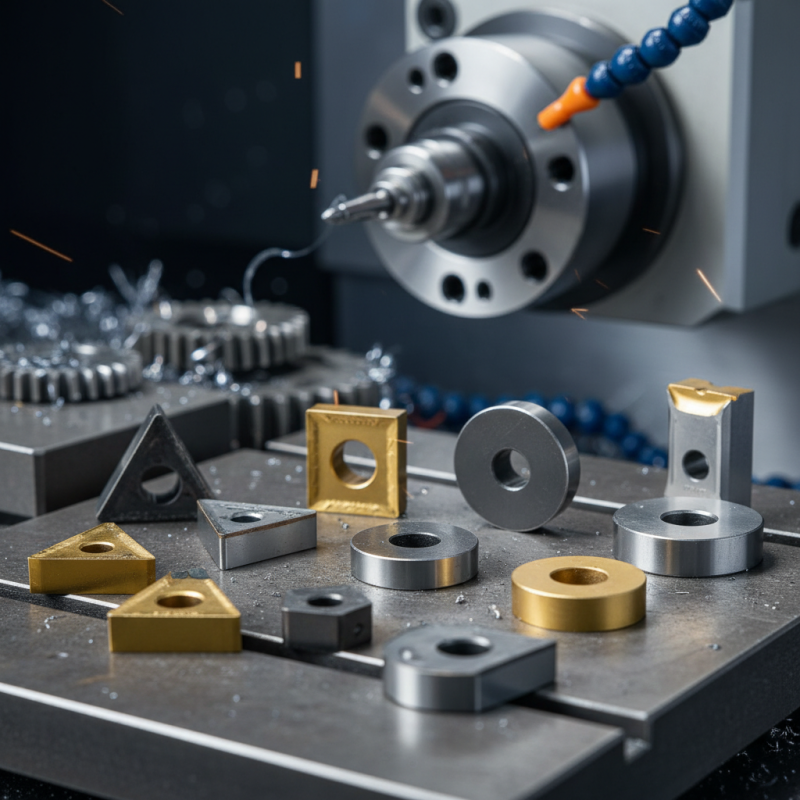
Benefits of CNC Tool Inserts in Modern Manufacturing Processes
CNC tool inserts are pivotal in modern manufacturing. They enhance machining efficiency and precision. The right insert can significantly reduce production time. This is crucial for industries where speed matters. Faster machining means more parts per hour, translating to better profits.
Using CNC tool inserts improves tool life considerably. High-quality inserts resist wear and damage better than traditional tools. They offer enhanced cutting performance and can handle complex geometries. This adaptability allows for a diverse range of applications across various materials. However, selecting the right insert for specific tasks can be challenging. Not every insert suits every project.
Additionally, CNC tool inserts can lead to higher energy efficiency. This reduction in energy consumption is an added benefit. However, some manufacturers may overlook the importance of regular maintenance. An insert that is not well maintained may fail prematurely. Understanding the capabilities and limitations of these inserts is essential for maximizing their benefits.
Benefits and Applications of CNC Tool Inserts
Overview of Different Types of CNC Tool Inserts and Their Applications
CNC tool inserts play a crucial role in machining operations. They are designed to be replaceable parts that enhance the efficiency and precision of cutting tools. Different materials are used for inserts, including carbide, ceramic, and high-speed steel. Each type has unique benefits, suited for varying applications. For example, carbide inserts are known for their hardness and versatility, making them ideal for general machining.
In terms of applications, inserts are widely utilized in turning, milling, and drilling. They can handle a range of materials, from soft plastics to hard metals. However, selecting the right insert requires careful consideration. Factors such as cutting speed, feed rate, and material type must be evaluated. Mistakes can lead to premature wear, affecting both quality and efficiency.
Inserts can also experience issues like chipping or breakage, necessitating regular inspection and maintenance. Understanding these limitations is crucial for maximizing the lifespan of CNC tools. Educating workers about proper usage is essential. The right knowledge can minimize errors and improve overall productivity in machining processes.
What is CNC Tool Insert Benefits and Applications? - Overview of Different Types of CNC Tool Inserts and Their Applications
| Type of CNC Tool Insert | Material | Benefits | Applications |
| Carbide Inserts | Carbide | High wear resistance, excellent hardness | Turning and milling operations |
| Ceramic Inserts | Ceramic | High temperature resistance, good hardness | High-speed machining of hardened materials |
| CBN Inserts | Cubic Boron Nitride | Exceptional hardness, long tool life | Finish turning of hardened steel components |
| PCD Inserts | Polycrystalline Diamond | High wear resistance, excellent thermal conductivity | Machining of non-ferrous metals and composites |
Comparative Analysis of Tool Insert Materials: Carbide vs. Ceramic vs. CBN
Choosing the right tool insert material is crucial for machining efficiency. Carbide, ceramic, and CBN (cubic boron nitride) each offer distinct benefits for different applications. Carbide inserts are widely used due to their toughness and versatility. According to a report from the International Journal of Advanced Manufacturing Technology, carbide tooling can withstand high temperatures and pressures, making it suitable for general-purpose machining in various metals.
Ceramic inserts, on the other hand, excel in high-speed operations. They can sustain cutting speeds up to 3 times higher than carbide inserts. However, they tend to be brittle, which can lead to chipping. A study published by the Engineering Toolbox highlights that although ceramics have a longer lifespan, they require proper conditions to avoid premature failure. Users must weigh the benefits against the more demanding machining environment.
CBN inserts provide an alternative for hard materials, especially ferrous alloys. They maintain their sharp edge for longer periods, reducing tool change frequency. However, they are often more costly. Industry data suggests that while CBN tools can be 20-30% more expensive, their longevity can offset costs through improved productivity. Understanding these nuances in different tooling materials helps machinists make informed choices.
Cost-Effectiveness of CNC Tool Inserts: Lifespan and Performance Metrics
CNC tool inserts offer significant cost-effectiveness through their longevity and performance metrics. According to industry reports, high-performance inserts can last up to five times longer than traditional tools. This extended lifespan reduces the frequency of tool changes, which optimizes production time and minimizes downtime.
The cost savings from CNC tool inserts significantly impact operational budgets. A recent analysis indicated that switching to advanced ceramic inserts could increase cutting speeds by 30%. This boost translates to higher productivity and more profit. Moreover, these tools exhibit superior wear resistance, leading to a more consistent product quality over time.
Yet, challenges remain. The initial investment in these advanced tools may be a barrier for some manufacturers. Additionally, selecting the right insert for specific materials can be complex and requires expertise. Even with these hurdles, the overall benefits—when effectively implemented—can outweigh the drawbacks. Investing in the proper training for staff on insert application can further enhance their effectiveness and drive home the advantages of CNC tool inserts.
Future Trends in CNC Tool Insert Technology and Industry Implementation
The future of CNC tool insert technology is rapidly evolving. Emerging materials and coatings enhance durability and performance. This advancement leads to more efficient machining processes. High-performance inserts reduce production time and costs. With these developments, manufacturers can achieve tighter tolerances.
A key trend is the integration of smart technology. Sensors embedded in tool inserts monitor wear and performance in real-time. This data enables predictive maintenance, minimizing downtime. Operators benefit from increased productivity and reduced manual oversight. However, there are challenges in implementing these technologies. Technical skills are necessary for effective use.
Tips: When choosing inserts, consider the material and coating type. Not all applications require the highest performance available. Small adjustments can lead to significant improvements. Monitor your tools regularly to identify wear early. Refining your selection process is essential as technology advances.