Top 5 Tips for Choosing the Right Filter Bag?
Selecting the right filter bag can be a daunting task. In the industry, expertise is crucial. Renowned filter bag expert, Dr. Jessica Lin, states, "Choosing the right filter bag can enhance efficiency and reduce costs." Her insight highlights the importance of informed decisions in this niche market.
When considering a filter bag, one should evaluate several key factors. Different materials offer varying levels of filtration. Knowing the specific application is essential. Size and airflow rates also influence performance significantly. A mismatch can lead to increased downtime.
Moreover, many overlook maintenance needs. Not all filter bags are easy to replace or clean. This aspect can affect operational efficiency. Therefore, it’s vital to ask the right questions before purchase. Reflecting on past choices can reveal improvement areas. Choosing the perfect filter bag requires time and research.
Understanding Filter Bag Types and Their Applications
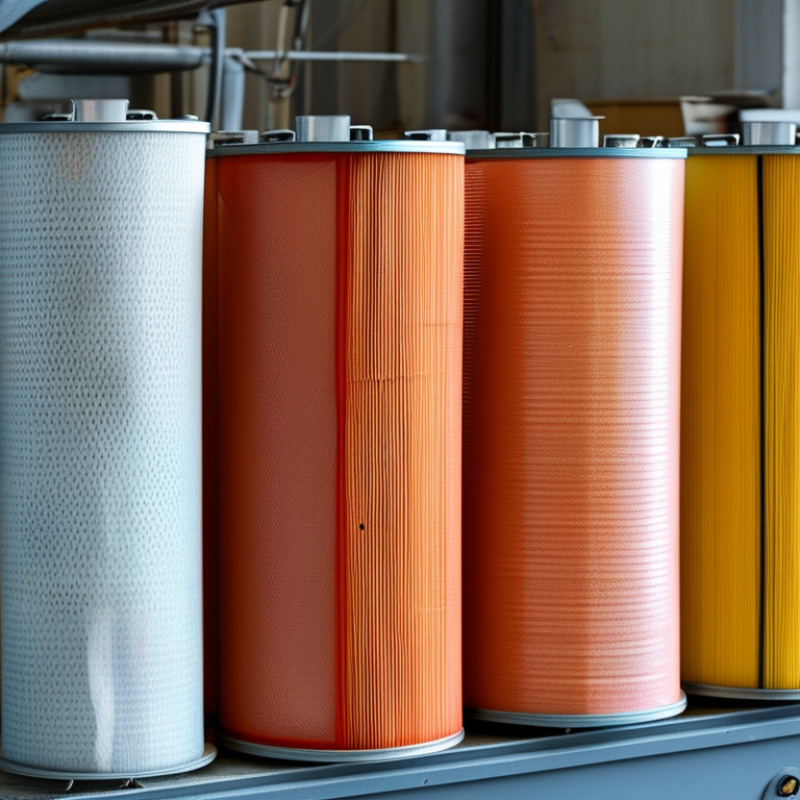
When choosing the right filter bag, understanding the types available and their specific applications is crucial. Filter bags are designed to capture particles from liquids or gases. The most common types include felt, woven, and mesh bags. Each type has its unique benefits depending on the filtration needs.
It's essential to consider the material of the filter bag. For example, felt bags effectively capture smaller particles. They’re often used in water treatment facilities. Mesh bags are ideal for larger particles but may not filter as finely. It's important to weigh these factors based on your needs.
Tip: Assess the environment in which the filter will be used. High temperatures or aggressive chemicals may require a different material. Consider the flow rate too. A bag that fits snugly can enhance efficiency but may also increase pressure drop, which is a point of reflection. Don’t overlook how frequently you change the bags; longer-lasting options may be more appropriate for cost-effectiveness.
Evaluating Material Durability and Chemical Resistance
Choosing the right filter bag goes beyond just size and shape. Evaluating material durability and chemical resistance is crucial. According to a recent industry report, over 70% of filter bag failures are linked to improper material selection. It underscores the importance of understanding the environment in which the bags will operate.
Material durability is foundational. High-quality filter bags often use synthetic fibers. These materials show higher resistance to wear and tear. Chemical resistance is equally critical. Many industrial applications expose filter bags to harsh chemicals. A report by the Filtration Society notes that nearly 30% of premature failures result from chemical degradation.
When selecting a filter bag, consider the specific chemicals involved. Conduct a compatibility test if unsure. Additionally, always verify the manufacturer's claims regarding material composition. This attention to detail can enhance your filtration efficiency significantly. Remember, the right choice today can prevent costly downtime in the future.
Assessing Particle Size Retention and Filtration Efficiency
Choosing the right filter bag is crucial for effective filtration. One key factor to evaluate is particle size retention. Different applications require different levels of filtration. Understanding what size particles need to be captured is essential. For instance, a bag that retains 1 micron particles is suitable for applications requiring fine filtration. However, if larger particles are the focus, a coarser mesh might suffice.
Filtration efficiency is equally important. This metric tells you how well a filter bag removes contaminants from the fluid. Efficiency can be influenced by the material of the filter bag and the flow rate. A higher flow rate might reduce the time a fluid spends in contact with the filter, affecting overall efficiency. Consider running tests to compare different bags. Analyze the results to determine which bag meets your needs best.
It’s common for users to overlook these details, leading to suboptimal choices. Reflecting on past selections can help identify gaps in understanding. Real-world testing often brings surprises about performance. Don't hesitate to adjust your criteria based on practical results. This iterative process fosters better decision-making for future filtration needs.
Top 5 Tips for Choosing the Right Filter Bag
This bar chart illustrates key characteristics to consider when choosing the right filter bag. It highlights the particle size range, the expected filtration efficiency, material durability, cost per bag, and maximum temperature tolerance. Evaluating each of these factors is crucial for determining the appropriate filter bag for your specific application.
Considering Filter Bag Size and Compatibility with Equipment
When selecting the right filter bag, size plays a crucial role. An improperly sized bag can lead to inefficiencies. Ensure the bag fits well within your equipment. Measure the dimensions of your existing setup carefully. A bag that is too large or too small can hinder performance. Sometimes, it’s tempting to choose a bag based solely on cost. Remember, the right fit often saves money over time.
Compatibility with your equipment is equally important. Different systems may require specific types of filter media. Investigate which materials work best with your machines. Some materials provide better filtration than others. If unsure, consult the equipment manual for guidance. This step can prevent potential damage and extend filter life. Reflecting on past choices can help avoid repeated mistakes.
Always think about the end goal. What particles are you trying to capture? The answer can dictate not only size but also material type. You might find yourself second-guessing your choice at times. That’s normal in the selection process. Don’t rush. Take the time to evaluate your needs fully. Engaging with expertise in the field can further refine your decision.
Exploring Cost-Effectiveness and Replacement Frequency
Choosing the right filter bag is crucial for optimal performance in various applications. Cost-effectiveness and replacement frequency play significant roles. According to industry reports, the average lifespan of filter bags can range from six months to two years, depending on usage. Understanding your specific requirements can help you decide how often to replace them.
Investing in high-quality filter bags may seem expensive upfront. However, studies show that they maintain efficiency longer than cheaper alternatives. A report by filtration experts suggests that premium filter bags can reduce replacement frequency by 30%. This prolongs intervals between changes and minimizes downtime.
Another consideration is material. Filter bags are available in different fabrics, each suited for specific applications. For example, synthetic materials can handle harsh chemicals better than natural fibers. However, they may have a higher initial cost. Balancing these factors can lead to a more effective filtration system. Evaluating total cost of ownership rather than just initial price is essential for making informed decisions.