How to Choose the Best Water Mist Hose for Your Needs?
Choosing the right Water Mist Hose can greatly impact efficiency. "Not all hoses are created equal," says John Anderson, a water management expert with over 20 years in the industry. His experience highlights the importance of selecting a hose tailored to your specific needs.
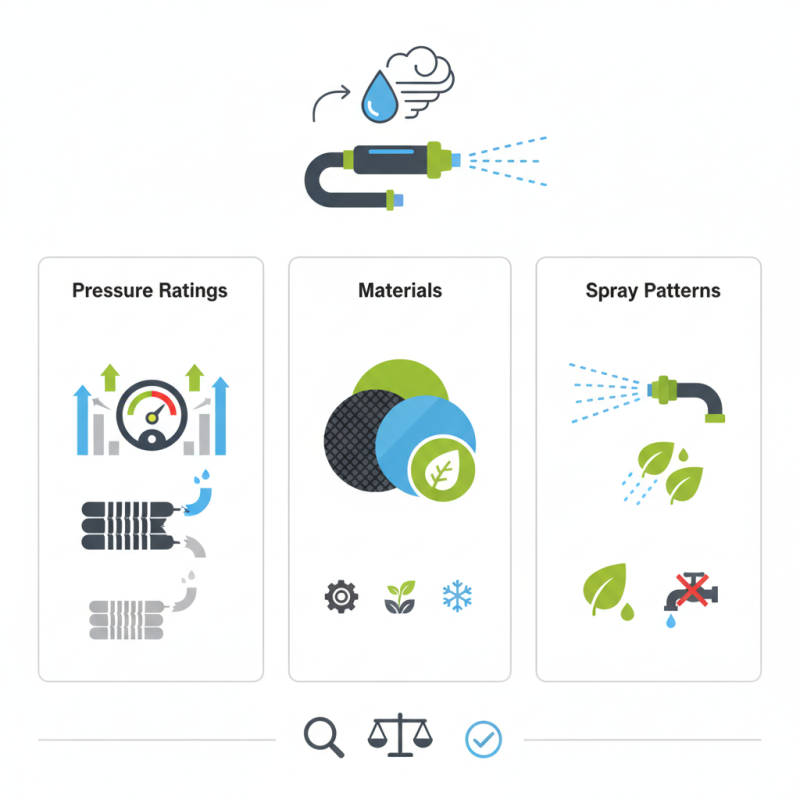
Water Mist Hoses serve various purposes, from agriculture to cooling systems. Understanding the features that matter is crucial. Consider pressure ratings, materials, and spray patterns. Each feature can affect performance. Many users overlook these factors, leading to disappointment later.
The market is flooded with options. However, not every choice meets your demands. Reviews and expert recommendations can guide your selection. It's essential to weigh the pros and cons carefully. Finding the right Water Mist Hose may take time, but the benefits are worth it. Quality hoses improve water efficiency while reducing waste.
Understanding Water Mist Hose Basics
Understanding water mist hoses is essential for selecting the right one. These hoses use fine droplets of water to control temperature and reduce dust. In industrial settings, they’re crucial for safety. A report from the International Society of Automation highlights that proper mist systems can lower temperature by 15°C in high-heat environments. This capability can improve workers' comfort and efficiency.
Water mist technology works by atomizing water into tiny droplets. This maximizes the surface area and enhances evaporation. Studies show reduced water usage by up to 90% compared to traditional sprinkler systems. However, it's important to note that not all systems offer equal efficiency. Some designs may not create optimal mist patterns, leading to uneven coverage.
Material quality is another consideration. Hoses made from durable materials resist wear and tear better but can be more expensive. Organizations often find that cheaper options can fail under pressure, leading to costly repairs. User feedback indicates a mixed experience with low-cost hoses, emphasizing the need for careful selection. The goal should be to balance cost with reliability and performance.
Evaluating Key Features of Water Mist Hoses
When choosing a water mist hose, it's essential to evaluate key features that suit your specific needs. A good water mist hose should be durable and resistant to wear. Look for materials that can withstand varying temperatures and elements. A flexible design enhances usability, making it easier to maneuver in tight spaces or around obstacles. The hose's length also matters; too short may not cover the area you need, while too long can cause pressure loss.
Pressure compatibility is another critical feature. Different applications require different pressure levels. Ensure the hose can handle the pressure you plan to use. Additionally, the nozzle's design plays a significant role in spray patterns. A well-designed nozzle delivers even mist coverage, maximizing efficiency during use.
It's crucial to pay attention to user feedback and reviews. Sometimes, the most talked-about features may not align with real-world applications. You might find that a highly-rated hose lacks the flexibility or weight you expected. Understanding these nuances will help you make a more informed decision. Aim for a balance of features that fit both your environment and everyday tasks. Your needs may evolve, so consider hoses that offer adaptability for future requirements.
Water Mist Hose Feature Evaluation
Identifying Your Specific Usage Needs
Identifying your specific usage needs is crucial when choosing the best water mist hose. Consider your intended application. Will it be for agricultural purposes, industrial cooling, or maybe even residential gardening? Each application demands different features. For instance, higher pressure ratings may be essential for commercial setups, while lighter hoses might suffice for home use.
Think about the environment too. Will the hose be exposed to sunlight, chemicals, or extreme temperatures? Select a material that withstands these conditions. If you plan to use it frequently, durability becomes essential. Lightweight options may ease mobility but could sacrifice longevity. Reflect on how often you’ll be using it—occasional use might justify a less durable option.
Finally, measure your space accurately. Long, unwieldy hoses are hard to manage. A compact design may be more suitable for tight areas. However, don't overlook the need for reach; inadequate length can limit effectiveness. Finding the right balance is key. Evaluate each factor based on your specific needs, and you may find the perfect water mist hose for your requirements.
Comparing Material Durability and Flexibility
When selecting a water mist hose, understanding material durability and flexibility is crucial. Different materials offer various levels of strength. For instance, some hoses made from reinforced rubber can withstand high pressure. These hoses resist wear and tear better than others, making them ideal for industrial use. However, they can be less flexible, which may limit their usability in tight spaces.
Flexibility is another key factor. A hose that bends easily can reach awkward angles without kinking. This is especially valuable in landscaping or vehicle maintenance. Yet, hoses made from softer materials may not last as long under harsh conditions. Sometimes, it is challenging to find a perfect balance between flexibility and durability. Users often face trade-offs based on their specific needs and settings.
Consider your environment when making a choice. For heavy-duty tasks, prioritize durability. In contrast, if ease of movement is most important, opt for a more flexible option. Test the hoses personally when possible to gauge their performance. Observing how they handle water pressure and movement can reveal much about their real-world reliability. Don’t overlook factors like sun exposure and temperature variations, as they significantly impact hose longevity.
Assessing Water Pressure and Flow Rate Requirements
When selecting a water mist hose, assessing the water pressure and flow rate is crucial. Proper pressure ensures efficient mist creation, while the right flow rate allows for adequate coverage. Industry studies indicate that optimal water pressure ranges from 40 to 80 PSI for most mist systems. Flow rates typically vary from 0.5 to 2 gallons per minute, depending on the application. Understanding these specifications will lead to better performance and satisfaction.
Tip: Measure your water supply pressure and flow rate before purchase. This step is often overlooked. Many users assume their existing systems are adequate, leading to subpar performance.
Another important aspect is the intended use of the water mist hose. Low-pressure systems are ideal for cooling applications, while high-pressure systems are better for dust control. A report from the International Society of Agricultural Engineers notes that mist systems can reduce temperatures by up to 30°F, showcasing their effectiveness in various settings. However, careful evaluation is needed.
Tip: Consult with professionals or refer to technical specifications to ensure compatibility. A lack of attention to detail could result in inefficient misting and increased costs over time.