How to Choose the Best Wardrobe Tube Support for Your Needs?
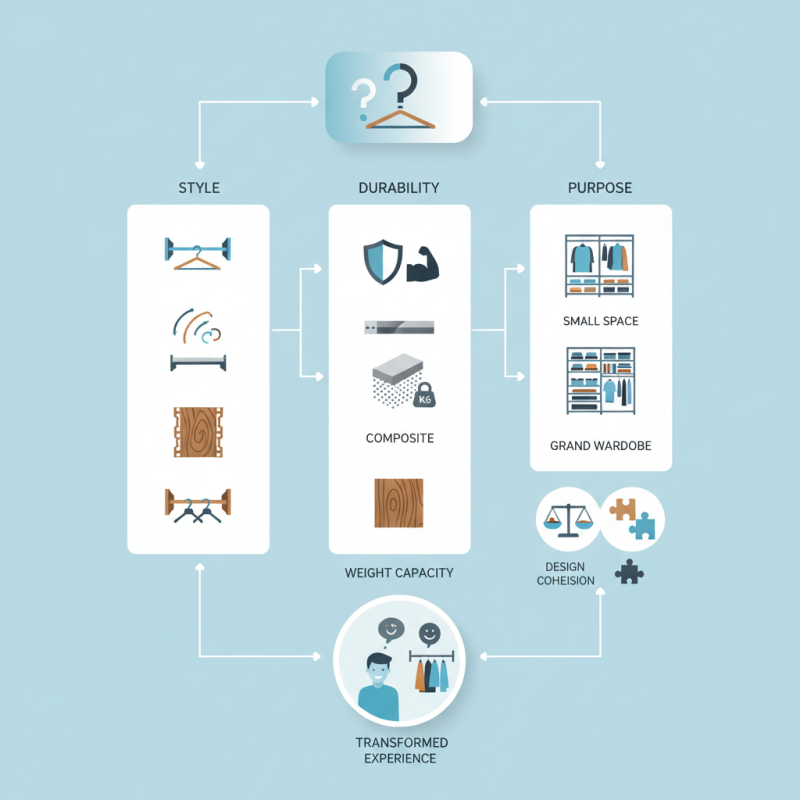
Choosing the right Wardrobe Tube Support can be challenging. Various factors come into play. Style, durability, and purpose are key considerations. An expert in the field, John Harper, states, "The right support can enhance both functionality and aesthetics." This highlights the importance of thoughtful selection.
When looking for Wardrobe Tube Support, think about your specific needs. Are you organizing a small space or creating a grand wardrobe? Each choice impacts your daily routine. It's easy to overlook details, like weight capacity and design cohesion. Many users find themselves frustrated by inadequate support.
Furthermore, personal preference plays a role. Some prefer sleek designs, while others value sturdiness. Reflect on what matters most to you. Finding the perfect fit may take time, but it’s worth the effort. Selecting the right Wardrobe Tube Support can transform your wardrobe experience.
Understanding the Functionality of Wardrobe Tube Supports
When choosing a wardrobe tube support, understanding its functionality is crucial. These supports provide stability for hanging clothes and can handle significant weight. A sturdy tube support prevents sagging, ensuring your garments maintain their shape. It helps protect delicate fabrics from creases and wrinkles.
**Tips**: Always check the weight capacity before purchasing. This ensures it can hold everything you need. Consider your wardrobe's design. The support should fit seamlessly into your space. Sometimes, a slightly longer or shorter support can make all the difference in organization.
The material of the tube support is also important. Metal options are usually more durable, while plastic ones may be lighter but less robust. When installed improperly, a support may fail. This not only causes a mess but can damage your clothes. Reflecting on your needs can lead to better decisions and improvements.
Evaluating Material Durability and Weight Capacity of Tube Supports
Choosing the right wardrobe tube support can greatly impact functionality and durability. Material durability is critical. A typical metal tube can handle up to 200 pounds. In contrast, plastic tubes often have a limit of around 100 pounds. This variance is crucial for heavy garments, like coats and suits. Sturdier materials resist bending. Weak structures can warp over time, which affects your storage efficiency.
Weight capacity also plays a significant role in determining the best choice. Reports show that inadequate weight support leads to collapse. Imagine a scenario where a support gives way; garments fall, creating a mess. This instability often results from poor material choices. In homes with extensive wardrobes, quality matters. A lightweight option may seem appealing but could fail under pressure.
Consider your wardrobe needs. Think about what you’ll store and how much weight that entails. Assessing both material and weight capacity allows for informed decisions. Investing in durable supports can prevent future frustrations. Reflecting on these aspects leads to smarter choices. It also ensures the longevity of your wardrobe.
Comparing Different Types of Wardrobe Tube Supports on the Market
When choosing a wardrobe tube support, consider the different types available. There are simple metal supports, plastic options, and even wood alternatives. Each type has its pros and cons, impacting durability and style. Metal supports are sturdy and long-lasting but may not suit every decor. Plastic ones are lightweight and often more affordable. However, they can break more easily. Wood supports add a classic touch but might need more maintenance.
Tips: Look for adjustable designs. They offer flexibility for different wardrobe heights. Always check the weight capacity. Some supports can only hold a limited amount. This detail is crucial to avoid accidents. Also, ensure the finish matches your wardrobe.
Consider your specific needs. If space is tight, go for compact supports. They are less intrusive. But if you have a walk-in wardrobe, you can opt for bulkier designs. Sometimes, it helps to visualize how each type of support fits into your space. Take measurements and consider your wardrobe’s interior. You might find that what looks good on a shelf doesn’t work practically.
Analyzing the Impact of Tube Support Design on Closet Organization
The design of tube supports plays a crucial role in closet organization. A well-designed support can maximize vertical space and keep clothes neatly arranged. Choose a support that allows for adjustable height. This helps customize your wardrobe according to your needs. Poorly designed supports can lead to clutter. Clothes may end up crumpled or wrinkled.
Tips for optimizing closet organization include grouping similar items. Hang shirts together and pants in another section. This strategy makes it easier to find what you need. Utilize all available space. Install additional shelves above the tube support. This area is often overlooked but can hold shoes or accessories.
Consider the weight capacity of the tube support. A flimsy option might collapse under heavy loads. It’s wise to invest in durability. Reflect on what you hang. Frequent items should be at eye level. Rarely used pieces can go higher. Simple adjustments can greatly improve functionality and aesthetics.
Assessing Cost-Effectiveness: Budgeting for Wardrobe Tube Supports
When budgeting for wardrobe tube supports, cost-effectiveness is essential. You'll encounter various price ranges. A lower price might save money initially, but could lead to future issues. Consider the quality. Cheaper options may not withstand regular usage. Look for sturdy materials and reliable designs.
Evaluate your specific needs. Do you have a large wardrobe? Heavy garments? If so, investing in higher-quality supports is wise. This can prevent frequent replacements. Also, remember the importance of aesthetics. Selecting an affordable yet visually appealing support can elevate your wardrobe's overall look.
Many people overlook the long-term savings of durable options. A tube support that lasts years will ultimately be more cost-effective than one that breaks after a few months. Reflect on your choices as you shop. Is the cheapest option truly the best for you? Quality might require a larger upfront investment, but it pays off in the end.