
Blog
How to Choose the Best Electric Marine Toilet?
Choosing an Electric Marine Toilet is less about chasing the most powerful flush and more about matching the system to your boat. A compact sailboat, a weekend cruiser, and a liveaboard vessel place very different demands on plumbing, electrical supply, and service access. A quiet pump sounds appealing at anchor. A unit that is difficult to clear or repair is less appealing.
The National Marine Manufacturers Association’s 2024 U.S. Recreational Boating Statistical Abstract tracks boat ownership and industry activity. It offers useful market context, but it does not identify one toilet type as best for every vessel. The U.S. Environmental Protection Agency’s vessel-sewage guidance also explains why onboard toilet systems must be considered alongside holding tanks and sewage-management equipment. Those details matter in practice: measure the installation space, check the toilet’s voltage and water-feed requirements, and confirm that hoses and service points remain reachable.
A trustworthy recommendation should come from a verifiable marine-systems specialist. No source articles or attributable expert quotation were provided here, so inventing a named expert’s words would undermine reliability. That gap deserves attention. This guide instead focuses on practical selection criteria: bowl size, flush-water use, noise, power draw, installation fit, spare-parts availability, and maintenance. The right choice is the one your crew can operate comfortably and service without dismantling half the cabin. Simple in theory. Less so in a cramped head at sea.
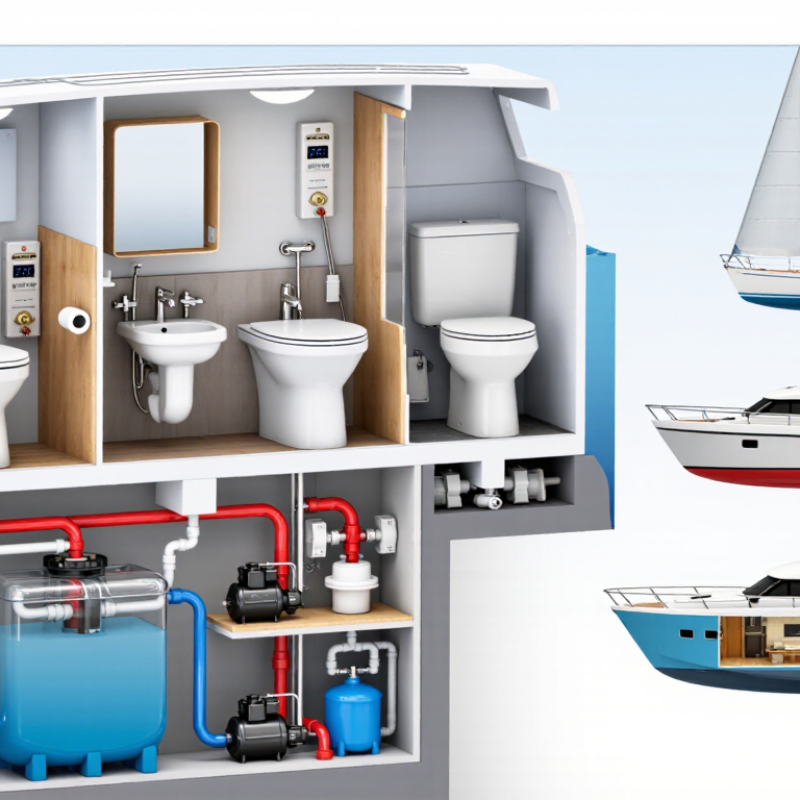
Types of Electric Marine Toilets and How They Work
Electric marine toilets differ by how they move water and waste. A direct-flush model draws seawater through a pump, then macerates and sends waste onward. It can use less stored freshwater, but seawater may leave scale inside the plumbing. Freshwater-flush models use onboard water, helping limit marine growth in the bowl and hoses. Their trade-off is demand on the freshwater supply. Vacuum-flush systems pull waste through a sealed line using vacuum pressure, often with a separate vacuum pump and holding tank. They can use little flush water, but seals and vacuum components need attention. Noise varies.
These mechanisms are not the same as regulatory sanitation categories. The U.S. Coast Guard’s Marine Sanitation Device standards distinguish Type I, Type II, and Type III systems. Under 33 CFR §159.53, Type I effluent must not exceed 1,000 fecal-coliform organisms per 100 milliliters; Type II has a tighter limit of 200. Both allow no more than 150 milligrams of suspended solids per liter. Type III systems retain sewage in a holding tank rather than treating it for discharge. That distinction matters when matching a toilet to a boat’s tank layout and operating area. Check pump access, hose runs, and available freshwater before choosing. In practice, the neatest diagram may not match the cramped space behind the bowl.
How to Choose the Best Electric Marine Toilet
Typical components in three electric marine toilet configurations
The chart compares simplified system types: macerating toilets use a cutter and pump to move waste; vacuum toilets use a vacuum unit to transport it; and gravity-assisted electric-flush toilets use gravity for waste transfer. All use an electric flush control and rinse water. Actual configurations vary, so check the installation requirements, water supply, discharge route, and power needs for the specific toilet.
Assessing Your Boat’s Space, Power, and Plumbing Requirements
How to Choose the Best Electric Marine Toilet?
Assessing Your Boat’s Space, Power, and Plumbing Requirements
Before choosing an electric marine toilet, measure the available footprint and the space around it. Check bowl clearance, seat-lid movement, and whether the unit can pass through the cabin doorway. Measure twice. A toilet that fits on paper may still block a locker or make servicing awkward.
Check your boat’s voltage and available electrical capacity. The pump may draw a noticeable current when it starts, so confirm the wiring, fuse, and battery system can support the load. Read the installation specifications carefully. Long wire runs can cause voltage drop, especially on smaller boats. Plumbing matters just as much: identify the intake, discharge route, holding tank connection, and hose bends. Tight curves can hinder flow and complicate maintenance.
Tips: Sketch the toilet’s footprint with masking tape before buying. Leave access to clamps, hoses, and electrical connections. Compare the unit’s requirements with your boat’s existing system, not just its advertised dimensions. If the wiring or plumbing layout is unclear, ask a qualified marine technician to inspect it. Even careful measurements can miss a hidden obstruction.
Comparing Flush Systems, Bowl Materials, and Key Features
Choose a flush system that fits the plumbing already aboard. Many electric toilets use a macerator to break down waste before pumping it through the discharge line. Others rely on different pump arrangements, so check the installation diagram rather than judging by the control switch. A raw-water flush can conserve freshwater, but may bring odors if seawater sits in the intake. Freshwater models avoid that issue and use tank water instead. Noise matters. Listen to a unit running, if possible, because pump sound can feel louder in a small cabin.
Bowl material affects weight, feel, and upkeep. Vitreous china has a solid, familiar feel and cleans easily, but adds weight. Polymer bowls are lighter and can suit boats where weight matters; inspect the finish for scratches or staining. Neither material makes maintenance disappear. A pale surface may show deposits sooner than expected.
Look beyond the bowl. Check water use per flush, seat dimensions, electrical draw, and access to pumps and hoses for servicing. Confirm that the discharge connections match your boat’s setup, and leave room to remove components without dismantling nearby cabinetry. Controls should be easy to reach from the seated position, even when the compartment is dim. One detail is easy to overlook: a quiet, compact toilet may still use more water than you want. Compare specifications, then revisit them against your tank capacity and typical trip length. I would not treat any single feature as decisive.
Checking Installation, Ventilation, and Waste-Tank Compatibility
Choosing an electric marine toilet is not just about bowl shape or flush controls. Measure the available footprint, including space to lift the seat and reach service panels. A cardboard template can reveal awkward clearances before you drill. Check the mounting surface, cable route, and distance to the power supply. Follow the installation manual for wire size and circuit protection; voltage drop can cause unreliable flushing. Leave room to inspect the pump later. You will appreciate that access.
Ventilation deserves equal attention. The holding tank needs a properly routed vent line, sized and fitted according to its instructions. Avoid crushed hose, sharp bends, and low spots that can collect liquid. Check that the vent outlet stays clear and is positioned as specified for your vessel. A blocked vent may cause slow filling or unpleasant odors. Small details matter.
Confirm that the toilet’s outlet, hoses, and pump arrangement match the waste tank and plumbing already aboard. Compare fitting diameters rather than relying on appearance, and verify that hose materials suit marine waste systems. Estimate tank capacity using the number of people aboard, expected flushes, and water used per flush. A compact tank may look sufficient on paper, but actual use can differ. That part is easy to misjudge. Before buying, trace the complete route from toilet to tank and identify every connection you may need to adapt.
How to Choose the Best Electric Marine Toilet? - Checking Installation, Ventilation, and Waste-Tank Compatibility
| Decision Area | What to Check | A Suitable Match | Potential Mismatch or Risk |
|---|---|---|---|
| Available installation space | Measure the toilet footprint, overall height, seat clearance, and access needed for plumbing and servicing. | The bowl and service connections fit the compartment, with enough room to remove components and reach shutoff valves. | A tight fit can obstruct maintenance, pinch hoses, or leave too little space for comfortable use. |
| Electrical supply | Check the toilet’s rated voltage, current draw, wiring requirements, and fuse or circuit-breaker instructions against the vessel’s electrical system. | The boat’s DC supply matches the unit’s specified voltage, and the circuit and wire sizing follow the installation manual. | Connecting a unit to the wrong voltage or an undersized circuit can cause poor operation, overheating, or electrical damage. |
| Flush-water source | Determine whether the toilet is designed for raw-water intake or a pressurized freshwater supply. | The chosen model supports the available water source and has the required intake, pump, strainer, and shutoff arrangement. | An incompatible water source can prevent flushing or create a risk of contaminating the potable-water system. Follow applicable backflow-protection requirements. |
| Seacock and intake access | For a raw-water model, locate the intake seacock and check access to the seacock, strainer, and hose route. | The intake can be isolated for service, and the hose route follows the toilet manufacturer’s guidance. | An inaccessible seacock or poorly routed intake hose makes maintenance harder and may increase flooding risk if a fitting fails. |
| Discharge route | Trace the path from the toilet to the holding tank or other legally permitted discharge arrangement. Check hose sizes, bends, lift, and maximum discharge head against the manual. | The route stays within the toilet’s specified plumbing limits and connects securely to the intended sanitation system. | Excessive lift, restrictive bends, or incompatible hose connections can reduce flushing performance and increase blockage risk. |
| Holding-tank connection | Confirm the tank inlet location, available connection size, usable capacity, and whether the tank arrangement suits the vessel’s plumbing. | The toilet’s discharge connection can be matched to the tank inlet using approved sanitation hose and appropriate fittings. | A connection that does not match the tank layout may require a different hose route or additional plumbing changes. |
| Tank capacity and usage | Compare the tank’s usable capacity with the number of people aboard, trip length, and the toilet’s stated water use per flush. | The expected holding-tank volume is adequate for the planned use, with capacity remaining for other connected fixtures if applicable. | Choosing a toilet without considering flush-water use can fill a holding tank sooner than expected. |
| Holding-tank ventilation | Check that the tank has a vent routed to the exterior and that the vent line meets tank and vessel installation requirements. | The vent path is clear, appropriately sized for the tank system, and arranged to avoid unnecessary restrictions. | A blocked or restricted vent can contribute to odor problems, slow tank filling, or excessive pressure during pump-out. |
| Odor-control options | Review the tank’s vent arrangement and any proposed vent filter for compatibility with the tank and pump-out setup. | Any odor-control component is installed as directed and does not obstruct the tank’s required ventilation. | A filter or fitting that becomes blocked or restricts airflow can interfere with venting; it does not replace a clear vent line. |
| Operating sound and power use | Compare the manufacturer’s sound and electrical-use information with the boat’s layout, battery capacity, and preferred operating environment. | The operating sound and electrical load are acceptable for the intended cabin location and available onboard power. | Assuming all electric toilets have the same sound or power demand can lead to an unsuitable choice; check the specific unit’s documentation. |
| Serviceability and spares | Check access to the pump, wiring, hoses, and service points, and confirm that maintenance instructions and replacement parts are available. | Routine inspection and servicing can be performed without removing major interior structures. | Limited access can increase maintenance time and make routine fault-finding more difficult. |
| Regulatory compliance | Check local and vessel-specific rules for marine sanitation devices, holding tanks, and sewage discharge. | The toilet and connected waste system can be used in accordance with the rules that apply to the vessel and its operating area. | Discharge restrictions vary by location; installation alone does not determine where sewage may legally be discharged. |
Selection tip: Confirm dimensions, electrical ratings, water-source requirements, hose connections, discharge limits, and venting instructions in the specific toilet and holding-tank manuals before purchase or installation. Specifications and regulatory requirements vary by model and location.
Evaluating Maintenance Needs, Reliability, and Operating Costs
When comparing electric marine toilets, inspect what can be serviced without dismantling the compartment. Can you reach the pump, wiring connections, and discharge hose? A clogged line or leaking seal can turn a small repair into a messy afternoon. ABYC’s E-11 standard for marine electrical systems highlights proper circuit protection and wiring practices; ask whether the installation follows its guidance. Small details matter.
Operating cost is not just the purchase price. For a transparent estimate, assume a 12-volt unit draws 15 amps for 10 seconds per flush. That equals about 0.042 amp-hours per flush, or roughly 0.84 amp-hours daily at 20 flushes. Over a year, that is about 307 amp-hours, before charging losses. This is an illustrative calculation, not a published fleet average; measure the actual unit if battery capacity is tight. Not glamorous. Reliability also depends on use: salt crystals, paper buildup, and dry running can strain moving parts. Compare the cost and availability of replacement seals and pumps, then check the warranty’s service terms. I would give repair access more weight than a tiny difference in rated power. Still, battery use is easy to overestimate when the toilet runs only briefly.