How to Choose the Right Orifice Blind Flange for Your Needs?
Choosing the right Orifice Blind Flange is essential for optimal performance in piping systems. An Orifice Blind Flange effectively isolates sections of a pipeline. However, selecting the wrong one can lead to inefficiencies or failures. This decision impacts not just immediate operations but the overall reliability of the system.
Understanding the specific requirements of your project is crucial. Different materials, sizes, and pressure ratings can influence performance and safety. For example, a flanged connection must withstand high-pressure environments in some industries. This means knowing the precise specifications needed for your application, yet many overlook these essential details.
Consider this: a poorly chosen Orifice Blind Flange might not only disrupt flow but can also increase maintenance costs. Being meticulous during selection reduces risks and improves longevity. Reflecting on past choices can reveal areas for improvement and awareness. Flanges are vital components, and taking the time to ensure proper selection pays off.
Understanding the Basics of Orifice Blind Flanges
Orifice blind flanges play a crucial role in process control and flow measurement. They are designed to create a barrier in piping systems, often used in conjunction with orifice plates. Understanding their function helps in selecting the right flange for specific applications. The material of the flange is significant; it must withstand pressure and corrosion based on your system's requirements. Selecting the appropriate size is equally important. A mismatch can result in system failures or inefficiency.
The design of an orifice blind flange contributes to its performance. Look for features that enhance sealing and reduce leakage. Ensure compatibility with existing piping to avoid blending problems. Installation is another vital factor. A poorly installed flange can cause leaks or system shutdowns. Regular inspections will also help maintain integrity. Reflect on your specific needs during selection. What pressure and temperature will your flange encounter?
Consider the expertise of suppliers. Experienced professionals can provide guidance tailored to your environment. Sometimes, generic choices may seem sufficient, but they often lead to complications. Investing time in understanding specifications leads to better decisions. Share your knowledge with colleagues to improve overall system performance.
Key Factors to Consider When Choosing Orifice Blind Flanges
Choosing the right orifice blind flange is crucial for system efficiency. Specific factors must be considered to ensure compatibility and durability. Material selection is paramount. Stainless steel, carbon steel, and alloy materials are common choices. According to a recent industry report, over 60% of system failures stem from improper material usage.
Proper dimensions and pressure ratings are equally vital. An orifice blind flange must match your system's specifications precisely. Misalignment can lead to costly leaks or system inefficiencies. It’s important to review the exact measurements and ensure they align with the industry standards.
Tip: Always consult a professional when determining the needed specifications.
Another aspect to consider is the gasket material. The right gasket ensures a secure seal, preventing unwanted leaks. Many professionals recommend non-asbestos materials for high-temperature applications. The wrong gasket can lead to significant system failures and safety hazards.
Tip: Conduct regular inspections to assess the condition of flanges and gaskets.
Incorporating these elements effectively enhances system reliability. Balancing cost and quality is essential, yet often overlooked. Reflecting on previous projects can provide insights into potential improvements. Keep detailed records of your choices.
Material Selection: Which Types are Best for Your Application?
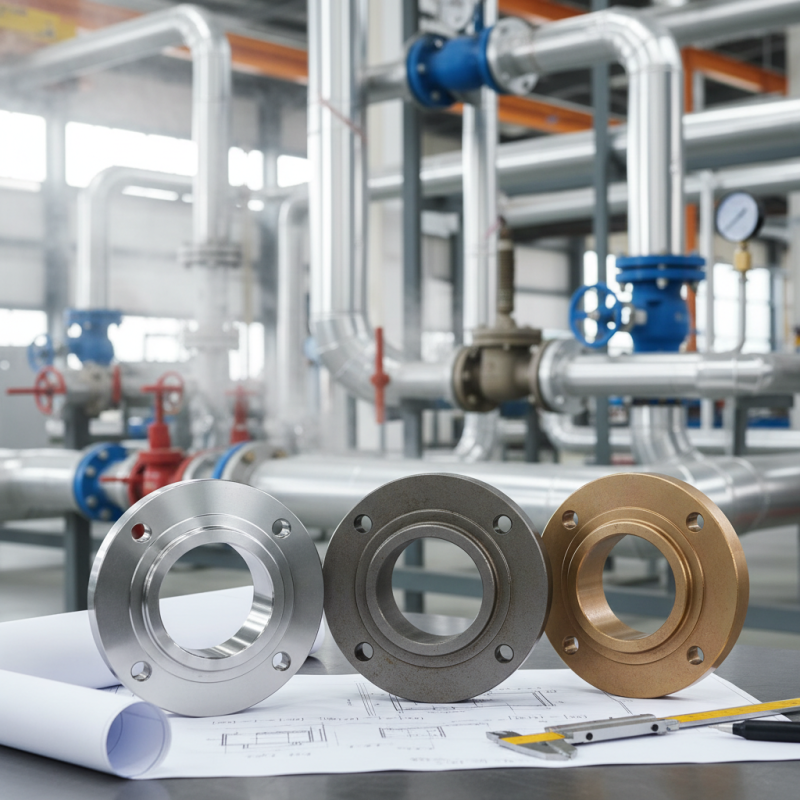
Choosing the right orifice blind flange involves careful consideration of material. The choice of material significantly impacts performance and longevity. Common options include carbon steel, stainless steel, and alloy materials. Each has unique properties tailored for specific applications.
Carbon steel is widely used due to its strength and cost-effectiveness. However, it may not resist corrosion as effectively as stainless steel. In environments with high temperatures or corrosive substances, stainless steel is often preferred. According to industry studies, over 65% of flanges used in chemical processing facilities are made of stainless steel. This underscores its reliability in harsh conditions. Tips: Consider the environment where the flange will be installed. Make sure to choose a material resistant to those conditions. Review recent studies or reports specific to your industry for the
best practices in material selection.
Alloy materials, like Inconel or Monel, provide excellent performance in extreme conditions. They offer higher resistance to heat and corrosion but come at a premium cost. Many engineers weigh the benefits against their budget limitations. It's essential to reflect on the long-term implications of material choice, as it affects both maintenance costs and efficiency. Sizing and Pressure Ratings: Matching Specifications to Your Needs
When selecting the right orifice blind flange, sizing and pressure ratings are critical factors. Choose a flange that matches your system's specific dimensions. For instance, the American National Standards Institute (ANSI) provides pressure classes ranging from 150 to 2500 psi. Matching these ratings with your application prevents potential failures.
A common pitfall is underestimating the importance of pressure ratings. Many overlook the consequences of mismatched specifications. Using a blind flange with an inadequate rating can lead to leaks and service disruptions. According to a report from the American Society of Mechanical Engineers, pressure-related failures account for up to 30% of equipment downtime in industrial settings.
Tip: Always consult with industry standards or engineering guidelines when determining specifications. Check flanges' material compatibility with your fluids. Consider your operating temperature as it significantly affects the flange’s performance.
Incorporate the latest industry practices. Attend training sessions or workshops on flange technologies. A deeper understanding aids in making informed decisions. Don't rush your selection process. Each project may have unique demands that need careful evaluation.
Installation and Maintenance Tips for Orifice Blind Flanges
When working with orifice blind flanges, installation and maintenance are key to ensuring effective performance. Proper installation begins with selecting the right materials. Corrosion-resistant materials are often the best choice. Ensure the flange surfaces are clean and free from debris. Misalignment can lead to leaks, so take your time to ensure a proper fit. Tighten the bolts in a diagonal sequence to distribute pressure evenly.
Maintenance is equally vital. Regular inspections help identify wear and tear. If you notice any irregularities, address them promptly. Gaskets should be checked for signs of degradation. It’s wise to replace these components periodically, even if they appear fine. Think about documenting any issues you encounter. This can provide insights for future maintenance.
In the field, experience often drives the best practices. Each installation can present unique challenges. Don't hesitate to consult with experts when facing unfamiliar issues. Collaboration can enhance your knowledge and prevent costly mistakes. Always aim for continuous improvement in your maintenance approach.
Orifice Blind Flange Selection: Key Features Comparison