How to Choose the Right Airport Fence for Security Needs?
Choosing the right airport fence is crucial for enhancing security. Experts recommend carefully evaluating options based on specific needs. John Carter, a leading security consultant, notes, "A well-chosen airport fence can deter unauthorized access." This highlights the importance of selecting a suitable barrier.
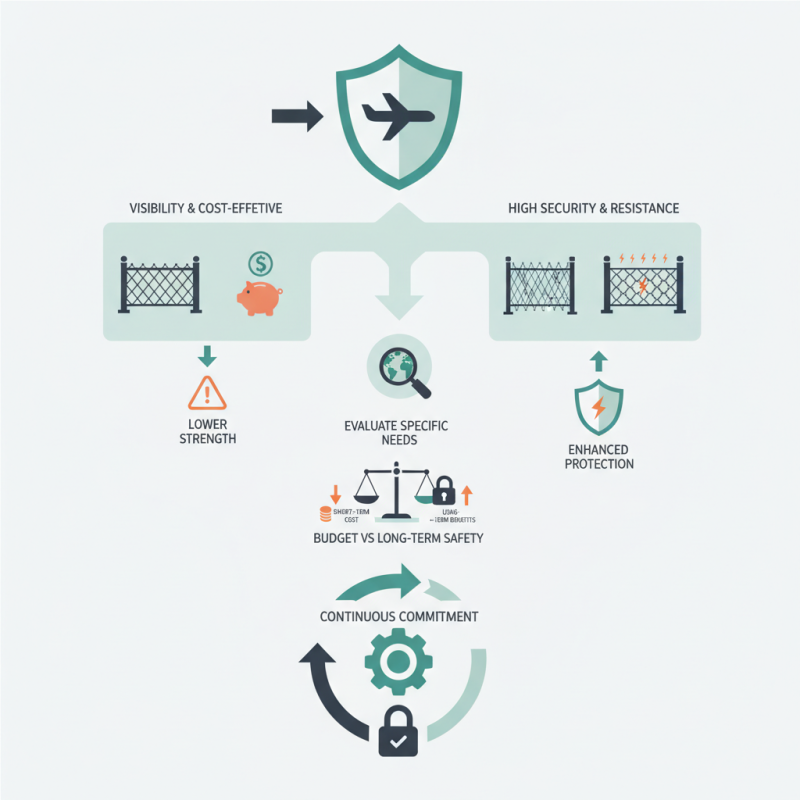
Different types of airport fences exist, each with unique benefits. Chain-link fences offer visibility but may lack strength. Meanwhile, higher security options like welded wire or electric fences provide more resistance. We must consider these choices seriously. Each airport has its distinct environment and potential risks.
However, it’s important to reflect on our decisions. Often, budget constraints lead to compromises. A cheaper option may save money now but could risk safety later. Investing in the right airport fence may require a closer look at long-term benefits over immediate costs. Enhancing security is not just a task; it's a continuous commitment.
Factors to Consider When Choosing Airport Fencing Materials
When selecting airport fencing materials, several factors come into play. The primary goal is security, but aesthetics and durability also matter. Steel and aluminum are common choices. They offer strength and resistance to corrosion. A fence must withstand harsh weather conditions. This is crucial in many regions. Consider how much maintenance you’re willing to undertake. Some materials require more upkeep than others.
Visibility is another key concern. A fence must deter intruders. Yet, it shouldn’t obstruct aircraft or vehicle sightlines. Transparent materials, like chain-link, offer a balance. They are durable but allow for visibility. However, these types can be less intimidating to potential threats.
Cost is a significant factor. Higher-quality materials may incur greater initial expenses. However, cheaper options could mean frequent replacements. Reflect on your long-term budget. Are you investing wisely in material that lasts? Finding the right balance between cost and effectiveness can be challenging. Be open to different solutions. Ultimately, the right airport fence requires a thoughtful approach.
Types of Airport Fences: Pros and Cons for Security Applications
When selecting the right airport fence, understanding the types available is essential. Here are some common options and their pros and cons.
Chain link fences are widely used. They are cost-effective and easy to install, providing basic security. However, they do not deter climbing and may require additional measures to enhance security. Reports indicate that over 40% of airport breaches occurred at sites with insufficient barriers.
Solid fences offer increased visibility control. They can deter unauthorized entry effectively. Conversely, they often come with higher installation costs and may require maintenance. A study highlighted that solid fences reduced intrusion attempts by nearly 30% in well-monitored areas.
Tips: Always consider the surrounding environment. Are there natural climbing aids nearby? Also, analyze your budget versus security needs. Investing in surveillance systems can complement your chosen fence. Regular assessments are necessary. Evaluate the fence condition regularly to address any wear and tear promptly.
How to Choose the Right Airport Fence for Security Needs?
| Type of Fence | Pros | Cons |
| Chain Link Fence | Cost-effective; Quick to install; Good visibility. | Easily cut; Limited deterrent value; Requires regular maintenance. |
| Welded Wire Fence | Stronger than chain link; Better resistance to vandalism. | Higher initial cost; Less visibility. |
| Electric Fence | High deterrence; Can cover large areas. | Requires regular monitoring; Potential safety hazards. |
| Cohesive Barrier Fence | Effective at stopping vehicles; Provides strong physical barrier. | High construction costs; Permanent structure limits flexibility. |
| Ballistic Fence | Effective against firearms; Provides high-level security. | Very expensive; Requires specific installation and regulation compliance. |
Assessing the Threat Levels and Security Needs of Your Airport
When assessing the security needs of an airport, it’s crucial to start with a thorough analysis of potential threat levels. Different airports face varied risks. For instance, a bustling international airport may attract more threats than a regional one. It's essential to evaluate these risk factors accurately.
Consider the specific vulnerabilities of your airport. Are there areas that lack surveillance? Are there high-traffic zones that could be exploited? Identifying these details can help tailor the security measures. Collaboration with security professionals can provide insights into potential risks. Regular assessments are needed. Threat levels can change quickly, so stay informed.
Challenges may arise in balancing safety with accessibility. Overly restrictive measures might inconvenience passengers. Finding the right middle ground is vital. In some cases, existing infrastructure might not meet current security demands. Continuous evaluation and adaptation are necessary for effective airport security.
Regulatory Standards and Compliance for Airport Fencing Solutions
Airport fencing plays a critical role in maintaining security. Regulatory standards guide the selection of appropriate materials and designs. Airports must adhere to regulations set by governing bodies. Compliance ensures that fencing meets safety, durability, and effectiveness requirements. Each region may have specific mandates. It’s essential to understand these local guidelines during the planning phase.
One common standard involves the height of the fence. Many regulations require fences to be at least eight feet tall. This height deters unauthorized access while remaining visually unobtrusive. While some airports might opt for sleek designs, others focus on robustness. Fences need to withstand various weather conditions and potential impact. Choosing materials wisely is crucial. Steel and aluminum are popular choices, but they must be properly treated to prevent rust.
Moreover, airport operators should evaluate the adequacy of their fencing regularly. Just installing a fence is not enough. Over time, wear and tear can compromise security. Inspections should occur frequently. This is an area that often gets overlooked. Small issues today can lead to larger problems tomorrow. Keeping up with maintenance helps ensure compliance and security.
Maintenance and Durability Considerations for Airport Security Fences
When it comes to choosing the right airport fence, maintenance and durability are key factors. Airport environments are tough. Fences face harsh weather, potential vandalism, and everyday wear and tear. Selecting robust materials can mitigate frequent repairs. Consider how corrosive elements may impact fence lifespan.
Tips for ensuring the longevity of your airport fence include regular inspections. Look for rust or damage. Tighten bolts and replace missing parts promptly. Investing in quality components at the outset can save money over time. Some materials may seem cheaper initially, but they often require more maintenance.
It’s also wise to evaluate the fence’s finish. Powder coating can provide additional protection against the elements. However, even the best coatings can wear down. Reflect on the need for periodic repainting or protective treatments. Remember, a fence is not just a boundary; it represents safety. Inconsistent maintenance can lead to vulnerabilities, creating safety risks.