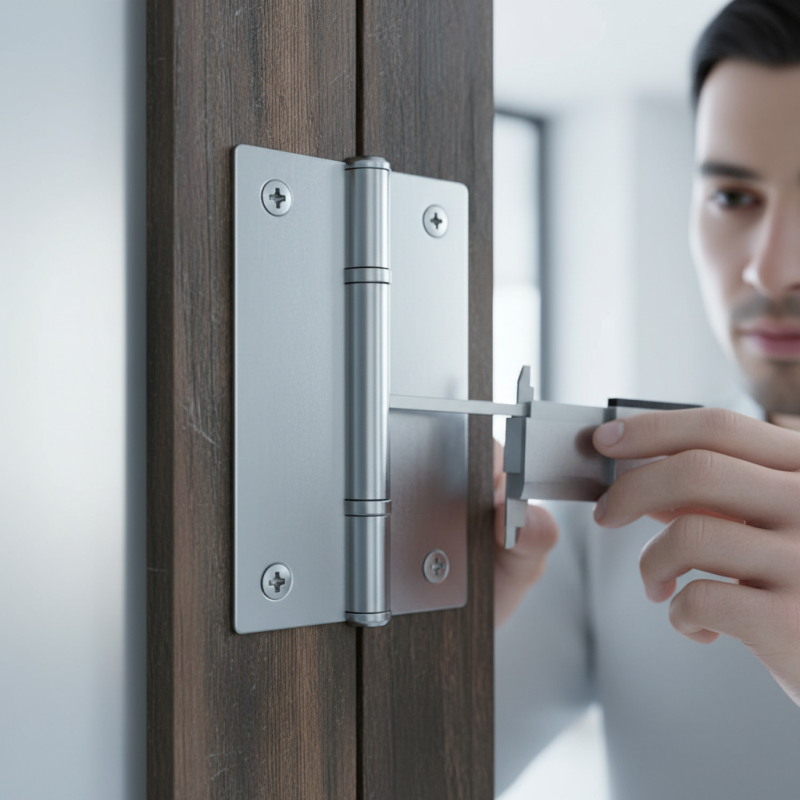
How to Choose the Best Stainless Steel Door Hinge?
Choosing the right Stainless Steel Door Hinge can greatly impact your door's functionality and durability. According to industry expert John Stevens, "A robust hinge is as crucial as the door it supports." He emphasizes the importance of quality in hinges, urging consumers to consider their selection carefully.
Stainless steel door hinges come in various styles and sizes. They are designed to withstand wear and tear. However, many buyers overlook the significance of material. Not all stainless steel is created equal; some may rust over time. This oversight can lead to future costs.
Inadequate knowledge can lead to wrong choices. Some may rush the selection process, buying the first hinge they see. It is essential to evaluate load capacity and finish. Without proper consideration, the chosen hinge may fail, affecting the entire door system. Investing time in research can ultimately save money and trouble.
Understanding Different Types of Stainless Steel Door Hinges
When choosing a stainless steel door hinge, understanding the types available is essential. There are several styles, each serving a unique purpose. You may encounter butt hinges, continuous hinges, and pivot hinges. Butt hinges are common for standard doors. They provide a sturdy option for various weights.
Continuous hinges offer a long, unbroken hinge line. These are useful for heavy doors that require extra support. Pivot hinges, on the other hand, are often used for doors that swing open from a central point. They can create a pleasing aesthetic when designed well.
Each type has its merits and drawbacks. But many people neglect the specifics. For instance, the weight capacity of the hinge should match the door. Miscalculating this can lead to functionality issues. Choosing a hinge also involves considering the door's material and environment. Stainless steel provides rust resistance, but it's not infallible. Coastal areas pose a challenge, as moisture can still affect performance. Think about these details when selecting your hinge.
Key Factors to Consider When Selecting Door Hinges
When selecting the best stainless steel door hinge, there are key factors to consider. Material quality is paramount. Stainless steel comes in various grades. Look for higher grades like 304 or 316 for durability. These grades resist rust and corrosion well. Lower grades may not hold up over time.
Another essential factor is the hinge size. It must match your door. A hinge that is too small cannot support the weight. Conversely, an oversized hinge can look awkward. Measure your door’s weight and height for the best fit.
Here are some tips for a successful selection:
- Check the hinge's load capacity. This ensures your door operates smoothly.
- Consider the hinge style. A style that complements your door adds aesthetic value.
- Match the finish with the door. This simple detail can elevate your space.
Reflect on your needs. Sometimes, the
most expensive options aren't the best. Base your choice on actual requirements rather than trends. It’s important to find balance between
quality and cost.
Happy choosing! Evaluating the Size and Weight Capacity of Hinges
When choosing a stainless steel door hinge, size and weight capacity are critical factors. A hinge that is too small cannot support a heavy door. This can lead to drooping or malfunctioning over time. Take measurements of your door's dimensions before making a decision.
Consider the hinge's weight rating. Each hinge has a specific weight capacity. If the door is heavy, select hinges that can support more weight than the door itself. For example, a door weighing 100 pounds may need hinges rated for at least 120 pounds.
Tips: Always test the hinge's functionality before installation. Ensure it swings smoothly. If you notice resistance, it may be an issue with sizing or alignment. Also, think about the material quality. Cheap stainless steel can rust or corrode easily. Sometimes, compromise in quality leads to frequent replacements. Assess your priorities wisely.
How to Choose the Best Stainless Steel Door Hinge? - Evaluating the Size and Weight Capacity of Hinges
| Hinge Type | Size (inches) | Weight Capacity (lbs) | Material Thickness (gauge) | Finish Type |
| Continuous Hinge | 84 | 300 | 14 | Satin Finish |
| Piano Hinge | 96 | 400 | 16 | Brushed Finish |
| Mortise Hinge | 4x4 | 200 | 14 | Polished Finish |
| Overlay Hinge | 3.5 | 150 | 18 | Black Finish |
| Butterfly Hinge | 4x3 | 100 | 16 | Anodized Finish |
Assessing Corrosion Resistance in Stainless Steel Hinges
When choosing stainless steel door hinges, corrosion resistance is crucial. Stainless steel can vary in its ability to resist rust and corrosion. Certain grades perform better in humid environments. For instance, 304 stainless steel is popular for general use, but it may not withstand coastal areas due to salt exposure.
Evaluate the environment where the hinges will be used. If moisture is a frequent issue, consider marine-grade stainless steel, like 316. This type contains molybdenum, enhancing its resistance to corrosive elements. However, it may also cost more. Balancing cost with performance is key.
Inspect the hinge finish as well. A brushed finish may offer better protection than a polished one. The finishing process can influence durability, affecting how well the hinge resists scratches and degradation over time. This aspect is often overlooked but is essential for long-term use. A wrong choice here could lead to frequent replacements.
Comparing Cost and Quality of Various Hinge Brands
Choosing the right stainless steel door hinge requires careful consideration of cost and quality. Many brands offer a variety of hinges, but not all are created equal. When comparing options, look at the materials and construction. A solid hinge should be made from high-grade stainless steel, ensuring durability and rust resistance. Cheaper alternatives often use lower quality metals, which can lead to premature failure.
Quality control is also a significant factor. Some manufacturers may cut corners in production. This can impact the hinge’s performance. Check for inconsistencies in finishes, like rough edges or uneven plating. These small details can indicate a lack of attention to quality. Furthermore, get to know the weight capacity of the hinges. Heavy doors necessitate stronger hinges, and sometimes brands will label their products inaccurately.
Pricing is another aspect that needs reflection. Higher prices don’t always guarantee superior quality. Sometimes, you might pay more for a brand name. Conducting thorough research can reveal hidden gems that offer great quality at a lower price. Customer reviews can also provide valuable insights. Look for patterns in feedback rather than focusing on isolated comments. This approach will help you make a well-informed choice.
Comparison of Stainless Steel Door Hinge Costs and Quality