2025 How to Choose the Best Paver Tools for Your Next Project
In the ever-evolving landscape of construction and landscaping, the choice of tools can significantly influence both the efficiency and outcome of any project. As we look towards the year 2025, understanding how to select the best paver tools becomes paramount for both professionals and DIY enthusiasts alike. With an array of options available on the market, knowing which tools will best suit your specific needs is essential for executing your paver installation projects seamlessly.

Paver tools range from basic hand tools to advanced machinery, each serving distinct functions that can enhance productivity and precision. As the demand for decorative and functional paved surfaces continues to soar, investing in the right tools not only optimizes your workflow but also ensures high-quality results that meet client expectations. This guide aims to provide insights into the latest innovations in paver tools and offers practical advice on selecting the most suitable options for your upcoming projects. Whether you are laying down a new patio, driveway, or walkway, equipping yourself with the right paver tools can make all the difference in achieving a professional finish.
Top Criteria for Selecting the Right Paver Tools in 2025
When choosing the best paver tools for your project in 2025, several key criteria must be considered to ensure efficiency and effectiveness. First and foremost, the material and design of the tools play a critical role in their performance. Look for tools made from durable materials such as high-grade steel or reinforced composites, which can withstand the rigors of pavement work. Additionally, ergonomic design features should not be overlooked, as they enhance comfort and reduce strain during prolonged use.
Another important criterion is the versatility of the tools. In 2025, with evolving technology, it's beneficial to select multifunctional tools that can adapt to various tasks, from cutting to leveling. This reduces the need for multiple tools, saving both time and effort on the job site. Lastly, consider the reputation of the manufacturers and the availability of customer support and replacement parts. Reliable brands often offer warranties that can provide peace of mind and assurance of quality. By focusing on these criteria, you can ensure you select the right paver tools tailored for your specific project needs.
2025 Top Criteria for Selecting the Right Paver Tools
Essential Types of Paver Tools for Different Project Needs
When embarking on a paving project, selecting the right tools is crucial for achieving a professional finish and ensuring efficiency. Essential types of paver tools cater to different project needs, and understanding their specifications can significantly impact the outcome. For instance, according to a report by the Concrete Paver Association, using high-quality vibrating plate compactors can improve material stability by up to 40%, reducing the likelihood of settling and shifting over time. Likewise, professional-grade cutting tools, such as wet saws or angle grinders, allow for precise cuts, minimizing waste and ensuring perfect fitments.
In addition to cutting and compaction, tool categories such as jointing and leveling tools are equally important. A survey by the Paving Tools Industry Association indicated that projects utilizing advanced jointing tools can see time savings of up to 30%, as these tools efficiently fill gaps and provide a neat finish. Leveling devices, such as laser levels, enhance accuracy in surface grading, which helps in achieving the correct drainage pattern. As such, investing in a varied set of paver tools tailored for specific needs not only boosts productivity but also elevates the overall quality of the paving work.
Comparative Review of Popular Paver Tools Available in 2025
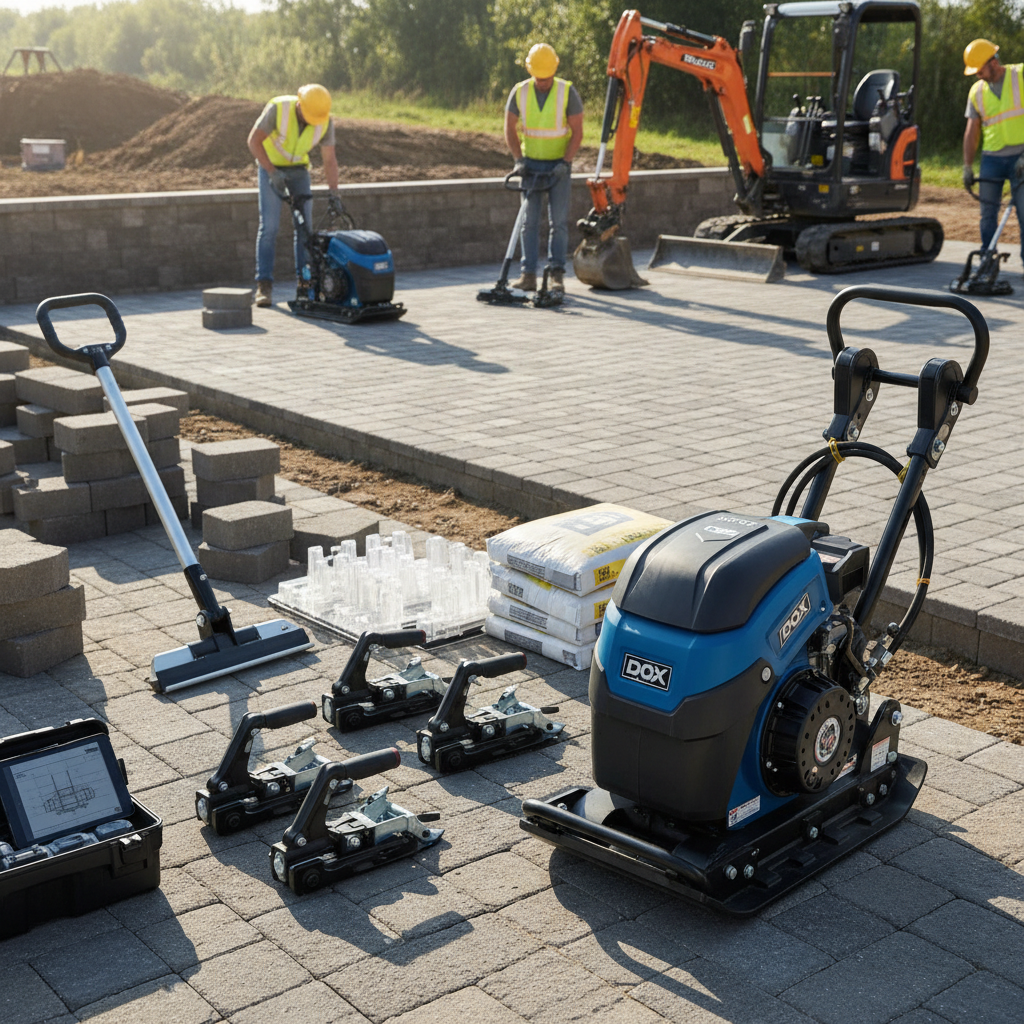
When choosing the best paver tools for your next project in 2025, it's essential to consider a variety of options that cater to different needs. Comparative reviews from industry reports indicate that tools designed for ease of use, durability, and efficiency are gaining traction among professionals. For instance, a recent analysis highlighted that advanced hydraulic compactors offer enhanced performance, reducing time on-site by up to 30%. This efficiency can be a significant factor in project timelines and labor costs.
Moreover, the rise of hybrid paver tools that incorporate smart technology is transforming the landscape. Tools equipped with AI-assisted features are particularly beneficial for precision in layout and measurement. A study found that these AI-integrated paver tools can improve placement accuracy by up to 25%, which is crucial for aesthetic and structural integrity. Evaluating both traditional tools and their more innovative counterparts will help you make an informed decision that aligns with your project’s specific requirements and goals for efficiency and quality.
Tips for Maintaining and Caring for Your Paver Tools
Maintaining your paver tools is essential for ensuring their longevity and optimal performance. To start, always clean your tools after each use. Remove any dirt, debris, and residual material, as neglecting this step can lead to corrosion and damage. Using warm, soapy water for cleaning is often effective. For stubborn grime, a wire brush or scraper can help without causing harm to the tool’s surface.
In addition to regular cleaning, proper storage is crucial. Keep your tools in a dry, covered area to protect them from moisture, which can cause rust and degradation. If wooden handles are part of your tools, apply a wood conditioning oil periodically to prevent cracking and splitting. Inspect your tools regularly for any signs of wear, and address any issues, such as loose parts or damage, immediately. This proactive approach not only extends the lifespan of your paver tools but also ensures they perform effectively for your upcoming projects.
2025 How to Choose the Best Paver Tools for Your Next Project - Tips for Maintaining and Caring for Your Paver Tools
| Tool Type |
Description |
Maintenance Tips |
Lifespan |
Estimated Cost |
| Paver Leveling Tool |
Used to ensure even height of pavers. |
Clean after each use; store in a dry place. |
5-10 years |
$20 - $50 |
| Rubber Mallet |
Helps to set pavers without damaging them. |
Inspect for wear; replace if the head is worn. |
10+ years |
$10 - $30 |
| Paver Saw |
Cuts pavers to fit specific layouts. |
Keep blades sharp; clean after each project. |
5-7 years |
$100 - $400 |
| Joint Sanding Tool |
Fills joints between pavers for stability. |
Keep clean to avoid clogging; check for damage. |
3-5 years |
$15 - $25 |
| Paver Lifting Device |
Facilitates lifting and placing of heavy pavers. |
Inspect before each use; lubricate moving parts. |
10+ years |
$50 - $150 |
Innovative Features to Look for in 2025 Paver Tools
In 2025, choosing the best paver tools involves understanding the innovative features that can significantly enhance project efficiency and outcomes. One key aspect to consider is the integration of smart technology. Tools equipped with GPS and automatic leveling systems are becoming increasingly popular, allowing for greater precision in placement and alignment. According to recent industry reports, the use of smart paver tools can reduce installation time by up to 30%, proving advantageous for both small and large-scale projects.
Additionally, ergonomic design is gaining traction in the paver tools market. Tools that prioritize user comfort and reduce strain can enhance productivity and safety on the job site. A study by the Occupational Safety and Health Administration (OSHA) revealed that ergonomic improvements in tool design led to a 22% decrease in job-related injuries among workers. Therefore, when selecting paver tools in 2025, look for those that incorporate both advanced technology and ergonomic features to maximize efficiency and minimize injury risk.