How to Choose Reflective Workwear for Maximum Visibility?
Choosing the right reflective workwear is crucial for ensuring safety in hazardous environments. According to the Occupational Safety and Health Administration (OSHA), high-visibility clothing can reduce accidents by up to 50%. Workers in low-light conditions are particularly vulnerable. They often face risks that could be easily mitigated with proper gear.
Dr. Emily Hart, a leading expert in occupational safety, states, “reflective workwear is not just an option; it’s a necessity for worker protection.” The selection process for reflective workwear should consider visibility, comfort, and durability. Choosing garments that meet relevant safety standards is vital. Factors like color, brightness, and reflective materials can greatly influence visibility levels.
Despite these guidelines, many still choose unsuitable attire. Some reflective workwear lacks genuine visibility enhancement. Others may fit poorly, leading to discomfort. Workers may neglect their safety for fashion or comfort. Encouraging the right choices is a step towards a safer workplace. The value of reflective workwear lies not only in compliance but in the well-being of those who wear it.
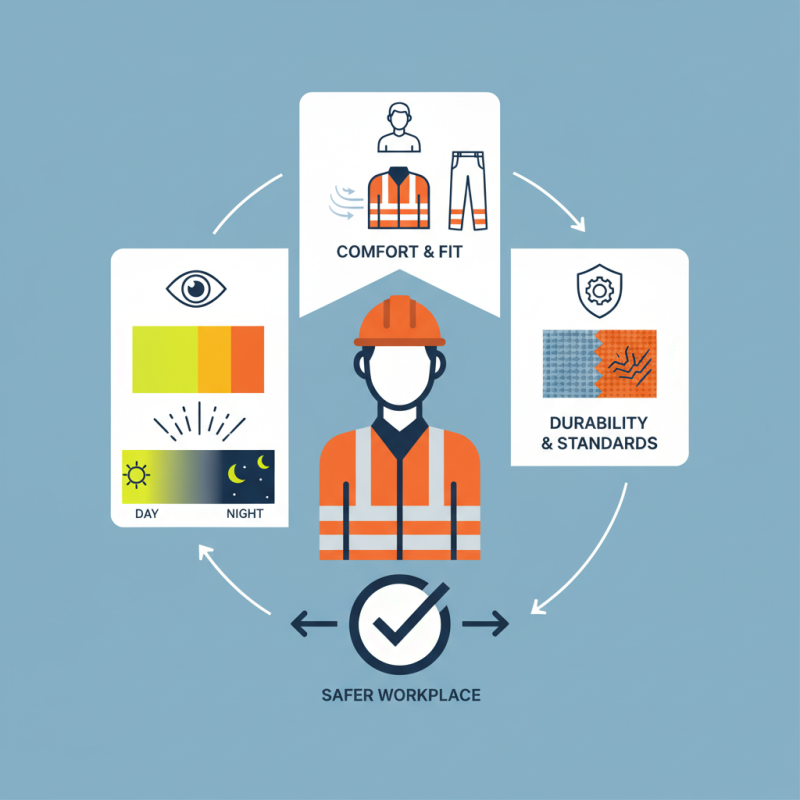
Understanding the Importance of Reflective Workwear for Safety
Reflective workwear plays a crucial role in ensuring safety across various industries. Workers often operate in low-light conditions, making visibility a top priority. Bright colors alone aren’t always enough. Reflective materials enhance visibility, especially at night or in bad weather. When light hits these materials, they create a striking contrast against darker backgrounds. This can mean the difference between safety and accidents.
However, the choice of reflective wear isn't always straightforward. Many options exist, and not all meet safety standards. Some items may wear out quickly, losing their reflective properties after a few washes. Others might fit poorly, limiting movement and comfort. It's essential to consider the working environment and specific risks present. Workers should be encouraged to voice their experiences with different garments. This feedback can guide better future choices and improve overall safety protocols.
Lastly, reflective workwear should be regularly inspected. Signs of wear and tear can compromise safety. Workers might overlook small damages, believing everything is fine. This could lead to serious consequences in critical moments. Emphasizing the importance of ongoing maintenance can foster a culture of safety awareness.
Key Features to Look for in Reflective Materials
When selecting reflective workwear, the choice of materials is crucial for visibility. According to the American National Standards Institute (ANSI), reflective materials can enhance visibility by up to 200%. This is vital in low-light conditions where safety is a priority. Look for materials that meet ANSI Class 2 or Class 3 standards for high-risk environments. These classes ensure that wearers are visible from all angles, significantly reducing the risk of accidents.
Consider the types of reflective strips used in the workwear. Glass bead technology provides higher reflectivity than other materials. Studies show that glass beads can reflect light back to its source, achieving up to 80% visibility enhancement. Additionally, the durability of the reflective material is essential. Over time, exposure to harsh conditions can degrade visibility. Materials that withstand abrasion, weather, and washing retain their functionality longer.
Not all reflective gear is created equal. Some may not meet the stringent safety standards essential for high-risk jobs. Workers often underestimate the importance of proper selection. Choosing the wrong reflective workwear can minimize effectiveness. Therefore, carefully reviewing product specifications is critical for maintaining safety protocols in the workplace.
How to Choose Reflective Workwear for Maximum Visibility? - Key Features to Look for in Reflective Materials
| Feature | Description | Importance |
| Reflective Material Type | Choose between retroreflective and fluorescent materials for optimal visibility in different conditions. | High |
| Brightness Level | Consider the luminance value; higher values indicate better visibility. | High |
| Compliance Standards | Ensure the workwear meets industry safety standards (e.g., ANSI/ISEA, ISO). | Critical |
| Color | Bright colors like neon yellow or orange are more visible during the day. | High |
| Durability | Look for wear-resistant materials that can withstand harsh conditions. | Medium |
| Breathability | Fabric should allow airflow to keep the wearer comfortable. | Medium |
| Fit and Comfort | Proper fit enhances movement and comfort, reducing fatigue. | High |
Choosing the Right Fit and Comfort for Work Conditions
Choosing workwear that ensures visibility is crucial. However, equally important is selecting the right fit and comfort. Poorly fitting clothing can restrict movement, which may compromise safety in the workplace. It's essential to assess how you will use the workwear daily.
Tips: Consider trying different styles. Each design influences comfort levels. Not all reflective materials are created equal. Some can feel stifling, while others offer breathability. Aim for garments with mesh panels or moisture-wicking fabrics.
Fabric choices matter too. Reflective wear made from heavier materials may not feel comfortable for long hours. Light fabrics can enhance comfort but may not always offer the best visibility. Reflect on your specific job requirements before compromising on visibility for comfort.
Tips: Ensure the sleeves and pants have the right length. Loose-fitting clothing may snag on equipment. Tight clothing can be uncomfortable and inhibit your movements. Adjusting fit can lead to a more productive day at work. Adjustments can make a significant difference in your daily comfort and safety.
Visibility Comparison of Reflective Workwear
Selecting Appropriate Colors and Patterns for Visibility
When selecting reflective workwear, color and pattern play crucial roles in visibility. According to the Occupational Safety and Health Administration (OSHA), vibrant colors like lime green and bright orange tend to be the most effective for high visibility. These colors are especially noticeable in low-light conditions. A study published in the Journal of Traffic Safety reported that wearing bright colors can reduce the risk of accidents by up to 30%.
Patterns can enhance visibility as well. Large reflective strips or chevron patterns are recommended because they seem to pop against various backgrounds. The National Institute for Occupational Safety and Health (NIOSH) indicates that patterns can provide better visual recognition, particularly in dynamic work environments. However, not all patterns offer the same effectiveness. Complex designs can distract rather than clarify visibility.
It's essential to consider the environment where the workwear will be used. Some colors might blend into the surroundings, especially in construction areas or near traffic. This can be troubling, as workers may underestimate risks. The best practice is to test colors and patterns in real-world conditions, allowing for adjustments before final selection. Ensuring maximum visibility requires careful thought and may sometimes involve trial and error.
Industry-Specific Considerations for Reflective Workwear
When selecting reflective workwear, industry-specific needs are crucial. Different environments demand different features. For example, construction sites often require garments with high visibility during daylight and low light. According to the Bureau of Labor Statistics, over 20,000 construction workers report injuries each year due to poor visibility. This highlights the importance of appropriate reflective clothing.
In the transportation sector, reflective vests are vital. They improve safety for workers near roadways where traffic accidents can occur. A study from the National Institute for Occupational Safety and Health suggests that proper visibility can reduce such incidents by 30%. The color and placement of reflective strips also matter greatly. It’s not just about having reflective clothing but ensuring it’s visible from various angles.
Tips: Choose garments with large reflective areas for maximum impact. Consider weather-resistant fabrics to enhance comfort. Ensure the fit allows for mobility while being snug enough to avoid dangling parts that may pose risks. Also, keep in mind that multi-layered clothing may impair visibility if not designed properly. These factors can often be overlooked but are essential.