Why Choose a Double Eccentric Butterfly Valve for Your System?
Choosing the right valve for your system is crucial. The double eccentric butterfly valve stands out in various applications. Its design enhances performance and efficiency. The unique structure reduces friction and improves sealing. This results in a longer lifespan for the valve.
In many industries, reliability is key. The double eccentric butterfly valve provides a robust solution. However, not all systems will benefit equally. It's important to assess your specific needs. For instance, some systems may experience pressure reversals. This can challenge the functionality of traditional valves. Yet, the double eccentric design minimizes these risks.
Understanding the advantages helps in making informed decisions. This valve type can handle larger flow rates effectively. Its lightweight structure also allows for easier installation. Despite its benefits, it may not fit every budget. Careful consideration is needed. Reflecting on these factors ensures that you choose wisely.
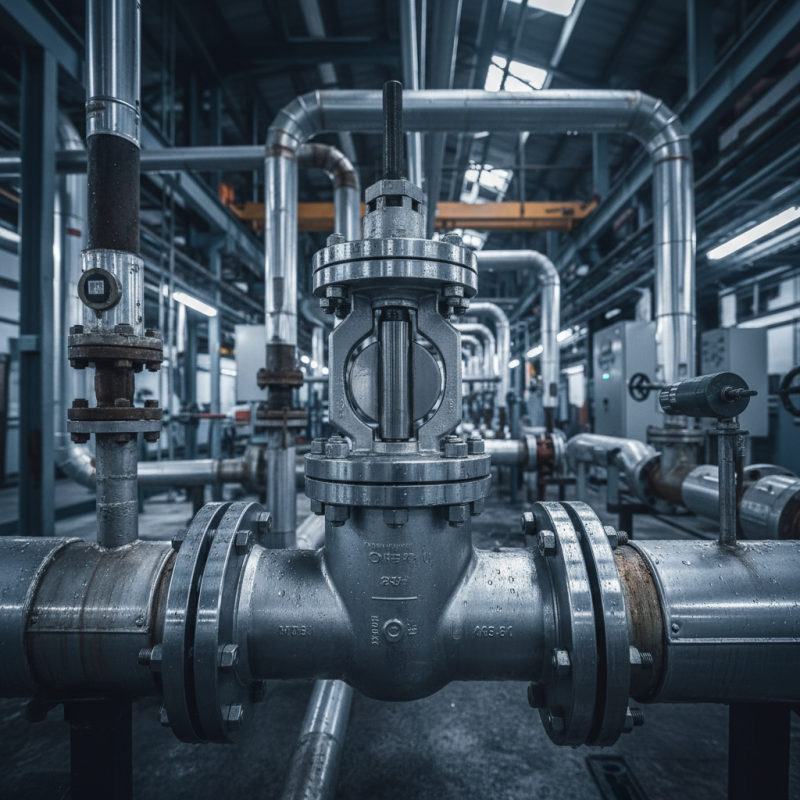
Understanding Double Eccentric Butterfly Valves and Their Mechanism
Double eccentric butterfly valves are designed with advanced mechanisms. They provide enhanced flow control and reduced torque. This makes them ideal for various systems.
One key element of their design is the double eccentric feature. This allows the disc to rotate away from the seat upon opening. Thus, it minimizes wear and prolongs valve life. The specific geometry helps in reducing friction. As a result, these valves can operate smoothly even in high-pressure scenarios.
Tips: Regularly check for signs of wear on the valve seals. An early inspection can prevent larger problems.
Installation of double eccentric valves should be precise. Misalignment can lead to operational issues. Ensure that the valve is aligned with the piping system properly. This attention to detail can make a significant difference.
Tips: Review the manufacturer's guidelines for installation procedures. Following these can enhance performance and reliability.
Advantages of Double Eccentric Design Over Alternative Valve Types
Double eccentric butterfly valves offer unique advantages that set them apart from traditional valve types. Their design features two offsets, allowing for smoother operation and reduced wear. This design minimizes seat seal friction, extending the valve's lifespan.
One notable benefit is the ability to handle higher pressure and temperature ranges. This makes them ideal for diverse applications, from water treatment to industrial processes. In contrast, conventional valves may struggle under demanding conditions, resulting in costly failures. However, users must ensure proper installation and maintenance to realize these benefits fully.
Moreover, double eccentric valves excel in throttling applications. Their increased control provides precise flow regulation. However, some may find them more complex to operate compared to simpler valve types. It's essential to weigh these factors against specific system needs. Ultimately, understanding the advantages of this design can lead to better operational efficiency.
Applications and Industries That Benefit from Double Eccentric Valves
Double eccentric butterfly valves have become essential in various industries. They excel in applications requiring tight sealing and efficient flow control. Food processing plants often utilize these valves. They prevent contamination, ensuring product safety. In chemical plants, the resilience against corrosive substances is crucial. This makes double eccentric valves a reliable choice.
Water treatment facilities also benefit greatly. These valves can withstand high-pressure conditions. A report by the Water Environment Federation highlights that these valves improve efficiency by 30% in certain applications. This enhances operational reliability. However, the installation must be precise; otherwise, performance issues may arise.
Tips: Regular maintenance checks are vital. This ensures that all parts function correctly. Additionally, training staff on correct valve operation can prevent mistakes. Due to their complexity, users must be cautious. A small error can lead to significant problems, impacting operations. Always stay informed about industry standards.
Key Considerations When Selecting a Double Eccentric Butterfly Valve
When selecting a double eccentric butterfly valve, various factors demand attention. These valves are prevalent in industries such as oil and gas, water management, and HVAC systems. According to a recent industry report, double eccentric butterfly valves boast efficiency levels exceeding 85% in flow regulation. Such performance is vital for maintaining system integrity and minimizing energy costs.
Material choice is crucial. Valves often face different pressures and temperatures based on their applications. Stainless steel or high-performance plastic may be recommended for corrosive environments. Additionally, the valve size must match system requirements. Oversized valves can lead to turbulence, while undersized valves may restrict flow.
Tip: Always evaluate the total cost of ownership. Initial purchase costs may seem lower for cheaper options, but long-term efficiency can make more robust valves a better investment.
Seal design is also an important factor. A well-designed seal can enhance performance and lifespan. Adverse conditions can wear the seals quickly. It's essential to assess the working environment before making a choice. Shortcomings in understanding the application can lead to premature failures and costly downtimes.
Tip: Engage with industry experts to ensure the right specifications are met. Their insights can provide clarity and avoid potential pitfalls.
Why Choose a Double Eccentric Butterfly Valve for Your System? - Key Considerations When Selecting a Double Eccentric Butterfly Valve
| Feature | Description | Benefits |
| Design | Double eccentric seat design reduces wear. | Extended lifespan and reduced maintenance costs. |
| Seal Type | Soft or metal seals available. | Versatile application across different media. |
| Flow Characteristics | Cavitation and turbulence reduced. | Improved system efficiency and control. |
| Size Range | Available in various sizes from 2" to 48". | Flexible for many different piping systems. |
| Actuation | Manual, pneumatic, or electric options. | Customization to suit operational needs. |
Maintenance and Longevity of Double Eccentric Butterfly Valves
Double eccentric butterfly valves are recognized for their maintenance-friendly design. A study by the American National Standards Institute (ANSI) shows that these valves require less frequent maintenance compared to traditional butterfly valves. This is crucial, especially for high-demand industries where time and reliability are paramount. Their structure minimizes friction, leading to less wear and tear. Inspecting these valves can typically be done every two to three years, which saves both time and money.
With proper care, double eccentric butterfly valves can last significantly longer. Reports suggest that the lifespan can reach up to 20 years in optimal conditions. However, environmental factors can impact longevity. Severe temperatures or corrosive substances may accelerate degradation. Regular inspection is essential to identify early signs of wear, potentially extending their service life. Knowing when to replace them can be challenging, requiring a keen understanding of operating conditions and valve performance metrics.
In practice, selecting the right materials is vital for durability. Despite the advantages, challenges such as maintenance procedures can vary. Mismanagement can lead to premature failure. Operators must recognize this to improve valve reliability. Data indicates that nearly 30% of valve failures result from inadequate maintenance practices. Therefore, a proactive approach is necessary to maximize the benefits of double eccentric butterfly valves.