
Blog
China Top Flying Inflatable Boat Manufacturers for Sale
China is a major sourcing destination for inflatable marine products, but choosing a manufacturer takes more than comparing prices. A Flying Inflatable Boat may combine an inflatable hull with a lightweight frame, lifting surfaces, and a propulsion system. Small design differences can affect stability, handling, transport, and maintenance. Ask suppliers for clear specifications, intended operating conditions, material details, and product photographs. Real details matter.
When reviewing manufacturers, check their production experience and request references or inspection records where available. Confirm how seams are made, which fabrics and fittings are used, and what quality checks take place before shipment. Ask whether a sample or factory audit is possible. Get written confirmation of dimensions, included equipment, warranty terms, packaging, and lead time. These steps help compare offers on more than the headline price. A low quote can omit useful components.
The right supplier should answer technical questions directly and explain the limits of the product. Request performance information for the intended load and conditions, then have qualified professionals assess whether the design suits your needs. Do not treat marketing claims as independent test results. Specifications may vary between models, and public product descriptions can leave gaps. That deserves a second look. This guide introduces Chinese manufacturers and practical sourcing criteria, while recognizing that no single supplier is best for every buyer. A careful comparison can make the purchase clearer, even if it cannot remove every uncertainty.
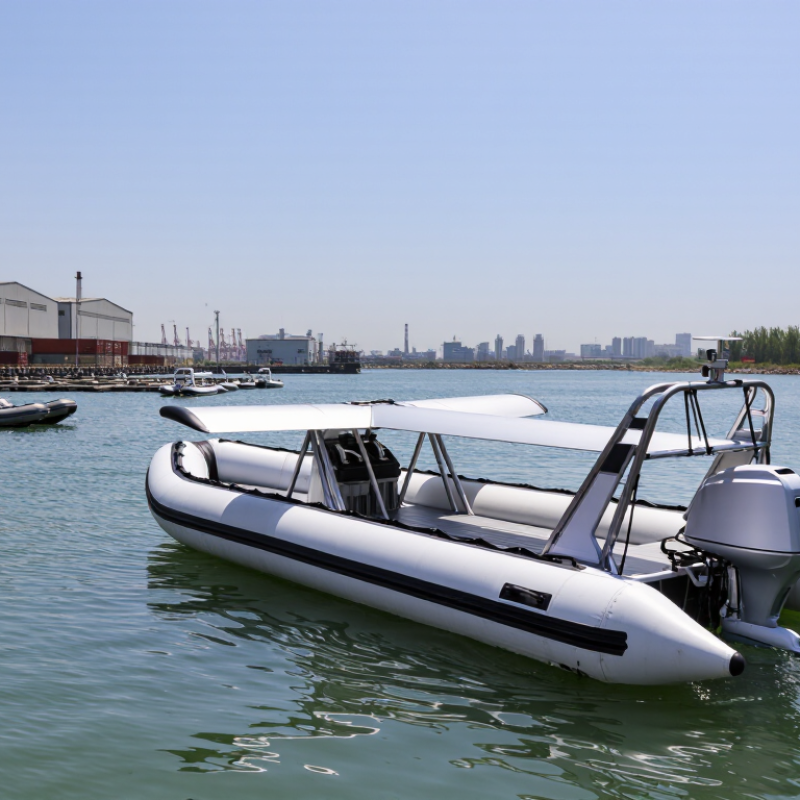
What Defines a Flying Inflatable Boat and Its Main Applications
A flying inflatable boat typically pairs a lightweight inflatable hull with a powered parachute wing and motor. The hull supports the craft on water; the wing provides lift for flight. It is not an ordinary inflatable boat with an added engine. The system depends on balanced loading, suitable wind, and careful coordination between water and air. That distinction matters.
Its uses include recreational outings, scenic flights, and aerial observation near suitable waterways. Operators may also use these craft to reach remote shorelines or support search teams with a broader view. They are not a substitute for dedicated rescue equipment. A calm lake, clear launch area, and reliable weather information make a practical difference. Even small changes in passenger weight can affect handling.
Before choosing a craft, check hull capacity, inflation-chamber layout, engine access, and how the wing is packed and attached. Ask for maintenance records and hands-on operating guidance, not just a performance claim. Training, site assessment, and local operating permissions also matter. The concept sounds simple, but setup takes practice. Wind can shift quickly, and water spray may complicate handling. That part is easy to underestimate.
Understanding inflatable boats: “Flying inflatable boat” is not a standardized vessel category; the term may describe a boat that planes or uses hydrofoils. Inflatable boats are used for recreation, rescue, and transport. This chart shows theoretical displaced-water mass, using approximate densities of 1,000 kg/m³ for fresh water and 1,025 kg/m³ for seawater. It is not a payload rating: the boat’s own mass, stability, freeboard, and safety limits must also be considered.
Key Materials and Design Features of Chinese Inflatable Boats
Material choice shapes an inflatable boat’s weight, repairability, and service life. Chinese-built models commonly use polyester fabric coated with PVC or rubber-based compounds. PVC seams can be heat-welded, while other coatings may suit different exposure and repair needs. Ask for the fabric specification, coating type, seam method, and UV-test results—not just a “heavy-duty” claim. Small details matter.
The European Boating Industry’s 2024 Facts & Figures report counts more than 32,000 boating companies and 280,000 direct jobs across Europe. That figure reflects a broad supply chain, but it does not verify any individual boat’s materials. Request batch traceability and inspect sample seams: uneven welds or sharp internal edges can cause trouble later. More fabric weight is not always better; it can add carrying weight without improving the boat’s fit for your use.
Design should match the intended load and power. ISO 6185-3:2018 covers inflatable boats under 8 metres with rated engine power of 15 kW or more. Check the maker’s stated capacity, tube diameter, floor construction, and transom reinforcement against your actual operating needs. A stiff floor feels reassuring. Yet fit and finish still deserve scrutiny.
How China’s Leading Inflatable Boat Manufacturers Differ
China’s leading inflatable boat manufacturers differ most in how they turn materials into dependable boats. Some prioritize lightweight PVC for easy transport and storage; others offer heavier-duty fabric, reinforced seams, and protective rub strips for frequent use. Ask for fabric weight, seam-construction details, and documented pressure testing—not just a headline capacity. Details matter.
The NMMA’s 2023 economic impact study estimates that recreational boating contributes $230.3 billion annually to the U.S. economy, covering the wider industry rather than inflatable boats alone. That broader market context makes consistent production and responsive parts support worth checking when comparing manufacturers. Request sample inspection photos, written warranty terms, and clear lead times. A showroom sample can look tidy; inspect the underside, valve fittings, and transom bonding too. Small things count. A less polished point: specifications do not reveal how a boat performs after repeated inflation, rough handling, or years in storage. Ask how quality checks are recorded and whether replacement tubes or fittings remain available. Those answers often separate a low-cost offer from a manufacturer built for lasting service.
China Top Flying Inflatable Boat Manufacturers for Sale - How China’s Leading Inflatable Boat Manufacturers Differ
| Comparison dimension | Fabric-tube inflatable boats | Rigid inflatable boats (RIBs) | Portable, lightweight inflatables |
|---|---|---|---|
| Basic construction | Flexible inflatable tubes with a fabric or inflatable floor. | Inflatable tubes attached to a rigid hull, commonly made from fiberglass or aluminum. | Flexible tubes and a floor designed to pack down for transport and storage. |
| Common tube materials | Coated PVC or CSM rubber-coated fabric; material choice affects cost, handling, and resistance to environmental exposure. | Coated PVC or CSM fabric, combined with a separately manufactured rigid hull. | Often coated PVC fabric, selected to balance packability, weight, and price. |
| Floor and hull options | May use an air floor, slatted floor, or removable rigid panels, depending on the design. | A fixed rigid hull provides a shaped underwater section; hull material and layout vary by model. | Typically uses a removable or inflatable floor to make packing and carrying easier. |
| Portability | Deflates for storage; floor type and boat size affect packed dimensions and handling. | Less compact because the rigid hull does not fold; often transported on a trailer or roof system. | Usually the easiest of these three formats to deflate and store in a vehicle or small storage area. |
| Typical use | General recreation, tender duties, and short trips; suitability depends on the model’s rated capacity and operating conditions. | 用途 can include rescue, patrol, commercial support, and recreation; confirm the boat’s rating and intended operating conditions. | Car-top transport, sheltered-water recreation, and use as a small tender, subject to the model’s ratings. |
| Manufacturing focus | Tube patterning, fabric joining, airtight-compartment construction, and floor fit. | Rigid-hull fabrication and finishing, tube-to-hull integration, and fit-out of steering or deck components. | Low packed volume, manageable weight, quick assembly, and straightforward repair access. |
| Customization considerations | Tube color, floor configuration, seat layout, and accessory placement may be configurable by the maker. | Hull material, console layout, deck fittings, tube color, and equipment packages may vary by model and order. | Packed accessories, seat arrangement, floor style, and tube color are common points to confirm. |
| Buyer checks | Ask for the actual fabric specification, rated capacity, engine limit, warranty terms, and applicable conformity documents. | Check hull construction, rated capacity, engine limit, tube material, warranty terms, and applicable conformity documents. | Confirm packed size and weight, rated capacity, engine limit, floor details, repair kit, and applicable conformity documents. |
Note: These are general product and manufacturing distinctions, not specifications for a particular manufacturer or model. Materials, ratings, features, and regulatory requirements vary; verify each boat’s technical documentation before purchase.
How to Compare Manufacturers, Products, and Customization Options
When comparing China-based manufacturers of flying inflatable boats, look beyond the quoted price. Ask for the hull’s fabric specification, seam construction, tube diameter, rated payload, and recommended engine range. Request photos of finished seams and a test record for the exact model, not just a sample boat. NMMA’s 2024 National Boating Economic Impact Study estimated that U.S. recreational boating generated $230 billion in economic impact in 2023. That figure signals a substantial industry, but it does not certify any individual supplier. Verify claims directly.
Compare products using the same checklist. A thicker-looking tube is not automatically stronger; confirm material weight and reinforcement details. Check whether the quoted package includes a floor, pump, oars, repair kit, and shipping protection. For customization, ask for a drawing showing seat positions, color panels, attachment points, and logo placement before production. Clarify minimum order quantities, sample costs, lead times, warranty coverage, and how defects are handled. Details matter. Even a careful comparison leaves one awkward question: will the boat perform well with your actual passengers and gear?
Tips: Send every supplier the same written requirements. Ask for a loaded-water test, and request photos with a measuring tape beside key dimensions. Keep the approved specification with your order. The lowest quote may still leave important details unclear.
What to Check Before Buying an Inflatable Boat from China
Before choosing an inflatable boat from China, ask for a written specification sheet, not just attractive photos. Check fabric type, thickness, coating, seam construction, tube diameter, and stated operating pressure. Request photos of the actual production line and the boat’s identification plate. Small details matter. Confirm the maximum passenger load and engine rating match your intended use, and ask which ISO 6185 requirements apply to that model.
Ask for recent, model-specific inspection records. A useful report should identify the tested boat, test date, pressure-retention results, and any defects found. The U.S. Coast Guard’s 2023 Recreational Boating Statistics recorded 564 deaths and 3,844 injuries. Those figures cover recreational boating broadly, not inflatable boats alone, but they underline why capacity and safety checks deserve attention. A polished factory video helps, but it is not proof of consistent quality.
Before paying a deposit, clarify what the inspection covers and whether it happens before shipment. Ask for the written warranty, repair instructions, spare-valve availability, and a clear list of included equipment. Check that the manual states inflation pressure and operating limits. Arrange an independent pre-shipment inspection if the order is substantial. It costs extra. Still, I would rather catch a leaking valve on a factory floor than discover it beside the water. Get delivery terms, packaging details, and a dated production schedule in writing.