
Blog
Where to Buy Petroleum Coke in Bulk Worldwide?
Finding a dependable place to Buy Petroleum Coke in bulk starts with understanding the material your operation actually needs. Petroleum coke grades can differ in sulfur content, ash, moisture, volatile matter, and particle size. These details affect handling, processing, and suitability for the intended industrial use. A product name alone is not enough.
A practical supplier review should examine technical specifications, available volumes, production origin, and the consistency of recent shipments. Ask for a current certificate of analysis and confirm whether an independent inspection can be arranged before loading. Check packaging or bulk-loading methods, port access, lead times, and the proposed delivery terms. Small details matter. A specification sheet should match the cargo offered, not just a previous shipment. No shortcut.
Worldwide sourcing also requires careful attention to payment terms, transport arrangements, insurance, and applicable import, export, and environmental requirements. Confirm that the supplier and transaction can be screened through appropriate compliance procedures in the relevant countries. Compare complete landed costs, rather than relying on a headline price that excludes freight or inspection fees. Keep written records of agreed specifications and remedies for material discrepancies.
This guide explores common sourcing channels, supplier checks, and questions to ask before placing a bulk order. It cannot replace technical testing or professional trade advice. Markets shift, and a polished quotation can still conceal an incomplete delivery plan. Verify the details before committing.
Define Your Bulk Petroleum Coke Grades, Volume, and Delivery Requirements
Before requesting bulk petroleum coke quotations, define the grade your process can actually use. Specify whether you need green or calcined coke, then set acceptable ranges for sulfur, ash, moisture, volatile matter, and particle size. These values affect handling and performance. Small differences matter.
Ask for a recent certificate of analysis and clarify how samples are collected. A single sample may not represent a full cargo, so agree on inspection and acceptance procedures before shipment. State your target volume, minimum parcel size, and whether deliveries should be one cargo or several. Include the destination port, unloading limits, packaging needs, and preferred delivery window. Keep it specific.
A clear request helps suppliers compare like with like and reduces avoidable delays. For example, a plant with limited storage may need steady monthly parcels, while a bulk terminal can handle larger deliveries. Check whether the proposed shipment method suits your site and equipment. In practice, estimates can change when vessel space or port conditions shift. That is worth planning for. Confirm who handles freight, insurance, and cargo documentation, and ask how out-of-range material will be addressed. A polished specification helps, but actual operating needs should guide it.
Where to Buy Petroleum Coke in Bulk Worldwide?
Define Your Bulk Petroleum Coke Grades, Volume, and Delivery Requirements
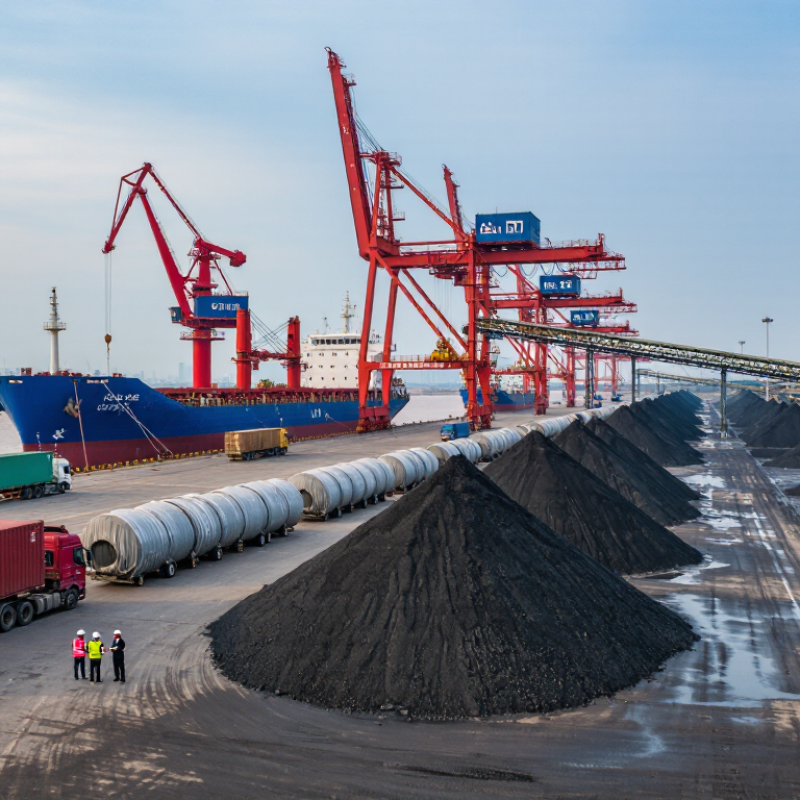
Use vessel size as an initial guide when planning bulk volumes: Handymax, Supramax, and Panamax vessels commonly fall within the deadweight ranges shown. Deadweight is not the same as petroleum coke cargo capacity; actual loadable tonnage depends on the vessel, coke grade and stowage factor, draft limits, and port conditions. Confirm these details with your supplier and shipping provider.
Identify Major Producing Regions and Types of Global Suppliers
Petroleum coke supply follows refinery activity, so production is concentrated near large refining and delayed-coking complexes. China and India are major sources in Asia, while the United States has substantial output along the Gulf Coast. Middle Eastern and other Asian refineries also supply export markets, though availability varies with crude inputs and refinery schedules.
It shifts.
A producing region is not automatically a reliable source for every grade or shipment size.
Bulk buyers commonly approach refineries, specialist petroleum-coke traders, and calcining plants. Refinery suppliers may offer green coke directly; traders can combine cargoes from different origins, while calcining plants supply processed material for suitable industrial uses.
Check the details.
Request a recent certificate of analysis showing sulfur, metals, moisture, and calorific value, then compare it with an independently sampled cargo where practical. Ask about port handling, loading capacity, and whether the quoted volume is firm. A low price can hide inconsistent quality or extra freight costs. Even experienced buyers can misjudge a cargo when a single assay represents a changing production stream.
Compare Direct Producers, Traders, and Industrial Marketplaces
Direct producers can offer clearer visibility into production, grade control, and loading schedules. They may suit buyers needing recurring volumes and consistent specifications. Ask for recent certificates of analysis, production capacity, and a representative sample. Confirm sulfur, ash, moisture, volatile matter, and particle size against your process requirements. Details matter.
Traders can combine supply from different sources or arrange cargoes when one producer cannot meet a target volume. That flexibility may come with extra steps: identify the actual origin, clarify who handles inspection, and document how quality claims are resolved. Not always straightforward. Industrial marketplaces help buyers compare offers across regions, but a listing is only a starting point, not proof of stock or performance. Request dated documents and verify the seller’s authority to offer the cargo.
For any route, compare total delivered cost, not just the quoted price. Check shipment size, port draft limits, freight terms, insurance, and delivery windows. Independent sampling at loading can reduce disputes, especially when specifications include tight tolerances. A spreadsheet can still miss practical issues, like a port’s handling limits. Confirm applicable import, transport, and environmental requirements with qualified local advisers before signing.
Verify Supplier Credentials, Product Quality, and Export Compliance
For bulk petroleum coke, supplier checks should go beyond a polished website or a low quotation. Ask for company registration details, operating history, trade references, and evidence that the seller can fulfill the stated volume. Confirm the loading location and whether the supplier controls the material or acts as an intermediary. Ask for evidence. Clear answers matter.
Request a recent certificate of analysis with values for sulfur, moisture, ash, volatile matter, and particle size. Match these figures to your process requirements, not just a generic product description. Agree on representative sampling and consider independent inspection before shipment. A sample can look consistent while a bulk lot varies. That risk is easy to underestimate.
Tips: Verify export documents, origin records, customs requirements, and transport rules for both the exporting and destination countries. Confirm that names, weights, and product descriptions match across the contract, invoice, packing list, and inspection report. Keep records. Build inspection timing and remedies for out-of-specification material into the purchase terms. Requirements can change, so confirm details with qualified trade or compliance professionals before payment or loading.
Where to Buy Petroleum Coke in Bulk Worldwide? — Verify Supplier Credentials, Product Quality, and Export Compliance
| Sourcing Market or Route | Bulk Buying Approach | Product and Quality Checks | Supplier and Export Verification |
|---|---|---|---|
| North America Refinery and export-terminal supply, including the U.S. Gulf Coast market. | Request offers from the producing refinery or a documented authorized trader. Confirm terminal access, available loading window, port, and minimum parcel before negotiating a bulk cargo. | Specify fuel-grade or calcined material, as applicable. Obtain a recent certificate of analysis covering sulfur, moisture, ash, volatile matter, and calorific value; agree on sampling and independent inspection. | Verify the seller’s legal registration, authority to sell the cargo, origin records, and bank-account details independently. Confirm the applicable export, sanctions-screening, customs, and port requirements for the transaction. |
| Middle East Refinery-linked supply may be available; export availability varies by producer and location. | Approach refinery sales channels or verified bulk traders. Ask for the named loading port, evidence of allocation, shipment schedule, and whether the product is available loose, in bulk, or in another agreed form. | Match the specification to the intended use. Review representative test results and contractual tolerance limits; arrange independent inspection at the agreed point of sampling or loading. | Check company registration and signing authority, and confirm the seller’s relationship to the cargo. Establish the required export permits, customs documents, origin evidence, and destination-country import conditions before payment or shipment. |
| Asia-Pacific Regional production and demand are both significant; trade may be domestic or cross-border. | Compare direct refinery supply with established import/export traders. Confirm whether quoted volume is physically available, the loading location, transport mode, and the delivery term stated in the contract. | Request a cargo-specific analysis rather than relying only on a typical specification. Agree on test methods, sampling frequency, acceptance limits, and procedures for resolving quality disputes. | Verify export eligibility and import rules for both countries, including any applicable product classification, customs declaration, and environmental or handling requirements. Confirm vessel and terminal arrangements with the relevant parties. |
| Latin America and other producing markets Refinery output may be offered for local use or export; volumes and logistics are location-specific. | Use refinery sales contacts or traders whose mandate can be verified. Request a firm quantity, loading period, port or inland delivery point, and a clear statement of who arranges freight and insurance. | Check grade, particle size, moisture, sulfur, ash, volatile matter, and calorific value against the buyer’s process requirements. For calcined petroleum coke, also define the relevant physical and chemical acceptance criteria. | Verify origin, export authorization where required, and the chain of custody from producer to seller. Check that shipping documents, invoice, packing or weight records, and certificate of origin are consistent. |
| International traders and brokers Useful for comparing origins and arranging logistics, but authority and title must be checked. | Request the full supply chain, producer or origin disclosure where available, proof of allocation, and a verifiable route to the loading facility. Avoid relying on an unverified offer or document screenshot as proof of stock. | Make the specification, inspection rights, quality tolerances, weight determination, and remedies for off-spec material explicit in the contract. Use an independent inspection provider agreed by both parties. | Conduct company, beneficial-ownership, reference, and bank-detail checks. Screen relevant parties and vessels under applicable sanctions rules. Use secure, independently verified payment instructions and contract terms reviewed by qualified advisers. |
Assess Pricing, Shipping Options, and Contract Terms Before Purchasing
Bulk petroleum coke purchases depend on more than the quoted price. Compare offers using the same grade, quantity, and delivery basis. Check sulfur, moisture, ash, and metals against a recent certificate of analysis. Ask whether the price is fixed or linked to an index, and confirm how adjustments are calculated. A low price may reflect different quality or exclude costs. Small details matter.
Shipping can change the economics quickly. Compare vessel availability, loading rates, port charges, and inland transport to the final site. Clarify whether the offer is FOB, CFR, or another agreed delivery term, and identify who handles insurance and freight. For longer routes, allow time for weather delays and possible demurrage. Request a realistic shipment window, not just an estimated arrival date. Even careful forecasts can miss.
Contract terms should define product specifications, inspection methods, sampling points, payment timing, and procedures for quality claims. State what happens if delivered material falls outside the agreed limits. Review force majeure language and document requirements before signing. Independent inspection may add cost, but it can reduce disputes over moisture or contamination. I would still treat any headline price as provisional until these details are clear.