Top Bun Feet Sofa Legs for Furniture Buyers
A sofa’s legs shape more than its silhouette. Bun Feet Sofa Legs bring a rounded, grounded profile to sofas, chairs, and cabinets. Their curves can soften a boxy frame, while their height affects seat clearance and visual balance. Small parts matter.
Grand View Research estimated the global furniture market at USD 688.7 billion in 2023, with projected annual growth of 5.9% from 2024 to 2030. This broad market estimate offers useful context, not a measurement of bun feet or replacement legs. Buyers should still judge each component on its own merits. A market forecast cannot confirm a leg’s load capacity, wood species, finish quality, or fit.
Furniture designer Charles Eames captured the importance of such details: “The details are not the details. They make the design.” For buyers, that idea is practical. Check the mounting plate, thread size, stated weight rating, and finish before choosing a style. Measure the existing legs and sofa base; even a small height difference can change the seat feel. Look closely at the grain and joints, too. A smooth photograph may conceal rough machining. And a heavy appearance does not prove a strong connection. The right choice balances proportion with reliable construction, though product listings do not always make comparison easy. That is worth remembering. A careful measurement can prevent an attractive, costly mismatch.
What Top Bun Feet Sofa Legs Are and How They Shape a Sofa
Top Bun Feet Sofa Legs for Furniture Buyers
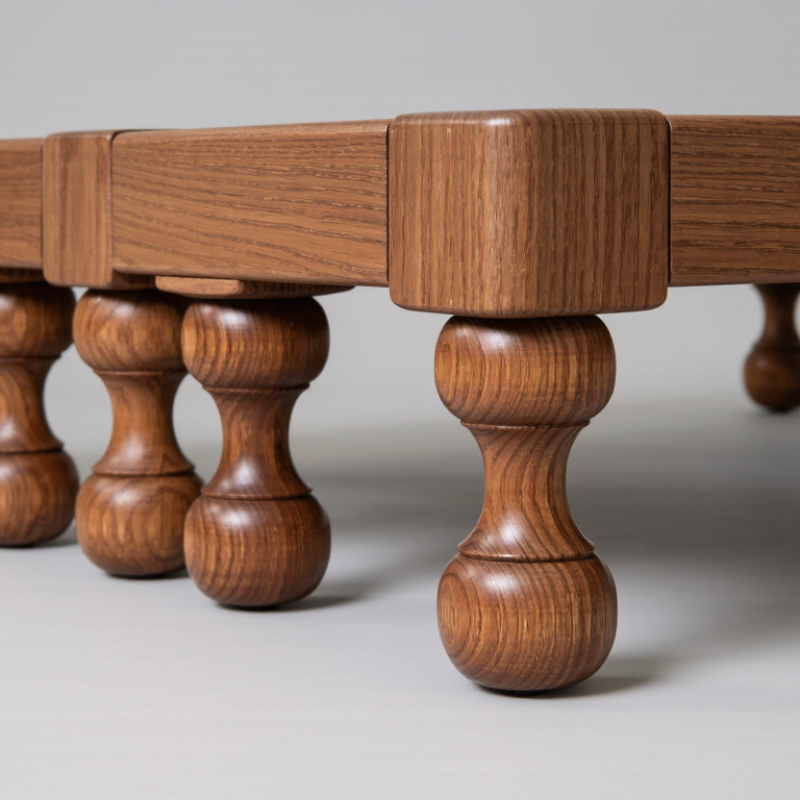
Top bun feet are short, rounded sofa legs with a broad top and a softly curved profile. They usually sit close to the sofa’s frame, so they create a grounded look rather than a tall, airy one. Their compact shape can soften a boxy sofa and add a traditional detail without elaborate carving.
Small detail. Big effect.
The leg’s height and width influence how the whole sofa reads. Lower bun feet make a deep seat appear more substantial, while lighter-colored wood can keep the base from feeling too heavy. On a skirtless sofa, the feet are easy to notice; on an upholstered base, they may appear only as subtle accents. Material, finish, and mounting also matter for durability and fit. Check the sofa frame and fitting measurements before choosing replacements. A drawing can look right, yet feel too heavy in person. There is no single proportion that suits every room.
Tips: Compare the feet’s height with the sofa’s seat height, and test a sample against the upholstery if possible. Check that all legs sit level on the floor. Don’t judge by style alone. A small mismatch in finish can stand out more than expected.
Common Materials, Finishes, and Design Variations
Bun feet give sofas a rounded, lifted profile, but their material affects both appearance and daily performance. Hardwood options often show visible grain and can be sanded or refinished when scratched. They suit traditional rooms, though softer wood may dent under concentrated pressure. Metal bun feet offer a sharper contrast and can feel more contemporary. Some furniture also uses engineered wood, which may look consistent but varies in strength. Check the maker’s load guidance and attachment method before choosing replacements.
Finishes change the character of the same shape. Natural oil keeps grain visible; painted finishes create a cleaner, more uniform look. Dark stains can ground a pale sofa, while brass-toned or matte-black metal adds a distinct accent. Design variations include low, compact feet and taller, more pronounced forms. Taller legs make floor cleaning easier, but they can alter seat height and the sofa’s proportions. Small details matter. A finish sample may look different beside your flooring, so compare them in the room’s actual light.
Tips: Measure the existing legs and mounting plates, not just their visible height. Check that all feet sit level on the floor. Felt pads can help protect hard flooring, but inspect them occasionally; they can shift or collect grit. I once underestimated how much a small height change affected comfort. Not always obvious.
Assessing Strength, Stability, and Floor Protection
Bun feet can give a sofa a grounded look, but shape alone says little about strength. Their rounded profile should sit squarely beneath the frame, with no rocking when you press gently on each corner. For strength, check the material, attachment point, and stated weight capacity. A solid wood foot may feel reassuring, yet a weak screw or thin mounting plate can still loosen over time. Check mounting hardware before installation. If a sofa is heavy, follow the maker’s fitting guidance rather than guessing. Small details matter.
Stability depends on even contact with the floor. Set the sofa down slowly and test it on the actual surface; a slightly uneven floor can make sturdy legs wobble. Still, check twice. Floor protection deserves equal attention. Felt pads can reduce scratches on hardwood, while broader pads may help spread pressure beneath heavier furniture. On tile, confirm that the feet and pads do not slide when the sofa is nudged. Keep pads clean and replace them when compressed or gritty. It is easy to overlook this step during assembly. That is a mistake worth correcting, since trapped dust can mark a floor. Recheck the legs after moving the sofa or tightening its fittings.
Choosing Bun Feet for Your Sofa’s Style and Use
Top Bun Feet Sofa Legs for Furniture Buyers
Choosing Bun Feet for Your Sofa’s Style and Use
Bun feet soften a sofa’s outline, but their shape is only part of the decision. Match their diameter and finish to the sofa’s visual weight: rounded wood feet can balance a broad, low frame, while smaller feet may look lost beneath deep upholstery. Measure the existing leg height and floor clearance before buying. Even a modest height change can affect seat comfort and whether the sofa clears a rug. Check the attachment method, thread size, and each leg’s load rating, too. Ratings may apply to a full set, not one leg.
Use matters as much as style. For a frequently used family sofa, choose a sturdy material and a mounting point that sits firmly against the frame. Protect delicate floors with suitable pads, and check that the feet do not wobble after installation. A sleek finish can look right in a showroom, then show every scratch at home. There is no perfect rule.
Grand View Research estimated the global furniture market at $541.52 billion in 2023 and projected 5.9% annual growth through 2030. That broad market figure is not a guide to sofa-leg quality, but it shows why buyers face many choices. Measure twice; compare specifications, not just photographs.