What Is the Best Type of Arthroscopy Pump in 2026?
Choosing the best Arthroscopy Pump in 2026 is not as simple as comparing pressure ranges or display screens. The right system must support clear visualization while helping the surgical team manage fluid pressure and outflow. Small details matter: the joint being treated, the procedure, tubing compatibility, and how quickly staff can adjust settings. A pump that works well in one operating room may not suit another. There is no single winner for every case.
This guide explains the main pump designs and the features that influence real-world use, including pressure and flow control, setup, alarms, and ease of operation. It also considers how equipment integrates with the surgeon’s technique and the facility’s established workflow. A smooth interface helps, but it cannot replace training or sound clinical judgment. Look closely at published specifications, approved indications, service support, and the manufacturer’s instructions for use. Details can change between models, and product claims deserve careful checking.
The most expensive option is not automatically the best. Nor does a long feature list guarantee better outcomes. This comparison offers a practical framework, not a universal clinical recommendation. The ideal choice depends on the procedure, the care team, and the evidence available for the specific device. Some differences may matter less than expected. That is worth remembering.
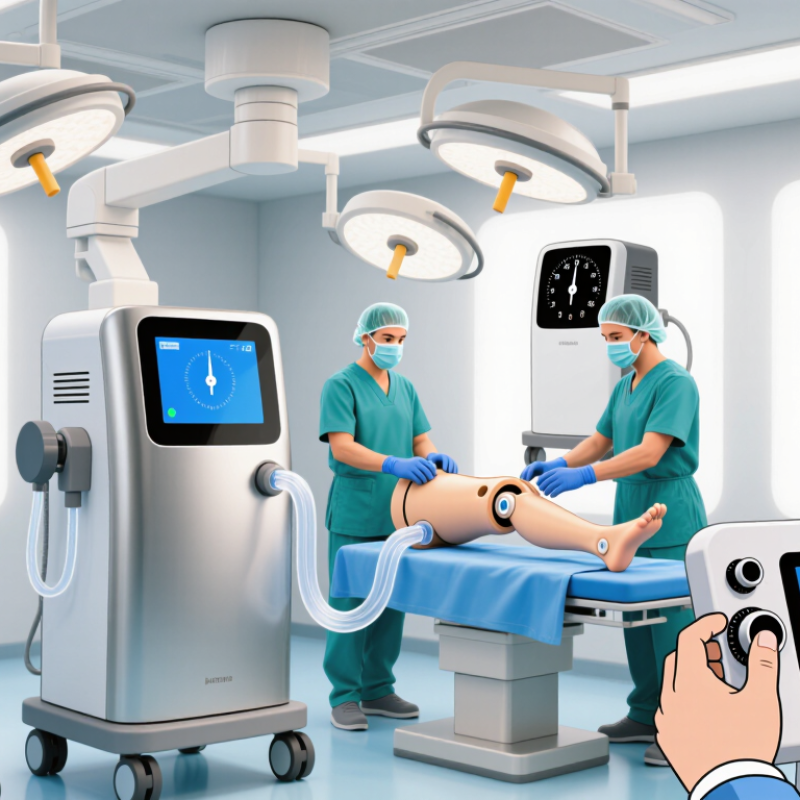
Arthroscopy Pump Basics: Gravity, Roller, and Pressure-Controlled Systems
Arthroscopy pumps manage fluid flow and joint distension, but the best type depends on the procedure, equipment setup, and clinical team’s experience. Gravity systems rely on the height of the fluid bag. They are simple to operate, though flow can change as the bag empties or its height shifts. A small adjustment to the pole may affect the view.
Roller pumps move fluid mechanically, offering more consistent flow than gravity alone. Pressure-controlled systems monitor pressure and adjust fluid delivery toward a selected target. That added control can help maintain a clear view, but readings and performance depend on correct setup, outflow, and the system’s instructions. No pump removes the need to watch the joint and the patient. In practice, pressure numbers can seem reassuring; they are not the whole picture.
Tips: Confirm tubing connections, fluid level, and outflow before use. Follow the device instructions and local clinical protocols. Note how the view responds when settings change. Small details matter. Even experienced teams may need to pause and reassess when the picture does not match the pressure reading.
What Is the Best Type of Arthroscopy Pump in 2026?
Arthroscopy Pump Basics: Gravity, Roller, and Pressure-Controlled Systems
This chart compares each system’s defining mechanism: hydrostatic head, motor-driven rollers, or pressure-sensor feedback. A value of 1 means the mechanism defines that archetype; 0 means it does not. These are categorical labels, not performance scores. The categories can overlap: a roller pump can also use pressure-sensor feedback. The best choice depends on the procedure, desired pressure control, and the clinical team’s requirements.
How Pressure-Controlled Pumps Maintain Typical 40–60 mmHg Joint Pressure
Pressure-controlled arthroscopy pumps are often favored because they adjust irrigation flow to hold a selected pressure as fluid escapes through the outflow cannula. For knee arthroscopy, orthopedic fluid-management reviews commonly describe 40–60 mmHg as a typical working range. It supports visibility without treating pressure as a fixed rule. Small differences matter. The AORN Guideline for Care of Patients Undergoing Arthroscopic Procedures also emphasizes monitoring irrigation and fluid balance; pump readings alone cannot show how much fluid has entered surrounding tissue.
A pressure sensor measures conditions near the pump, not necessarily inside the joint. Tubing resistance, blocked outflow, portal size, and limb position can change the actual pressure at the operative site. That is why surgeons adjust settings to the procedure and watch for swelling, leakage, or a deteriorating view. In practical terms, a clear arthroscope image is useful, but it is not proof that pressure is safe. Published arthroscopy reviews associate higher irrigation pressures with greater fluid extravasation risk, particularly when fluid has limited routes to drain. No setting is perfect. The chosen range should be checked against the patient, anatomy, and observed tissue response.
Pump Comparison: Pressure Stability, Flow Control, and Fluid Use
What Is the Best Type of Arthroscopy Pump in 2026?
Pump Comparison: Pressure Stability, Flow Control, and Fluid Use
The best pump is not simply the one with the highest pressure setting. Stable pressure helps maintain a clear working space, especially when instruments enter and leave the joint. Pressure-controlled pumps respond to changes in pressure, while flow-controlled systems maintain a selected fluid rate. Many current systems combine both approaches. Their performance still depends on setup, tubing, and the procedure.
Look for steady readings during suction and instrument exchange, not just an attractive display at startup. Responsive flow control can clear blood and debris, but excessive inflow may increase fluid use and tissue swelling. Watch the outflow, too. A partly blocked cannula or a loose connection can change the balance between inflow and drainage. Small details matter.
Compare pumps using the same settings and a similar setup. Track pressure recovery, visibility, and the fluid used during representative cases. There is a catch: room conditions and surgical technique can make comparisons messy. A pump’s screen may not tell the whole story. The most suitable system supports the team’s workflow while allowing careful monitoring and adjustment by trained clinicians.
Procedure Needs: Choosing Pumps for Knee, Shoulder, and Small-Joint Arthroscopy
For knee arthroscopy, choose a pump that maintains clear vision as instruments move through the joint, with adjustable pressure and responsive flow. The knee usually tolerates more inflow than a small joint, but higher settings are not automatically better. Start with the lowest pressure that gives a clear view, then adjust when bleeding clouds the field. Practical detail: watch the tubing and suction together.
Shoulder procedures need tighter control. Fluid can escape into surrounding tissue, especially during long cases or when pressure is high. A peer-reviewed review of shoulder-arthroscopy complications identifies pump pressures above about 150 mmHg as a risk factor for fluid extravasation. Treat that figure as a warning, not a target. Pressure-controlled systems help teams respond to changing resistance without simply turning the pump up.
For wrist, ankle, and other small-joint arthroscopy, select a pump with fine low-flow adjustment and stable pressure through narrow cannulas. Small spaces matter. A sudden surge can quickly obscure the view or distend tissue. Match the pump to the joint, cannula, and planned procedure; confirm settings with the surgical team. The awkward part is that no single setting fits every patient, and pump displays do not replace direct observation.
Source: Brislin et al., “Complications of Shoulder Arthroscopy,” Arthroscopy, 2006.
2026 Selection Criteria: Pressure Limits, Tubing Compatibility, and Safety Features
For an arthroscopy pump in 2026, assess pressure control in mmHg, not just the maximum shown on the display. Peer-reviewed shoulder-arthroscopy reviews commonly describe working pressures around 40–80 mmHg and associate higher pressure and longer irrigation with greater fluid-extravasation risk. This is not a universal safe range: joint, surgical approach, and patient factors matter. The pump should allow fine adjustments, display actual pressure clearly, and trigger an alarm when pressure exceeds the clinician’s set limit. A number on a screen is not enough.
Tubing compatibility deserves equal attention. Confirm the pump accepts the intended tubing diameter, connectors, and disposable set, and check that connections remain secure under operating pressure. A poor fit can mean leaks, interrupted flow, or extra setup time. Small details matter. Review the instructions for use and verify compatibility before the procedure, rather than assuming similar-looking sets will work. Useful references include peer-reviewed reviews on shoulder-arthroscopy fluid extravasation and FDA MAUDE device-event reports; MAUDE records can flag safety concerns, but they do not establish event rates. Look for occlusion detection, pressure alarms, and a clear emergency stop. I would also test alarms during setup. That step is easy to overlook.