Best Scaffolding System for Safe Efficient Construction?
The construction industry is increasingly recognizing the importance of an efficient Scaffolding System. According to a report by Research and Markets, the global scaffolding market is projected to reach $64.19 billion by 2026. This growth is partly driven by the need for enhanced safety and efficiency on construction sites. A reliable scaffolding system not only supports workers but also improves productivity.
Implementing the right scaffolding solutions can significantly reduce accidents. The Occupational Safety and Health Administration (OSHA) reports that falls are a leading cause of fatalities in construction. Therefore, choosing a scaffolding system designed with safety features is crucial. Modern systems integrate advanced materials and designs that provide greater stability and worker protection.
However, challenges remain. Many construction companies still face issues with scaffolding management and compliance. Poor training and equipment misuse can lead to severe consequences. Reflecting on these aspects encourages a deeper understanding of the essential role a scaffolding system plays in construction safety and efficiency.
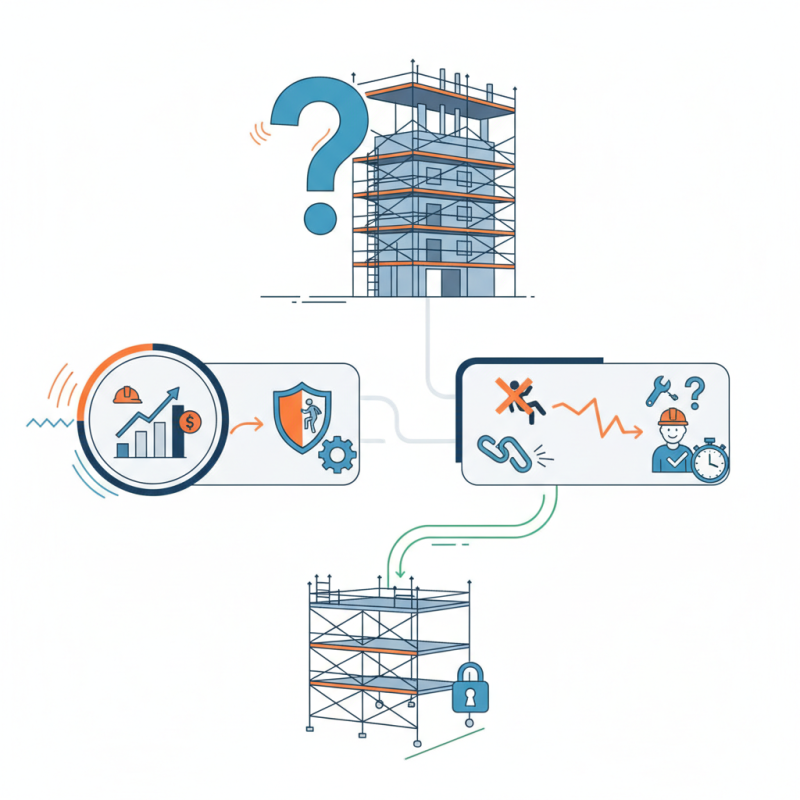
Overview of Scaffolding Systems in Construction
Scaffolding systems play a vital role in construction. They provide a temporary structure that supports workers and materials. Safety is a primary concern. Poorly designed scaffolding can lead to accidents. This emphasizes the need for reliable and robust systems.
Different scaffolding types exist, including frame, system, and tubular. Each type has unique features. For instance, frame scaffolding is easy to assemble and disassemble. However, it may lack the flexibility of other systems. System scaffolding offers pre-engineered components. This can save time but may not suit all projects. Tubular scaffolding is versatile but may require more labor.
A key consideration is the environment. Windy or uneven terrain can affect stability. Regular inspections are crucial to ensure safety. Even a small oversight can lead to serious issues. Workers should receive training on safe practices. Investing in proper scaffolding means prioritizing worker safety and project success.
Key Features of Safe and Efficient Scaffolding
When selecting a scaffolding system, safety and efficiency are paramount. A well-designed scaffold ensures secure access to elevated areas. Key elements include durability, load capacity, and ease of assembly. Materials used in construction matter. High-quality steel or aluminum scaffolding can withstand heavy loads and last through tough weather.
Ergonomic features also enhance user experience. Adjustable heights and modular designs accommodate various projects. Workers should efficiently configure and dismantle scaffolding without risking injury. Regular maintenance checks can prevent accidents. Identify signs of wear and replace damaged components promptly.
Training is equally important. Workers must understand safety protocols. This includes using personal protective equipment and recognizing limits of the scaffolding system. Despite proper design, human errors can occur. Continuous education and awareness can help mitigate risks on-site. Striving for improvement in safety practices can lead to better outcomes in construction projects.
Types of Scaffolding: Pros and Cons
Scaffolding plays a crucial role in construction safety and efficiency. Different types of scaffolding can be chosen based on project needs. Each type has its pros and cons that should be carefully evaluated.
Frame scaffolding is quite popular for its ease of assembly. It is versatile and can be used for various projects. However, it may not be the best choice for tall structures. This type can wobble without proper bracing. Always check stability before use.
Tips: Ensure proper inspection of all parts. A reliable safety checklist is essential. Regular training for workers on scaffold safety can prevent accidents.
Another option is suspended scaffolding, perfect for high buildings. It allows for easy access to elevated areas. Yet, it requires permanent support structures. This system can be complicated to set up. Mismanagement can lead to falls or injuries.
When choosing between types, consider your site conditions. Assess the weight limits and height requirements. Always aim for
balance between functionality and safety. Each scaffold type will have specific requirements. Expect some trial and error in setup for optimal safety and efficiency.
Factors to Consider When Choosing a Scaffolding System
Choosing the right scaffolding system is crucial for both safety and efficiency in construction. One key factor is the load capacity. Ensure that the scaffolding can support the weight of tools, materials, and workers. An inadequate capacity can lead to accidents. Assess the specific requirements of your project before deciding.
Mobility is another important consideration. Some jobs require scaffolding that can be easily moved, while others need a more stable, fixed option. Think about the workspace around the scaffolding. Will the area be overly congested or open? This can affect your choice.
Tips: Always check for safety ratings. Review installation guidelines thoroughly. A system that is difficult to set up might not be the best choice. Think about training staff to use the system correctly. It’s not just about having a system; it’s about using it safely and effectively. Regular maintenance inspections are crucial. They help in identifying wear and tear that could pose safety risks.
Best Practices for Scaffolding Safety and Efficiency
Scaffolding is essential for efficient construction. However, safety concerns cannot be overlooked. Workers must always wear proper personal protective equipment (PPE). Regular inspections of the scaffolding system are crucial. Damaged components should be replaced immediately to prevent accidents.
Training is another important aspect. All workers should know how to use scaffolding correctly. A lack of knowledge can lead to mistakes. For example, improper loading can cause scaffolding to collapse. Clear communication among team members is vital. It avoids misunderstandings that could result in injury.
Before starting any project, a thorough risk assessment is necessary. Identifying potential hazards helps in planning for safety. Workers often overlook small details, which can be dangerous. Maintaining a clean work area reduces risks. Clutter can lead to trips and falls. Each step taken increases overall safety and efficiency.