Best Safety Helmet for Maximum Protection and Comfort?
In the world of construction and safety, choosing the right gear is crucial. Experts like Dr. Jennifer Holt, a Safety Helmet design specialist, emphasize, “A well-fitted safety helmet can mitigate injuries by up to 50%.” This highlights the importance of selecting a safety helmet that offers both protection and comfort.
When evaluating safety helmets, several factors come into play. The fit of a safety helmet is paramount; it must sit securely without compromising comfort. Many users report headaches and discomfort when helmets are poorly designed. This shows that not every safety helmet lives up to the expectations of protection.
Additionally, the materials used in making safety helmets can significantly impact their effectiveness. While some helmets boast advanced materials, others may fall short. Understanding these nuances is essential for anyone prioritizing safety. As we explore the best safety helmets available, it's important to consider both their protective features and the comfort they offer during prolonged use.
Types of Safety Helmets and Their Applications
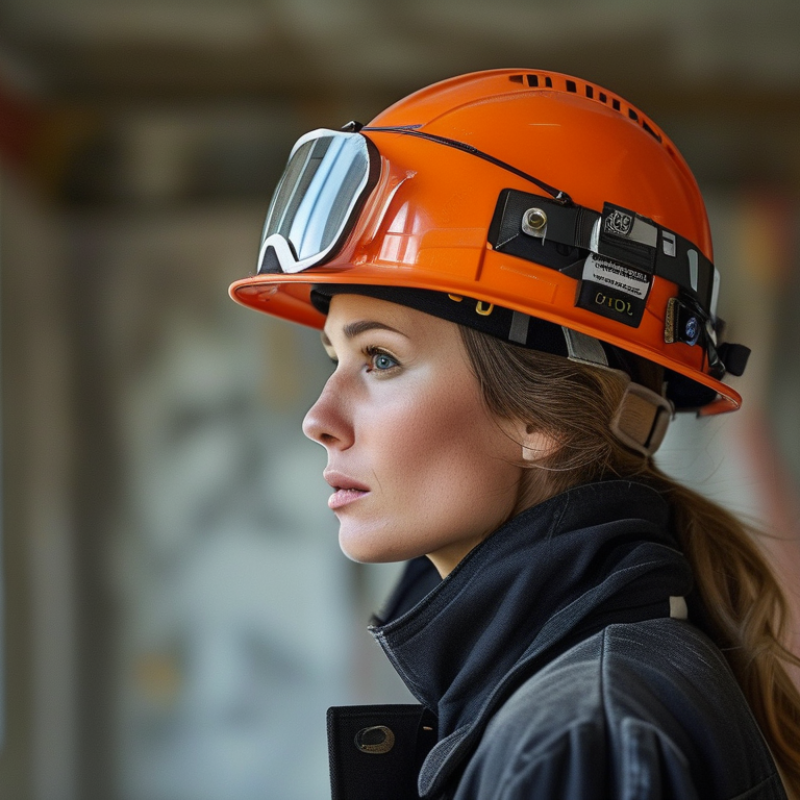
Safety helmets come in various types, each designed for specific applications. Construction work often requires hard hats that meet stringent impact resistance standards. These helmets protect from falling objects and accidental bumps. They usually feature a hard outer shell and an inner foam layer for shock absorption. Some have a chin strap to keep them securely in place.
Industrial environments might call for helmets with additional protection features. Earmuffs or face shields can be attached, offering extra safety for workers in noisy or hazardous conditions. Some helmets are designed for specific tasks, such as welding or working with electrical components. These helmets provide insulation and shielding from heat and sparks, offering better protection to workers.
While most helmets adhere to safety standards, user comfort is often overlooked. Many workers find certain designs heavy or cumbersome. A helmet that fits poorly can lead to discomfort or lack of engagement. It’s crucial for employers to consider ergonomic designs. Workers need to wear helmets without hesitation to maximize their safety on the job. Regular feedback from users can significantly influence better helmet designs and improvements.
Key Features for Maximum Protection in Safety Helmets
When it comes to safety helmets, comfort and protection are paramount. An effective safety helmet should meet specific standards and possess key features to ensure maximum protection. Research indicates that over 80% of head injuries in the workplace can be prevented with proper headgear. Helmets that incorporate multi-layered impact absorption systems significantly reduce trauma risk from falls or collisions.
Ventilation is another critical aspect. A helmet with effective airflow helps maintain comfort, especially during prolonged use. Studies show that comfort increases user compliance, leading to a dramatic decline in injuries. Some designs now feature adjustable vent systems, allowing users to customize airflow based on their needs.
Finally, weight and balance matter. A helmet that feels heavy or unbalanced can lead to user fatigue. Lightweight materials like advanced polymers enhance comfort without sacrificing safety standards. Many experts suggest that optimal helmet designs should consider real-world scenarios, ensuring helmets are both protective and comfortable for all-day wear. Addressing these factors can lead to a more reliable head protection solution in various environments.
Best Safety Helmet for Maximum Protection and Comfort? - Key Features for Maximum Protection in Safety Helmets
| Feature | Description | Importance | Comfort Level |
| Material | High-impact ABS or fiberglass for durability | Critical | Moderate |
| Weight | Lightweight design for all-day wear | Important | High |
| Ventilation | Airflow channels to reduce heat buildup | Vital | High |
| Adjustment System | Easy-to-use ratchet or turn-dial for a snug fit | Critical | Very High |
| Chin Strap | Secure and comfortable for proper fit | Important | High |
| Certification | Meets OSHA, ANSI, or other safety standards | Vital | N/A |
| Padding | Removable and washable for hygiene | Important | Very High |
Assessing Comfort: Fit, Weight, and Ventilation in Safety Helmets
When selecting a safety helmet, comfort is crucial. Fit, weight, and ventilation significantly impact user experience. A poorly fitted helmet can lead to discomfort and reduced safety. Studies indicate that over 50% of workers report discomfort with their helmets, which can distract from the task at hand.
Weight also plays a vital role in helmet comfort. A lighter helmet can reduce fatigue and improve worker productivity. Research shows that a helmet weighing less than 1.5 pounds enhances user satisfaction. Ventilation is equally important, especially in hot environments. Helmets with adequate ventilation systems can reduce heat buildup, leading to increased comfort. According to industry reports, well-ventilated helmets can decrease the likelihood of heat-related illnesses by up to 30%.
Despite advancements, some helmets still fall short in terms of optimization. Many helmets do not have adjustable features, limiting their fit versatility. This can leave many users with an uncomfortable experience. Therefore, it is essential to continuously assess and improve helmet design and technology to ensure maximum protection without compromising comfort.
Assessing Comfort in Safety Helmets
This chart illustrates the assessment of comfort in safety helmets, focusing on three key dimensions: Fit, Weight, and Ventilation. Each dimension represents an average rating determined through user surveys on comfort levels.
Material Innovations: Enhancing Safety and Comfort in Helmet Design
Innovations in helmet materials have transformed safety design in recent years. New synthetic materials, such as advanced thermoplastics and carbon composites, offer improved impact resistance. These materials are not only lighter but also provide more comfort during extended wear. Helmets today often feature moisture-wicking liners and adjustable padding systems, enhancing user comfort. This is critical in ensuring that the helmet isn’t just a safety tool but also pleasant to wear.
Yet, the journey toward creating the perfect safety helmet is ongoing. While current designs prioritize comfort and protection, there are still challenges. Some users report discomfort after prolonged use, particularly in humid conditions. It's essential for manufacturers to consider airflow and ventilation as key areas for improvement. Additionally, user feedback highlights the need for better sizing and fit adjustments.
The evolving landscape of helmet technology reflects a commitment to safety and user experience. Innovations should not just aim for compliance with safety standards. They must also address the real-world challenges users face. Continuous testing and user feedback will help in refining designs. Effective solutions will ensure that every helmet delivers on its promise of maximum protection and comfort.
Choosing the Right Safety Helmet for Different Work Environments
When selecting a safety helmet, it’s crucial to consider the specific work environment. Different settings have unique risks that helmets must address. For instance, construction sites demand hard hats that can withstand impacts and falls. In contrast, electrical work requires helmets with non-conductive materials. The ability to absorb shock is essential in high-risk areas.
Choosing a helmet with a secure fit is equally important. A loose helmet might not protect you effectively during an accident. Look for adjustable features and padding for comfort. Ensure the straps are snug, as a secure fit can save in dangerous situations. Reflect on how helmet weight affects your comfort during long shifts. Heavier helmets may cause fatigue, reducing your overall focus and safety.
Evaluate additional features that enhance protection. Helmets with visors protect against falling debris and harsh weather. Ventilation systems can improve comfort and reduce overheating. While advanced features might add cost, investing in safety equipment can save lives. Regularly inspect your helmet for signs of wear or damage. A helmet’s condition directly impacts its efficacy. Remember, comfort and safety go hand in hand in promoting better work performance.