Best Light Fixtures for Modern Homes and Offices?
Choosing the right Light Fixtures can profoundly impact modern homes and offices. Light fixtures shape the ambiance of a space. They can highlight design elements and improve functionality. These pieces are not just about illumination. They blend aesthetics with practicality.
In contemporary settings, diverse styles are available. From minimalist designs to statement pieces, the options are vast. Each selection should reflect personal taste and complement existing decor. However, the wrong choice can disrupt the overall harmony of a room. Proper illumination can enhance productivity in an office or evoke relaxation at home.
Quality light fixtures are vital for both style and efficiency. Investing in durable and energy-efficient options pays off in the long run. Remember, the right fixture can elevate any environment, while a poor choice can dull its beauty. Thinking through your options carefully leads to a more cohesive, inviting space. Ultimately, the best light fixtures not only brighten a room but also resonate with those who use it.
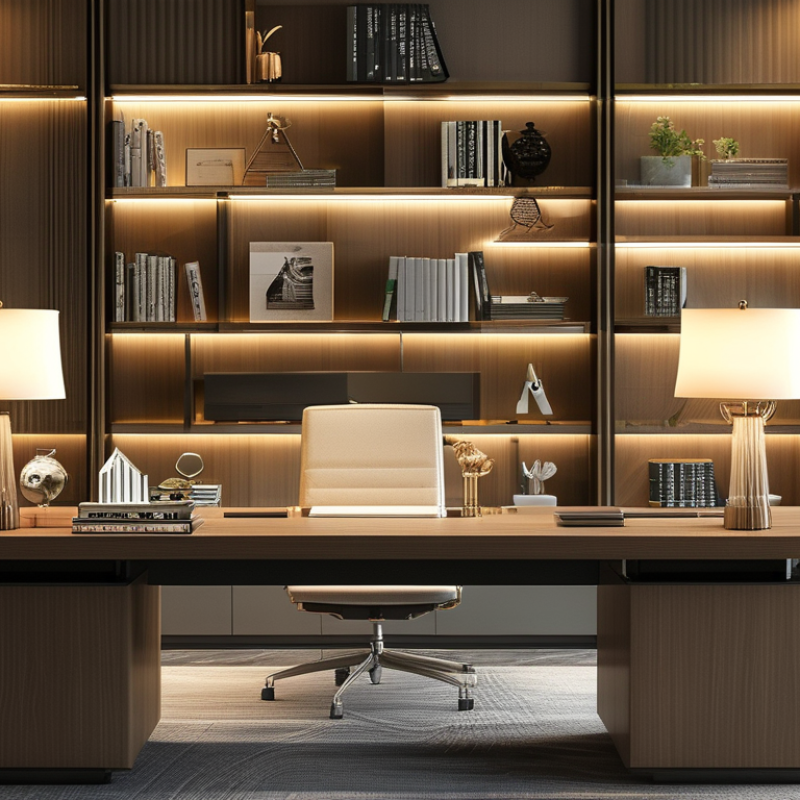
Types of Light Fixtures Suitable for Modern Decor
When selecting light fixtures for modern homes and offices, it’s essential to choose styles that blend form with function. Pendant lights have become increasingly popular. They create dramatic focal points, especially when hung over dining tables or kitchen islands. Choose fixtures with clean lines and innovative shapes to enhance the contemporary feel.
Recessed lighting offers a sleek solution, providing a minimalist aesthetic. This type hides the fixtures within the ceiling, creating a seamless look. However, some may find it lacks the character of more visible designs. Wall sconces can add both ambient and task lighting. They work well in narrow spaces and can be placed at varying heights for a unique touch.
Table and floor lamps also play a vital role in modern decor. Opt for designs with geometric bases and fabric shades in neutral tones. These can enhance a room's ambiance while serving a practical purpose. Balancing functionality with style can be challenging. Ensure each light fixture harmonizes with the overall design theme for a cohesive look.
Key Features to Consider in Modern Light Fixtures
When choosing light fixtures for modern homes and offices, consider several key features that enhance both functionality and aesthetics. A recent report by the National Lighting Bureau indicates that proper lighting can increase productivity by up to 20%. Therefore, selecting fixtures that provide adequate illumination is crucial. Look for adjustable brightness and color temperature options to create versatile environments. Dimmer switches offer more control, enabling users to modify lighting based on tasks or moods.
Another important aspect is energy efficiency. According to the U.S. Department of Energy, LED lights consume at least 75% less energy than incandescent bulbs. Selecting fixtures that support LED technology can drastically reduce energy bills. Additionally, designs that incorporate natural materials or minimalist styles often foster a calming atmosphere, which is vital in both residential and workspace settings. However, be cautious of trends that may not stand the test of time; timeless designs often yield more lasting satisfaction.
Don’t overlook smart technology. Many modern fixtures now support wireless connectivity, allowing users to control lighting remotely or automate schedules. Research shows that homes with smart lighting systems can save up to 50% in energy costs annually. It’s essential to balance innovation with practicality, ensuring that features align with your lifestyle and needs. As you explore options, reflect on your space’s unique requirements and how the fixtures will complement or enhance the overall design.
Best Light Fixtures for Modern Homes and Offices
| Fixture Type | Key Features | Ideal Use | Energy Efficiency |
| Pendant Lights | Adjustable height, Stylish designs | Dining areas, Kitchens | LED options available |
| Wall Sconces | Ambient lighting, Space-saving | Hallways, Living rooms | CFL and LED compatible |
| Recessed Lighting | Minimalistic look, Adjustable direction | Ceilings, Staircases | High energy efficiency |
| Table Lamps | Portable, Versatile design | Offices, Bedrooms | LED recommended |
| Floor Lamps | Height variation, Adjustable brightness | Living rooms, Reading areas | Energy-saving options |
| Chandeliers | Luxurious designs, Multiple lights | Dining rooms, Lobbies | LED compatible |
Popular Materials Used in Contemporary Lighting Designs
Contemporary lighting design blends functionality with aesthetics. Popular materials significantly shape modern light fixtures. Metal, glass, and acrylic dominate today’s market. According to a recent report by the American Lighting Association, metal fixtures have gained a 40% market share. This trend reflects a preference for durability and a sleek finish that complements modern decor.
Glass also plays a critical role. Designers favor clear or frosted glass due to its versatile nature. Many new light fixtures use blown glass for organic shapes. This material adds elegance while diffusing light softly. A study from the International Association of Lighting Designers indicates that glass designs are favored in over 30% of new installations.
Acrylic provides an innovative alternative to glass. It's lightweight, shatter-resistant, and available in various colors. Many designers appreciate its versatility. However, some industry experts warn about its potential yellowing over time. Trends show a growing interest in combinations of materials, balancing aesthetics and sustainability. This evolution reflects a commitment to both beauty and practicality in contemporary lighting.
Best Lighting Styles for Home and Office Spaces
Choosing the right lighting style is key for both modern homes and offices. The latest research shows that proper lighting can enhance productivity by up to 20%. For home spaces, warm lighting creates a sense of comfort. LED fixtures are popular for their energy efficiency and long lifespan, often lasting over 25,000 hours. This can significantly lower electricity bills.
In office environments, task lighting is essential. Desk lamps with adjustable brightness cater to individual needs. Studies indicate that well-lit workspaces reduce eye strain and increase employee satisfaction. Incorporating natural light can further boost morale, as employees feel more connected to the outside world.
However, one must consider the balance between aesthetics and function. Overly bright lights can cause discomfort. Light fixtures must complement the interior design without overwhelming it. Finding the right fixtures can be a challenge. Experimenting with different styles might lead to unforeseen outcomes. Engaging a professional for guidance can clarify these complexities, ensuring that both style and function are achieved effectively.
Energy Efficiency and Sustainability in Modern Lighting Choices
In modern homes and offices, energy efficiency in lighting is crucial. According to the U.S. Department of Energy, LED lighting can reduce energy consumption by up to 75% compared to traditional incandescent bulbs. This shift significantly decreases electricity bills and lowers carbon footprints. Adopting energy-efficient lighting supports sustainability goals while maintaining aesthetic appeal.
However, not all modern fixtures optimize energy usage. The design and placement of lighting can impact efficiency. Studies show inefficient designs can waste up to 40% of the light produced. Furthermore, lighting systems that lack proper controls can lead to unnecessary energy use. This calls for a thoughtful approach to lighting choices, integrating smart technologies to maximize efficiency.
Emphasizing natural light is also essential. Research indicates that access to daylight improves productivity and well-being. Thoughtful design can reduce reliance on artificial light. Using skylights or large windows can harness natural light effectively. Nonetheless, achieving the perfect balance between ambiance and efficiency is challenging. Reflecting on these factors is key to making informed lighting decisions.
Energy Efficiency Ratings of Popular Lighting Options
This chart displays the energy efficiency ratings of various modern lighting options commonly used in homes and offices. The ratings are based on lumens per watt (lm/W), indicating how effectively each option converts electricity into visible light.