Best Dental Floss for Healthier Teeth and Gums?
Maintaining oral health is essential, and Dental Floss plays a significant role in this. Many people overlook its importance, focusing only on brushing. However, dental floss is vital for removing food particles and plaque from areas that toothbrushes cannot reach. This can lead to healthier teeth and gums.
Choosing the best dental floss for your needs can be overwhelming. With so many options available, it's easy to feel lost. The right dental floss should not only fit your teeth comfortably but also be effective in cleaning. Some may prefer waxed floss, while others lean towards unwaxed. Each type has its benefits and drawbacks, which can leave you questioning your choice.
It’s crucial to be informed about dental care products. Many individuals make common mistakes in their flossing techniques. Over time, these practices can lead to gum irritation or ineffective cleaning. Understanding the nuances of dental floss can empower you to take charge of your oral hygiene. The journey to healthier gums requires both knowledge and consistency.
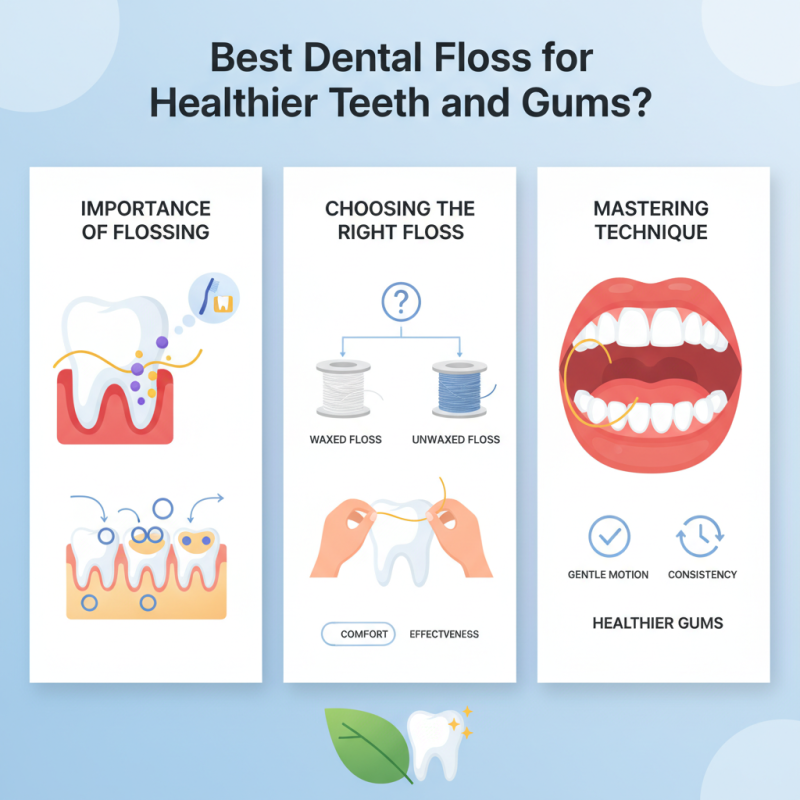
Overview of Dental Floss and Its Importance for Oral Health
Dental floss plays a crucial role in maintaining oral health. Regular use helps remove plaque and food particles between teeth, areas that toothbrushes often miss. According to the American Dental Association, approximately 30% of people floss daily. Ignoring this simple step can increase the risk of gum disease and cavities.
Research shows that individuals who floss regularly have healthier gums. Studies indicate they experience less gum inflammation and periodontal issues. In the long run, this can lead to lower dental care costs and better overall health. The link between oral health and overall health is well-established. Neglecting flossing might seem minor, but it impacts long-term wellness.
Tips for effective flossing: - Choose the right floss material.
- Waxed floss slides better between tight teeth.
- Try to use about 18 inches of floss, wrapping it around your fingers.
- Gentle action is key to avoid hurting gums.
- Remember to floss before brushing to maximize benefits.
- Reacting to discomfort is important. If flossing causes pain, consider consulting a dentist to address any potential gum issues.
Types of Dental Floss: Material and Design Differences
Dental floss is essential for oral health. Understanding the types can help you choose the best one for your needs. There are various materials used, including nylon and Teflon. Nylon is soft and flexible. It can fray and get stuck between teeth. On the other hand, Teflon is smoother and slides between teeth more easily. A study published in the Journal of Periodontology found that Teflon floss can reduce plaque buildup more effectively.
The design of dental floss also matters. Waxed floss tends to glide better than unwaxed varieties. This can be crucial for people with tightly spaced teeth. A survey by the American Dental Association showed that 55% of users felt waxed floss was less prone to breaking. However, some experts argue that unwaxed floss can offer better grip and control. It can sometimes be more effective at cleaning between the teeth, especially in cases of gum disease.
Despite these choices, many people still do not floss daily. A report by the Centers for Disease Control and Prevention found that only 30% of adults floss regularly. This suggests that even with the right tools, consistent usage is a challenge. Individuals might struggle to find the right type or may not fully understand its benefits. Addressing these concerns is crucial for improving oral hygiene practices.
Benefits of Regular Flossing for Teeth and Gum Health
Regular flossing plays a crucial role in maintaining healthier teeth and gums. According to the American Dental Association (ADA), 40% of plaque buildup occurs in areas that a toothbrush can’t reach. If neglected, this plaque can lead to cavities and gum disease. Studies indicate that flossing can reduce gum disease risk by up to 30%. This statistic underscores the importance of making flossing a routine part of daily oral hygiene.
The benefits of regular flossing extend beyond just preventing cavities. It helps to promote fresher breath and prevents the buildup of harmful bacteria. Research shows that people who floss regularly report improved gum health and lower incidences of inflammation. Flossing removes debris and food particles that brushing alone may miss, leading to overall oral well-being.
Tips: Choose the right floss type that suits your needs. Whether waxed or unwaxed, find what feels comfortable. Flossing technique is key. Use gentle motions to avoid gum damage. Make a mindful effort to floss daily. It takes time to develop this habit, so be patient with yourself as you adjust to it. Embrace small improvements, as every bit counts toward better oral health.
Best Dental Floss for Healthier Teeth and Gums
| Floss Type | Material | Benefits | Recommended For |
| Waxed Dental Floss | Nylon | Easier to slide between tight teeth | Individuals with tightly spaced teeth |
| Unwaxed Dental Floss | Nylon | More effective at removing plaque | Individuals with wider gaps between teeth |
| Floss Picks | Plastic and Nylon | Convenient and easy to use | People who travel frequently |
| Cordless Water Flosser | Electronic | Cleans hard-to-reach areas | Individuals with braces or implants |
| Silk Dental Floss | Silk | Biodegradable and gentle on gums | Eco-conscious individuals |
How to Choose the Right Dental Floss for Your Needs
Choosing the right dental floss can significantly impact your oral health. It is essential to understand your specific needs before making a decision. Consider the spacing between your teeth. Floss varies in thickness and texture. If you have tight gaps, a traditional waxed floss may glide more easily.
Think about the type of dental floss that suits your lifestyle. For instance, some people prefer the convenience of floss picks. However, they can lack the effectiveness of full-length floss. Reflect on your flossing habits; if you struggle to find time, flavored floss may make the task more pleasant.
Also, be aware of any sensitivities your gums may have. Certain types can irritate tender gums. You may even need to experiment with different materials, such as nylon or PTFE. Each type has its advantages and disadvantages. Don’t hesitate to consult your dentist for personalized advice. A professional opinion can provide valuable insights tailored to your dental needs. Understanding the options available is a step towards healthier teeth and gums.
Best Dental Floss for Healthier Teeth and Gums
Best Practices for Flossing Technique to Maximize Benefits
Flossing is essential for maintaining healthier teeth and gums. Proper technique can enhance its effectiveness. When flossing, hold the floss tightly between your thumbs and index fingers. Use a gentle sawing motion to slide the floss between your teeth. Avoid snapping the floss, as this can damage your gums.
Tips: Focus on one tooth at a time. Curve the floss around each tooth in a C shape. This ensures you clean all sides effectively. Remember to floss behind your last tooth, too. Many overlook this area, leading to plaque buildup.
Consistency is key. Floss at least once daily. Some people find it easier to floss at night. Others prefer morning sessions. Choose what works best for you. Don't rush the process. Take your time to ensure a thorough clean. If you experience discomfort or bleeding, consider adjusting your technique. You might need more practice to refine your approach.