
Blog

10 Best Chicken Layer Cage Suppliers Worldwide

Choosing a Chicken Layer Cage supplier is a practical decision, not a showroom contest. A system must fit the flock, building dimensions, daily routines, and available service support. Small details matter: smooth welds, steady drinker lines, accessible feed troughs, and manure belts that run without frequent adjustment. They shape everyday work.

Poultry welfare researcher Donald Broom defined welfare as “the state of an individual as regards its attempts to cope with its environment.” That principle offers a useful lens for evaluating housing equipment. A cage specification should be considered alongside bird access to feed and water, ventilation, inspection routines, and the farm’s management plan. Capacity alone tells little.

This guide reviews ten Chicken Layer Cage suppliers worldwide, with attention to product range, materials, automation options, technical guidance, and after-sales support. It is not a universal ranking. A supplier suited to a large, newly built facility may not serve a smaller farm well. Ask for clear specifications, installation references, spare-parts details, and support arrangements before comparing offers. Inspect the details.

Even strong brochures leave questions unanswered. Confirm dimensions, service access, and compatibility with existing equipment directly with each supplier. Then weigh the evidence against your own site conditions. The best choice is the one your team can operate, maintain, and assess reliably over time.
10 Best Chicken Layer Cage Suppliers Worldwide

What Chicken Layer Cages Are and How They Support Egg Production

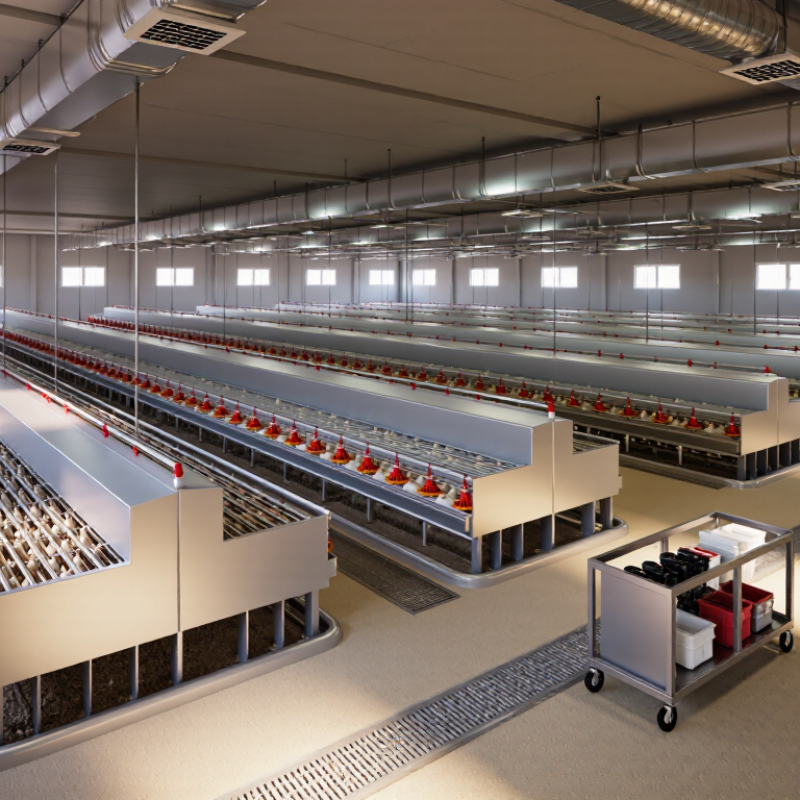
Chicken layer cages are structured housing units for hens that lay eggs. They provide designated spaces for feeding, drinking, resting, and laying. Depending on the design, eggs roll onto collection belts, reducing floor contact and making daily gathering more predictable. Workers can also inspect feed lines, water nipples, and manure areas with less disturbance to the flock. Small details matter: a blocked nipple or uneven feed flow can affect many birds quickly.

FAOSTAT’s 2024 data release records roughly 91 million tonnes of eggs produced worldwide in 2022. That scale makes reliable housing and routine monitoring important, but cages alone do not ensure good output. Ventilation, stocking density, lighting, hygiene, and trained care all influence flock health and egg quality. Designs differ in space, furnishings, and access to nesting areas; producers should check current welfare guidance in their operating region. A tidy system can still hide problems. That deserves attention.

Tips: Check water flow and belt movement each day. Watch for wet manure, broken eggs, or hens avoiding feeders. Keep a simple log of feed use, mortality, and egg counts; patterns often reveal trouble before a quick visual check does.

How to Evaluate Chicken Layer Cage Suppliers Worldwide

10 Best Chicken Layer Cage Suppliers Worldwide

How to Evaluate Chicken Layer Cage Suppliers Worldwide

A dependable supplier should explain how its cage system fits your flock size, housing layout, and daily workflow. Ask for drawings with dimensions, aisle widths, feeder access, and manure-belt details. Small details matter. Check whether the quoted equipment includes drinker lines, spare parts, installation guidance, and staff training. Missing items can turn a low quote into a costly project.

Inspect materials and construction rather than relying on polished photos. Request specifications for wire thickness, coatings, weld quality, and corrosion resistance. Ask for test records or references from farms using a similar system and climate. A video call can help, but it cannot replace seeing equipment in operation. If possible, arrange an independent site visit.

Compare warranty terms, delivery timelines, and response procedures for faults. Ask who handles installation questions after shipment, and how quickly replacement parts can be dispatched. Clear answers are useful. Vague promises are not. A supplier may have strong engineering but limited local support, so check this carefully. Even a thorough checklist can miss practical problems; confirm that workers can reach drinkers and remove trays comfortably before committing.

How to Evaluate Chicken Layer Cage Suppliers Worldwide

Use these suggested weights as a comparison framework—not as measured supplier rankings. Assess product quality and durability, animal-welfare design, hygiene and biosecurity, automation and service, regulatory compliance, spare-parts availability, and total cost using consistent evidence from each supplier.

Profiles of Ten Chicken Layer Cage Suppliers

Profiles of Ten Chicken Layer Cage Suppliers

FAOSTAT recorded roughly 93 million tonnes of eggs in shell worldwide in 2022. That scale makes equipment reliability and service capacity important purchasing checks. These ten supplier profiles reflect different strengths, not brand rankings. Supplier 1 focuses on automated feeding; Supplier 2 on manure belts; Supplier 3 on ventilation integration; Supplier 4 on compact farm layouts; Supplier 5 on corrosion-resistant steel. Supplier 6 offers project design; Supplier 7 emphasizes spare-parts access; Supplier 8 serves large-scale installations; Supplier 9 supports retrofits; Supplier 10 provides practical equipment for smaller operations. Capabilities vary by model and region.

Request drawings, material specifications, warranty terms, and references from farms with similar climates. Ask how quickly key parts can be replaced. A polished brochure is not enough. Compare usable floor area, bird access to feeders, egg collection routes, and cleaning access. These details affect daily work and maintenance. Some suppliers may describe capacity differently, so verify the measurement basis before comparing quotations. I would also check whether local technicians can commission and service the system; this is easy to overlook.

Tips: Ask for a site-specific layout and a written list of included components. Confirm belt, motor, and control-system specifications. Visit an operating installation if possible, and speak with its farm manager. Real conditions can be messier than a sales demonstration.

10 Best Chicken Layer Cage Suppliers Worldwide - Profiles of Ten Chicken Layer Cage Suppliers

Anonymous, non-ranked sourcing profiles. Company and brand names are intentionally omitted. The entries describe supplier markets and common equipment categories; they are not independently verified profiles of specific businesses. Confirm product specifications, certifications, references, and service coverage directly with each supplier.

Profile Supplier market Relevant equipment categories Project details to verify Due-diligence checks
Supplier profile 01 Germany Layer housing systems; cage and alternative-housing equipment Bird capacity, cage dimensions, manure handling, and compatibility with the farm layout Request drawings, material specifications, installation references, and local service terms
Supplier profile 02 Netherlands Layer housing; egg collection and farm automation equipment Egg-handling capacity, conveyor interfaces, controls, and retrofit requirements Check system integration details, spare-parts availability, and commissioning scope
Supplier profile 03 Italy Layer cages; feeding, drinking, and manure-removal components Feeder and drinker configuration, belt materials, and cleaning access Ask for component-level specifications and written warranty conditions
Supplier profile 04 Spain Layer housing systems; egg and manure handling equipment Building dimensions, aisle access, belt routes, and planned flock capacity Verify engineering responsibility, delivery schedule, and installation support
Supplier profile 05 United States Commercial poultry housing and associated feeding, watering, and egg-handling systems Applicable housing format, electrical requirements, and regional code considerations Confirm the system is suitable for the intended market and production standard
Supplier profile 06 France Poultry housing equipment; layer-farm environmental and handling systems Ventilation interfaces, climate-control compatibility, and equipment layout Request documented performance data and references for comparable installations
Supplier profile 07 China Poultry cages and layer-farm equipment, with configurations dependent on supplier Steel grade, coating thickness, component tolerances, and export packing Inspect samples or production records; confirm inspection, shipping, and after-sales terms
Supplier profile 08 India Layer cages and poultry-farm equipment; available automation varies by supplier Local installation capacity, project scale, and compatibility with existing buildings Check completed-project references, replacement-part lead times, and service coverage
Supplier profile 09 Turkey Poultry housing and layer equipment; export scope varies by manufacturer Export documentation, design drawings, delivery terms, and site installation scope Clarify applicable standards, inspection arrangements, and warranty jurisdiction
Supplier profile 10 Brazil Poultry production equipment, including layer-farm systems offered by some suppliers Climate suitability, corrosion protection, logistics, and local technical support Verify product availability, regional references, and service arrangements for the destination

Note: Country-level entries are sourcing-market examples, not a ranking or endorsement. Cage legality and permitted housing systems vary by jurisdiction; check current local regulations before purchasing.

Comparing Cage Designs, Materials, and Farm Compatibility

Choosing among chicken layer cage suppliers means comparing more than quoted capacity. A-frame systems can suit farms with modest buildings and straightforward access, while H-frame layouts often use vertical space more efficiently. Check aisle width, tier height, and room for workers to inspect birds and equipment. Small measurements matter.

Materials shape service life. Galvanized steel resists corrosion, but coating quality and weld finish deserve close inspection. Ask for coating details, sample joints, and cleaning guidance rather than relying on a broad durability claim. Plastic components can reduce weight, though their fit and replacement availability should be verified. I would not pretend one design suits every farm.

Farm compatibility depends on existing buildings, flock size, climate, and daily routines. Compare drinker placement, feed distribution, manure removal, and ventilation access against the farm’s actual layout. Request drawings with dimensions and installation requirements, then confirm them with the site team. A polished brochure is not enough. Ask how spare parts are supplied and what training is included. If possible, speak with operators using a similar setup. Their maintenance notes may reveal details a sales sheet misses. Even careful comparisons leave some uncertainty; record assumptions before signing off on a design.

Assessing Supplier Pricing, Installation, and After-Sales Support

Comparing chicken layer cage suppliers starts with the full installed cost, not the headline price. Request itemized quotes covering cage rows, feeders, drinkers, manure belts, freight, site preparation, and commissioning. FAOSTAT reports roughly 90 million tonnes of hen eggs produced worldwide in 2022, underscoring the scale of this market. Yet production volume alone cannot tell you which system suits your farm. Not always.

Check what the installation price actually includes. Ask for layout drawings, crew size, installation duration, and operator training. Confirm who handles uneven floors, electrical connections, and adjustments after the first flock enters. A cage system may look straightforward on paper, but small alignment errors can affect belt tracking and water delivery. Compare suppliers using the same house dimensions and bird capacity; otherwise, the cheapest quote may simply omit essential work.

After-sales support deserves equal scrutiny. Get warranty terms in writing, including coverage for motors, drinker lines, and replacement parts. Ask how quickly technicians respond and whether common parts are stocked near your region. Request references from farms with similar climates and operating scale. A polished presentation is not proof of reliable service. Even careful comparisons have limits: delivery delays, local labor, and site conditions can change the final cost. Ask suppliers to state those assumptions clearly.