
Blog
Top Camping Gas Grills for Outdoor Cooking
Choosing the right Camping Gas Grill can transform a simple campsite meal into a reliable outdoor cooking experience. A good model should heat evenly, start easily, and remain stable on uneven ground. It should also pack without turning your vehicle into a storage puzzle.
Steven Raichlen, a respected barbecue author and educator, once said, “Barbecue is not just cooking; it is a way of life.” That idea fits camping well. Outdoor cooking is practical, social, and occasionally unpredictable. Wind may steal heat. A small burner may struggle with a heavy pan. Grease can collect around the edges. These details matter when comparing the top Camping Gas Grill options.
This guide examines portable grills through real cooking needs. We consider burner performance, fuel efficiency, cooking space, cleanup, transport, and weather resistance. We also look at practical features, such as locking lids, removable grease trays, sturdy feet, and accurate controls. Some grills promise restaurant-style results, but campsite reality is less polished. A compact grate may leave cold spots. A lightweight frame may feel fragile after repeated trips.
That does not make a grill useless. It makes honest testing essential. The best choice depends on your group size, travel style, cooking habits, and tolerance for extra preparation. Expect trade-offs. A powerful grill may consume fuel faster. A larger surface may reduce portability. With those limitations in mind, the following recommendations focus on dependable performance rather than exaggerated claims.
What Makes a Camping Gas Grill Suitable for Outdoor Cooking
A suitable camping gas grill must balance heat control, portability, and safe fuel handling. In practical campsite testing, a stable lid matters more than shiny finishes. It protects the flame from sudden wind and helps food cook evenly. A useful model should also provide steady low heat for vegetables, not only intense heat for steaks. The U.S. Energy Information Administration reports that propane contains about 91,500 British thermal units per gallon. This high energy density supports compact fuel storage, but consumption still depends heavily on burner design and weather.
Weight is another decisive factor. A grill that feels manageable at home can become awkward after a long walk from the vehicle. Look for sturdy legs, a secure lid latch, and handles that remain cool during use. The National Fire Protection Association has reported thousands of residential fires involving grills each year, with gas leaks and poor placement among recurring concerns. Keep the appliance outdoors, away from tents, dry grass, and overhanging branches. Never treat a windscreen as optional when flames are exposed.
Cooking surfaces should be large enough for a modest meal without wasting fuel. A removable grease tray simplifies cleaning, though I have found some trays too shallow during fatty cooking. That flaw deserves attention. Check ventilation, regulator quality, and hose connections before every trip. A grill may be lightweight, powerful, and still unsuitable if its controls feel vague or its base shifts on gravel. Reliable outdoor cooking depends on small details under real conditions.
Main Types of Camping Gas Grills and Their Cooking Features
Top Camping Gas Grills for Outdoor Cooking
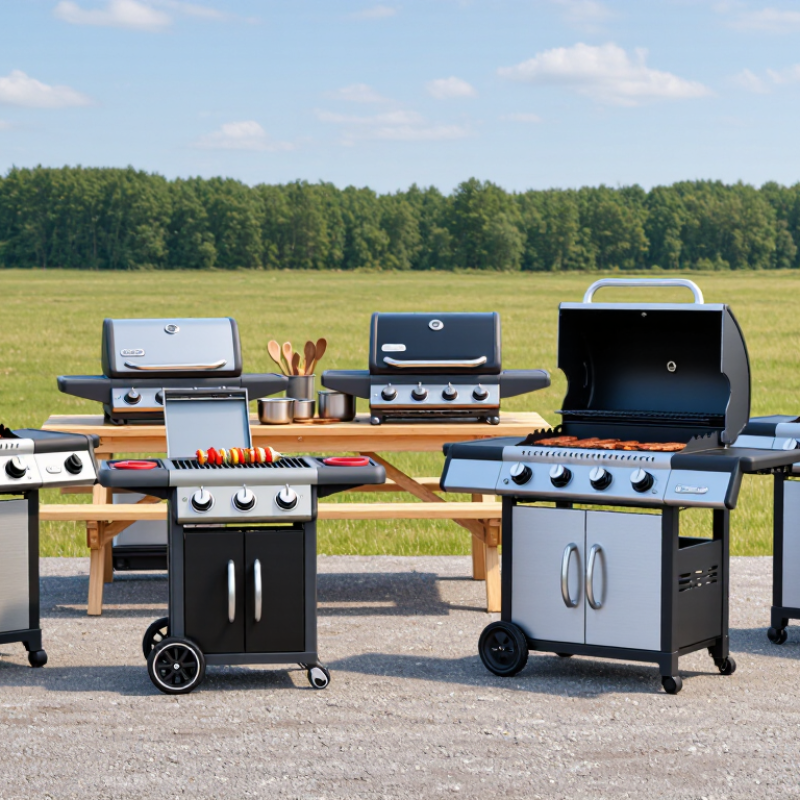
Camping gas grills generally fall into three practical types: tabletop models, freestanding grills, and stove-grill hybrids. Tabletop units suit short trips because they fit beside a folding table and heat quickly. Their small cooking surfaces work well for burgers, fish fillets, and sliced vegetables. Freestanding grills offer larger grates and steadier working height, which helps when cooking for several people. They also consume more fuel. Stove-grill hybrids combine a burner and a grill plate, making them useful for boiling water, frying eggs, and searing meat at one campsite.
Small, but capable. Some models distribute heat unevenly, especially near the edges.
Cooking features matter more than appearance. Look for independently controlled burners, a lid thermometer, removable grease trays, and wind-resistant burner shields. A cast-iron grate holds heat well, while stainless steel usually cleans faster. Portable canister systems reduce setup time, but larger refillable cylinders can support longer cooking sessions.
The Outdoor Industry Association’s 2024 Outdoor Participation Trends Report recorded 175.8 million U.S. outdoor participants in 2023, showing why adaptable equipment matters across varied trips.
Safety still limits convenience. The NFPA report Home Structure Fires Involving Grills, Hibachis, or Barbecues found an annual average of 11,421 related home fires from 2017 to 2021. Keep the grill outdoors, check connections with soapy water, and leave clearance around the lid and sides. I sometimes value maximum heat too much; controlled, moderate heat usually protects food and fuel.
Key Factors for Choosing the Right Camping Gas Grill
Top Camping Gas Grills for Outdoor Cooking
Key Factors for Choosing the Right Camping Gas Grill
A suitable camping gas grill should match your trip, not just your appetite. Check its packed size, total weight, and fuel connection before buying. A compact grill fits a small vehicle, while a larger cooking surface helps families prepare food together. Heat output matters, but higher heat does not always mean better cooking. Even heat distribution prevents burnt edges and cold centers. Look for sturdy grates, stable legs, and a lid that closes firmly. Stainless steel or coated surfaces usually resist outdoor moisture, though every material needs care.
Tips: Test the ignition before leaving home. Pack a small brush, heat-resistant gloves, and a spare approved fuel canister. Keep the grill on level, nonflammable ground, away from tents and dry grass. Never use it inside a tent, vehicle, or enclosed shelter. Wind can weaken the flame, so a built-in wind shield is useful. However, avoid blocking ventilation around the burner.
Cleaning design is easy to overlook. Removable grease trays simplify maintenance after a long day outside. Check that replacement parts and compatible regulators are available in your area. I once underestimated table space and placed utensils on the ground; it was inconvenient and unhygienic. A side shelf would have helped. Still, extra features add weight, so choose only what you will genuinely use. Test the grill with a simple meal before camping. That small trial may reveal uneven heating, awkward controls, or a lid that feels less secure than expected.
A practical way to compare camping gas grills is to consider heat output, fuel efficiency, cooking capacity, portability, and wind protection. The chart estimates how long one pound of propane can supply different burner outputs. It uses the standard energy content of propane: approximately 21,548 BTU per pound.
How to Set Up and Use a Camping Gas Grill Safely
Top Camping Gas Grills for Outdoor Cooking
How to Set Up and Use a Camping Gas Grill Safely
Choose a stable, level surface away from tents, vehicles, dry grass, and overhanging branches. Keep the grill at least 10 feet from buildings and combustible materials. NFPA’s Home Grill Fires report recorded an average of 11,421 home grill fires annually from 2017 to 2021. Those fires caused about 180 civilian injuries each year. Small cooking areas still deserve serious attention.
Before connecting the cylinder, check the hose for cracks, stiffness, or damaged fittings. Keep the cylinder upright and outside the grill cabinet. Apply soapy water to connections, then open the valve slowly. Bubbles indicate a leak. Close the valve immediately and replace the damaged part. Never test with a flame. Open the lid before ignition, because trapped gas can flash suddenly. Light the burner while standing to the side, not directly above it.
Keep a spray bottle and a suitable extinguisher nearby. Watch the flame when wind changes. Food can burn quickly on compact burners, especially with thin pans. I still recheck the valve twice, even after years of outdoor cooking. That habit feels excessive, but rushing is easier than admitting a setup is unsafe. NFPA 58 also emphasizes upright cylinder storage, ventilation, and careful connection procedures. After cooking, turn off the burners first, then close the cylinder valve. Let every surface cool completely before packing the grill.
Cleaning, Maintenance, and Storage for Long-Term Performance
A camping gas grill performs better when grease does not become a second cooking surface. Let it cool completely before cleaning. I remove the grate and brush away food debris with a stiff, nonmetallic brush. Warm water and mild dish soap usually handle the remaining film. A damp cloth cleans the lid, control area, and folding legs without forcing water into the burner openings. Dry every part before reassembly. Moisture trapped underneath can encourage rust.
I inspect the burner ports before each trip. A soft brush clears ash and insects, but sharp tools can enlarge the openings and create uneven flames. I also examine the hose and connections for cracks, stiffness, or damage. A soapy-water leak check around the connection can reveal bubbles. Never ignore them. After use, I close the gas supply and keep the grill covered only when it is fully dry. Store the appliance in a cool, dry, ventilated place, away from rain and direct heat. Keep the gas cylinder upright and follow local storage instructions. I once packed a grill too soon and found sticky residue and surface rust days later. That mistake was avoidable. Inspect it again before packing. Small habits matter.