What are the Benefits of Using Floating Barriers in Water Management?
Water management is a critical aspect of environmental sustainability. One innovative solution gaining attention is the Floating Barrier. These structures play a vital role in controlling water pollution and protecting ecosystems. Their design allows them to float on the water's surface, effectively capturing debris and pollutants.
Floating Barriers can also prevent the spread of invasive species. By acting as physical barriers, they protect native habitats. However, the effectiveness of Floating Barriers depends on proper installation and maintenance. There can be challenges in ensuring they stay in place during storms and adverse conditions.
Using Floating Barriers represents a proactive approach to water management. They are not a one-size-fits-all solution, and there’s room for improvement. Continuous research and adaptation are essential for maximizing their benefits and addressing potential shortcomings. Emphasizing these aspects highlights both the promise and the complexities of using Floating Barriers in our waterways.
Benefits of Floating Barriers in Controlling Water Pollution
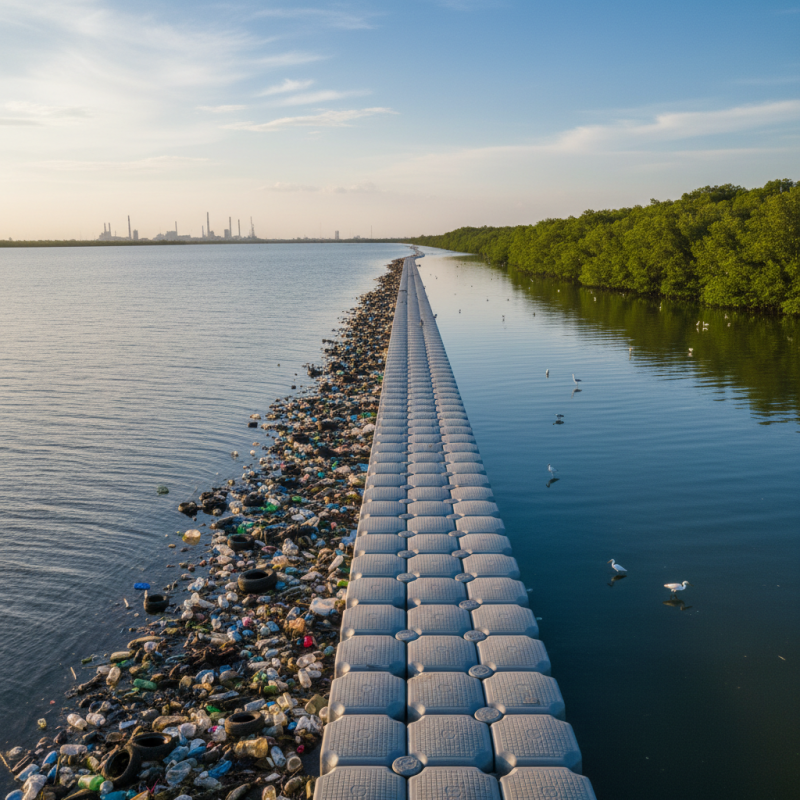
Floating barriers have emerged as a practical solution in water management, particularly for controlling water pollution. These barriers float on the water's surface, preventing debris, oil, and other pollutants from spreading. They act as a first line of defense against contamination. As they reduce the dispersion of harmful substances, their use can enhance the health of aquatic ecosystems.
The barriers are versatile and can be deployed in various environments, from urban lakes to coastal areas. They can efficiently contain waste during floods or spills. However, the effectiveness of these barriers depends on proper installation and maintenance. Sunlight, weather conditions, and water flow can challenge their performance. Regular assessments are vital to ensure they function optimally and address potential weaknesses.
While floating barriers provide multiple benefits, their implementation should not be a standalone solution. They need to be part of a comprehensive water management strategy. Community involvement and education are essential to support water quality initiatives. Challenges in public perception and environmental impact assessments may arise. A reflective approach to utilizing these barriers can lead to better outcomes in pollution control efforts.
Impact on Aquatic Ecosystems and Wildlife Protection
Floating barriers have emerged as effective tools in water management, especially in protecting aquatic ecosystems. These barriers can reduce debris and pollutants, preventing them from entering fragile habitats. Studies indicate that aquatic habitats benefit significantly when these barriers are deployed effectively. For instance, the United Nations Environmental Programme highlights that properly placed floating barriers can mitigate up to 90% of surface debris in targeted areas. This reduction helps maintain the ecological balance and supports wildlife diversity.
However, the impact on local wildlife must be carefully considered. Floating barriers can inadvertently disrupt natural habitats if not placed thoughtfully. Birds and fish may be affected if barriers limit their movement or access to breeding grounds. A report from the World Wildlife Fund emphasizes the importance of conducting environmental assessments before installation. Understanding migratory patterns of species and seasonal changes is crucial. Hence, while barriers can protect, their design and placement require meticulous planning. Balancing effective management with wildlife protection remains a challenge for water conservation efforts.
Enhancing Flood Management and Water Flow Regulation
Floating barriers are innovative tools in water management. They play a significant role in enhancing flood management and regulating water flow. By utilizing these barriers, cities can better control and direct water during heavy rains or storms. This is crucial for minimizing flood risks in vulnerable areas.
In many regions, heavy rainfall leads to overwhelming water accumulation. Floating barriers help capture excess water, directing it to designated areas. This not only protects infrastructure but also helps recharge groundwater levels. Moreover, they can mitigate pollution by trapping debris and contaminants before they reach crucial bodies of water. The effectiveness of these barriers highlights the need for continued investment in sustainable water management solutions.
However, there are challenges to consider. The installation and maintenance of floating barriers require careful planning. They must be designed to withstand strong currents and seasonal changes. Local ecosystems also need consideration, as barriers could disrupt habitats. Rethinking these aspects is essential for improving their overall effectiveness. Water management is not a one-size-fits-all approach; it requires constant adaptation and innovation.
Benefits of Using Floating Barriers in Water Management
| Benefit | Description |
| Enhanced Flood Management | Floating barriers can effectively divert excess water, reducing flooding in vulnerable areas. |
| Water Quality Improvement | They help in trapping debris and pollutants, which enhances the overall water quality. |
| Erosion Control | Floating barriers assist in reducing soil erosion along shorelines and riverbanks. |
| Wildlife Protection | They provide a physical barrier that helps protect aquatic life from human activities. |
| Cost-Effective Solution | Compared to traditional barriers, floating barriers can lower installation and maintenance costs. |
| Modular Flexibility | The systems can be adjusted easily, allowing custom configurations for various water bodies. |
Cost-Effectiveness of Floating Barriers in Water Management Projects
Floating barriers are increasingly recognized as a cost-effective solution in water management projects. A report from the International Journal of Environmental Research estimated floating barriers can reduce water pollution management costs by up to 30%. These barriers help capture debris and control contaminants, minimizing cleanup expenses. Their installation requires less infrastructure compared to traditional methods, leading to significant savings.
The versatility of floating barriers is evident in various applications. For example, they can be deployed in lakes, rivers, and coastal areas with minimal environmental disruption. Additionally, the operational and maintenance costs are lower than alternatives. According to the Environmental Protection Agency, ongoing maintenance typically costs less than 10% of initial installation for floating barriers. This statistic highlights their long-term financial viability.
Despite these advantages, there are challenges. The effectiveness of floating barriers can diminish in harsh weather conditions. Strong currents and high winds may limit their performance. Stakeholders must consider these factors during project planning. Careful site assessments are crucial for optimal placement. This awareness will ensure that barriers fulfill their intended function efficiently while remaining cost-effective.
Innovative Applications of Floating Barriers in Urban Water Systems
Floating barriers are revolutionizing urban water management by providing innovative solutions for various challenges. These barriers serve as a physical separation to control debris, pollutants, and invasive species. They can effectively capture floating litter, contributing to cleaner waterways. Imagine a city where clean rivers enhance biodiversity and attract tourists. This is possible through the strategic use of floating barriers.
Implementing these barriers comes with its challenges. For instance, cities must consider installation costs and regular maintenance. It is crucial to ensure that barrier systems do not disrupt local wildlife. Collaboration with environmental experts is essential.
Tips for effective use of floating barriers include conducting thorough site assessments before installation. This ensures the barriers are placed in areas with high litter accumulation. Regular monitoring for operational efficiency can help address any issues, like debris build-up or damage. Engaging with local communities can also enhance public awareness and support for maintaining these water management systems.
Benefits of Using Floating Barriers in Water Management
This chart represents the various benefits associated with floating barriers in urban water management, illustrating the percentage of importance attributed to each benefit based on industry surveys.