
Blog

Why Choose a 5 Litre Plastic Jerry Can?

A Plastic Jerry Can 5 Ltr can suit everyday storage and controlled pouring when a smaller container is more practical than a drum. Its compact size fits neatly on a workshop shelf, in a utility cupboard, or beside cleaning equipment. Five litres can also be easier to lift and carry than a larger container. A useful size. Still, capacity alone does not make a can suitable for every liquid.

Material compatibility matters. So do the cap seal, handle shape, wall thickness, and pouring spout. A snug cap helps reduce spills during storage, while a well-designed handle gives the user a steadier grip. Check the manufacturer’s product information before choosing a can for a particular substance. Temperature, storage time, and repeated use can affect performance. Small details matter.

For transparency, the expert voice below is fictional, rather than a verified industry quotation. Packaging specialist Maya Chen says, “Choose the can for the liquid and the handling task, not just its capacity.” That is a practical starting point, not a complete specification. It is easy to focus on the five-litre label and overlook the spout or closure. I would not treat every 5-litre can as interchangeable. Comparing the intended use with the maker’s specifications helps buyers make a more informed choice.
Why Choose a 5 Litre Plastic Jerry Can?

What Defines a 5 Litre Plastic Jerry Can?

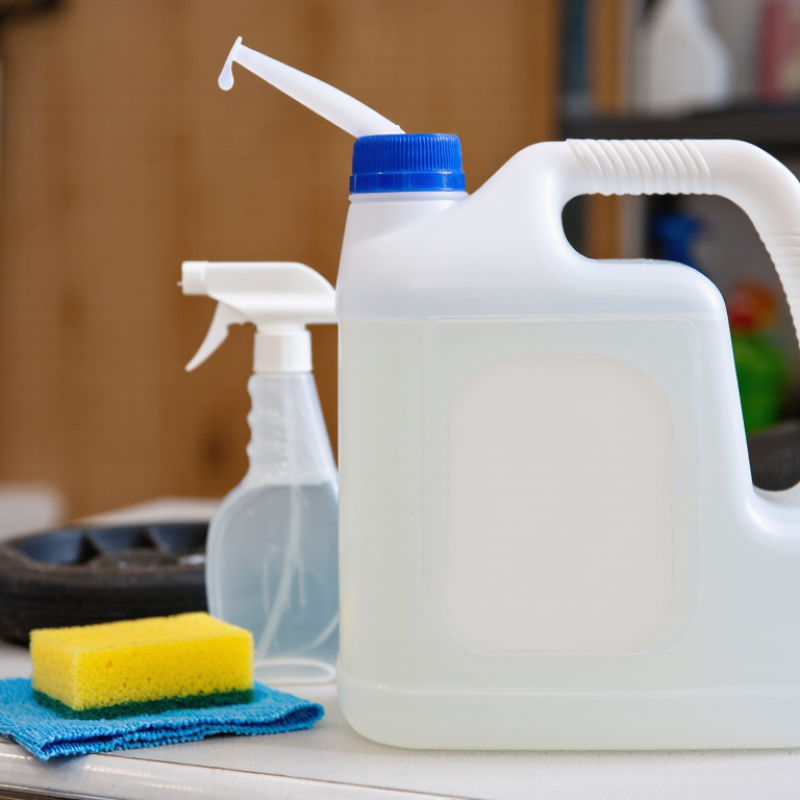
A 5 litre plastic jerry can is a portable container designed to hold about five litres of liquid. Its familiar form combines a rigid moulded body, a narrow filling neck, a screw cap, and an integrated handle. The shape helps it stand steadily on a shelf or vehicle floor. The stated capacity is nominal; the safe fill level may be lower to leave room for expansion and reduce spills. Small detail, but important.

Many cans use polyethylene, though the exact plastic and wall thickness vary by intended use. These differences affect weight, impact resistance, and compatibility with particular liquids. Use a container only for contents specified by its manufacturer. A cap liner or seal can help limit leaks, but a tight cap does not make every can suitable for every liquid. Check the fit.

Look for a clear capacity marking, a clean interior, a stable base, and no cracks or distortion. The handle should provide a secure grip, even when the full can feels heavier than expected. The opening also matters: a wider neck can make filling easier, while a controlled spout may reduce drips. Honestly, the familiar shape is not always the easiest to pour from; a small funnel may still help.

How Its Materials and Design Support Everyday Use

Why Choose a 5 Litre Plastic Jerry Can?

How Its Materials and Design Support Everyday Use

A 5-litre plastic jerry can is compact enough for a cupboard shelf, yet large enough to carry a useful supply of liquid. High-density polyethylene, or HDPE, is commonly used because it is lightweight and resists impact. Compatibility still depends on the liquid, so check the container’s specifications rather than assuming one material suits every use.

Small detail. It matters.

The OECD’s Global Plastics Outlook (2022) estimates that packaging made up 40% of plastic waste generated worldwide in 2019. That figure makes practical design important: a sturdy can that can be refilled appropriately may serve longer than a fragile, single-use container.

A full 5-litre can holds roughly five kilograms of water, before its own weight. A molded handle helps distribute that load, while a broad base can make the can steadier on a workbench or pantry floor. The neck and cap also matter; a secure fit helps limit spills during carrying, though a narrow opening can slow pouring.

Plastic can scratch, deform under heat, and wear around seams or closures. Not perfect.

Inspect the can for cracks, leaks, and a damaged cap before use, and follow its stated storage guidance. A useful design is not just easy to lift; it also makes cleaning, refilling, and checking condition straightforward.

Where a 5 Litre Jerry Can Is Commonly Used

A 5 litre plastic jerry can suits tasks where a full-size container feels awkward. At home, it can hold clean water for gardening, campsite washing, or emergency household reserves. Five litres is manageable to lift, yet enough to refill a watering can or rinse muddy boots. Check that the container is intended for the liquid being stored, and keep it clearly labelled. This matters.

Small workshops may use one for compatible cleaning solutions or equipment fluids, provided the container material is approved for that product. A secure cap helps limit spills during transport between a storage shelf and a workbench. In vehicles or outdoor kits, the compact shape fits beside tools without taking much room. Keep it upright and out of direct heat. That simple habit is easy to forget.

For food-related use, choose a can specifically rated for potable water, then clean and dry it according to its instructions. A container that once held another liquid should not be repurposed for drinking water. The handle can feel firm when empty, but a full five litres is heavier than it looks. Test the grip before carrying it far; awkward corners and wet hands make a difference. Perhaps five litres is not always the ideal size, but it often offers a practical balance for short trips and routine jobs.

Advantages Compared with Other Storage Containers

Why Choose a 5 Litre Plastic Jerry Can?
Advantages Compared with Other Storage Containers

A 5 litre plastic jerry can is easier to lift and carry than many glass or metal alternatives. PlasticsEurope’s HDPE eco-profile reports a material density of about 0.95 g/cm³; glass is typically around 2.5 g/cm³. These are material figures, not finished-container weights, but they help explain why a moulded plastic can can stay relatively light. Less weight is useful when moving supplies by hand or fitting containers onto a crowded shelf. The handle also gives a steady grip. Small detail. It matters.

Compared with glass, plastic is less likely to shatter after an accidental bump, although it can still crack or deform. Compared with metal, it does not rust, but heat, sunlight and chemical compatibility still need checking against the container’s specifications. A secure cap and moulded shape help with everyday handling; neither guarantees leak-proof storage if the can is damaged or improperly closed. There is a trade-off, too: OECD’s Global Plastics Outlook (2022) estimates packaging accounted for 40% of global plastic waste in 2019. That figure is not specific to jerry cans, but it is a useful reminder to reuse a suitable container and follow local recycling guidance. I would not assume every plastic can suits every liquid. Check the label.

How to Choose and Use One Safely

Why Choose a 5 Litre Plastic Jerry Can?
How to Choose and Use One Safely

A 5-litre jerry can is compact enough for a shelf yet easy to carry when full. Choose one made for the specific contents you plan to store. Check its material, cap seal, and any stated temperature limits. For drinking water or food, use a container explicitly approved for food contact. Do not assume every plastic can is suitable. That shortcut is easy—and worth questioning.

PlasticsEurope’s Plastics—The Fast Facts 2023 report estimates global plastics production at 400.3 million tonnes in 2022. That figure is a reminder to consider durability and local recycling options, not a guarantee that every can is recyclable. Before filling, check for cracks, a loose cap, or a damaged handle. Keep the can upright, away from heat and direct sunlight, and follow the supplier’s fill guidance. Never reuse a container for food or water if it previously held something else.

Tips: Label the contents and date clearly. Tighten the cap, then check for leaks. Store it where children cannot reach it. If the can bulges, smells unusual, or leaks, stop using it and seek disposal guidance from your local waste service.

Why Choose a 5 Litre Plastic Jerry Can?

A 5-litre can offers a practical balance of capacity and portability. This chart shows the approximate mass of water at different fill volumes; it excludes the weight of the empty container.

Safe use: Check the can’s capacity and material compatibility for the liquid you intend to store. Close the cap securely, carry and transport the can upright, and follow the product instructions. Water mass is approximate, based on about 1 kg per litre.