Why Choose Baking Finish Industrial Safety Helmet for Your Team?
In today's industrial workplaces, safety is non-negotiable. One essential piece of equipment for protecting workers is the Baking Finish Industrial Safety Helmet. This helmet stands out due to its robust design and high-quality materials. Workers exposed to hazardous environments need reliable head protection, and this helmet delivers.
A Baking Finish Industrial Safety Helmet not only meets safety standards but also offers durability. The baking finish provides a resilient layer that withstands harsh conditions. Over time, employees may overlook head protection, leading to increased risks. A helmet that combines safety with comfort can encourage consistent use. Employers must recognize the importance of providing quality gear to their teams.
Choosing the right safety equipment reflects a company’s commitment to worker well-being. Investing in Baking Finish Industrial Safety Helmets ensures that your team feels protected and valued. This choice may seem simple, but it has profound implications for workplace safety culture. Every detail counts in creating an environment where employees can thrive without fear.
Understanding the Importance of Industrial Safety Helmets in Workplaces
Industrial safety helmets play a crucial role in protecting workers in hazardous environments. These helmets are designed to absorb impact and shield the head from falling objects. Without proper headgear, serious injuries can occur, potentially leading to life-altering consequences. In industries such as construction, manufacturing, and mining, the risk of head injuries is significant. Evidence shows that helmets reduce these risks significantly.
Choosing a high-quality helmet goes beyond mere compliance. It reflects the company's commitment to employee safety. A durable helmet can withstand various conditions, ensuring consistent protection. Many helmets offer features like adjustable straps and ventilation systems, enhancing comfort during long hours. However, not all helmets are created equal; improper fit or worn-out gear may compromise safety. Regular inspections and proper maintenance are essential practices.
In a workplace where safety is prioritized, employees feel valued. A culture of safety fosters trust and boosts morale. Nevertheless, the challenge lies in ensuring consistent adherence to safety protocols. Employees must be educated on the importance of wearing helmets daily. Open discussions about safety concerns can empower the workforce and create a safer environment.
Importance of Industrial Safety Helmets in Workplaces
What Makes Baking Finish Helmets Stand Out in Safety Gear?
When selecting safety helmets, the baking finish is a notable option. These helmets are designed for durability and resistance to harsh environments. The unique baking finish enhances their protective qualities, making them less vulnerable to scratches and impacts. This feature is essential for teams in high-risk industries, ensuring that each member has reliable head protection.
Tip: Regularly inspect your helmets for signs of wear. A small crack could lead to big problems in safety.
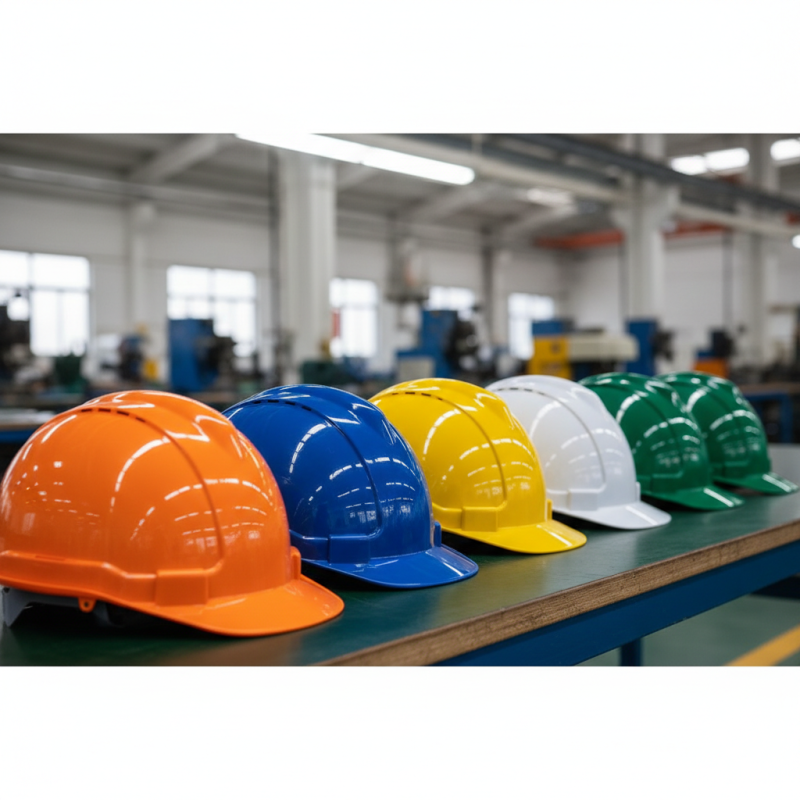
The aesthetic appeal of baking finish helmets is another significant advantage. They come in various colors and styles to match your team's branding. This customization boosts morale and promotes a unified look at the worksite. It’s crucial, however, to consider both style and functionality. A helmet must offer superior protection over aesthetics.
Tip: Encourage team members to personalize their helmets with stickers. Just ensure the added weight does not affect safety.
In conclusion, investing in baking finish industrial safety helmets can significantly enhance worker safety. Their unique properties and customizable designs make them a wise choice for any team. The balance between safety, functionality, and appearance is key to fostering a safe and motivated work environment.
Why Choose Baking Finish Industrial Safety Helmet for Your Team? - What Makes Baking Finish Helmets Stand Out in Safety Gear?
| Feature | Baking Finish Helmet | Standard Helmet |
| Durability | High resistance to scratches and chemical damage | Moderate resistance to scratches |
| Weight | Lightweight design for comfort | Heavier structure |
| Ventilation | Enhanced airflow for cooling | Basic ventilation |
| Customization | Available in various colors and designs | Limited customization options |
| Price Range | Moderately priced for high quality | Typically lower price point |
Key Benefits of Using Baking Finish Safety Helmets for Your Team
When it comes to industrial safety helmets, the choice of coating can significantly impact their performance. Baking finish helmets offer numerous advantages that enhance safety and durability. They provide a hard, resistant surface that can withstand harsh environments. This feature is essential for teams working in construction, mining, or manufacturing. The finish also helps in preventing scratches, which can compromise the integrity of the helmet over time.
Baking finish safety helmets can improve visibility. Many come in bright colors or can be painted for better alertness on-site. This makes it easier for team members to see each other in low-light situations. Additionally, their ability to resist chemicals and extreme weather conditions adds to their appeal. However, some people may overlook the importance of regular maintenance. Even the best helmets require periodic checks for any wear or damage.
Cost is another consideration. While baking finish helmets can be pricier upfront, their longevity often outweighs the initial investment. Many users report fewer replacements over time, which is a significant factor in budget planning. The value of safety and reliability makes them a wise choice, despite the need for ongoing evaluations and proper usage practices.
Comparative Analysis: Baking Finish Helmets vs. Other Safety Helmets
When it comes to industrial safety helmets, the choice of finish can significantly impact performance and safety. Baking finish helmets are gaining attention for their durability and resilience. A recent industry report highlights that helmets with a baking finish can withstand higher temperatures and resist chemical exposure better than traditional options. This durability reduces the risk of damage in extreme conditions, a common scenario in many industrial settings.
In contrast, other safety helmets, often made with less robust finishes, may degrade faster, especially in harsh environments. Data indicates that helmets with less effective coatings can lose structural integrity after just a few months. Workers may not realize that a compromised helmet is putting them at increased risk. Baking finish helmets frequently pass rigorous safety tests, ensuring maximum protection. Yet, while they offer superior features, not all teams may prioritize this type, often due to cost concerns.
Selecting the right helmet goes beyond just the finish. Every workplace is different. The specific hazards present must guide decision-making. Investing in higher-quality helmets can yield long-term benefits in worker safety and compliance with industry regulations. Reflections on past choices reveal the potential consequences of opting for less durable options. Proper training and awareness about these differences are essential to cultivate a culture of safety.
Best Practices for Choosing and Maintaining Safety Helmets in Industries
Choosing the right safety helmet plays a crucial role in workplace safety. According to the Occupational Safety and Health Administration (OSHA), approximately 1,000 head injuries occur daily in the U.S. industries. These injuries can lead to severe consequences. Therefore, using high-quality, durable helmets is essential.
It's vital to assess the helmet’s compliance with safety standards. The American National Standards Institute (ANSI) provides guidelines that helmets must meet. This includes impact resistance and durability. Regular maintenance of helmets is equally important. A study by the National Institute for Occupational Safety and Health (NIOSH) highlighted that 40% of workers reported using helmets showing signs of wear. An inspection every month can help in spotting problems early.
Proper storage can extend a helmet's lifespan. Exposure to extreme temperatures can degrade materials. Some employers overlook this. Implementing a tracking system for helmet usage and maintenance schedules can enhance accountability. Additionally, helmets should be replaced every five years, regardless of their condition, as materials may degrade over time. This proactive approach improves overall safety in the workplace.