
Blog
2026 Top PVC Lightweight Conveyor Belts Buyers Guide?
When it comes to industrial applications, PVC lightweight conveyor belts play a crucial role. These belts are prized for their flexibility, durability, and low weight. They offer effective solutions across various industries, from food processing to warehousing. Understanding their features can help buyers make informed decisions.
In recent years, the demand for PVC lightweight conveyor belts has surged. This increase is due to their cost-effectiveness and efficiency. However, selecting the right belt involves considering several aspects. Factors such as belt width, thickness, and surface texture can greatly impact performance. Buyers should evaluate the specific needs of their operations carefully.
Choosing the best PVC lightweight conveyor belts requires experience and expert insight. The market is filled with options, and not all are created equal. Some products may not meet long-term reliability standards. Therefore, it’s essential to research thoroughly. Identifying reputable manufacturers can significantly influence your selection process.
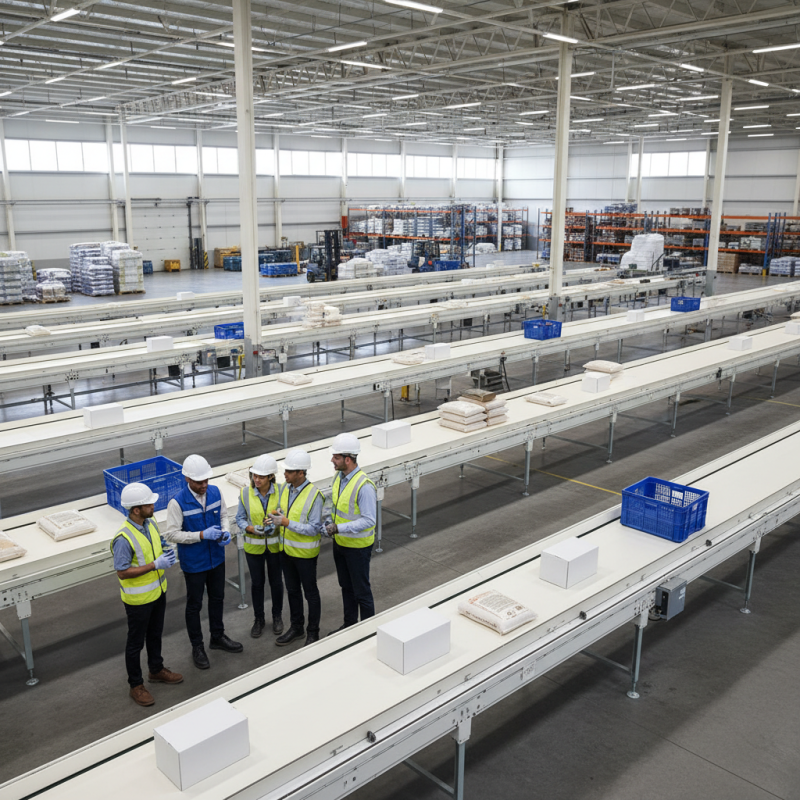
Understanding PVC Lightweight Conveyor Belts: Key Features and Benefits
PVC lightweight conveyor belts are commonly used in various industries for their unique properties. These belts are made from polyvinyl chloride, which provides excellent durability and flexibility. According to a report by Research and Markets, the global conveyor belt market is projected to reach $7.6 billion by 2025, highlighting the growing importance of effective material handling solutions. The lightweight nature of PVC belts allows for easy installation and maintenance, proving beneficial for operations with limited downtime.
One key feature of PVC lightweight conveyor belts is their resistance to abrasion and chemicals. This makes them suitable for food processing, packaging, and even recycling applications. Performance metrics indicate that these belts can last up to 50% longer than traditional rubber belts under similar conditions. However, not all PVC belts are created equal, and quality can vary based on manufacturing processes. This variability may lead to challenges in selecting the right product for specific applications.
Another significant benefit of PVC lightweight conveyor belts is their excellent grip and traction. This is crucial in preventing product slippage during transportation. Industry studies show that better grip can enhance throughput by up to 20%. Careful consideration is essential when evaluating the appropriate belt for your needs. Balancing cost and performance can lead to missteps that affect operational efficiency. The decision-making process demands diligence and a thorough understanding of operational requirements.
2026 Top PVC Lightweight Conveyor Belts Buyers Guide
| Feature | Description | Benefits | Applications |
|---|---|---|---|
| Material | PVC (Polyvinyl Chloride) | Durable, flexible, and resistant to various chemicals. | Food processing, packaging, and assembly lines. |
| Weight | Lightweight construction | Easier installation and lower operational costs. | Material handling and automation systems. |
| Temperature Resistance | -10°C to 50°C | Suitable for various environments without degradation. | Cold storage facilities and manufacturing plants. |
| Surface Texture | Smooth and textured options | Improved grip and reduced slippage. | Conveyor systems in various industries. |
| Customization | Custom sizes and colors available | Tailored solutions for specific needs. | Manufacturing, logistics, and distribution centers. |
Criteria for Selecting the Right PVC Lightweight Conveyor Belt for Your Needs
When selecting a PVC lightweight conveyor belt, consider several key factors. Material quality is paramount. PVC belts are known for their durability and resistance to various conditions. Look for belts designed to withstand your specific application. The weight capacity is also crucial. Ensure the belt can support the items you intend to transport.
Another important criterion is the surface texture. A textured surface can improve grip and facilitate the movement of products without slipping. For lighter items, a smoother surface might suffice. Additionally, check the belt's flexibility. A flexible belt adapts better to varied applications, ensuring smoother operation.
Tips: Always assess the environment where the belt will operate. Heat, moisture, or chemical exposure can influence the performance and lifespan of the belt. Regular maintenance checks can also prevent unexpected downtimes.
Finding the perfect PVC lightweight conveyor belt requires careful thought. Each application can be unique, leading to variations in requirements. Analyze your needs and experiment cautiously, as discovering what works best often involves adjusting and refining your choices.
Top Brands and Manufacturers of PVC Lightweight Conveyor Belts in 2026
In 2026, the PVC lightweight conveyor belt market is anticipated to expand significantly. According to industry reports, demand for these belts is expected to grow by approximately 7% annually. This growth is driven by their lightweight design and versatility, which are crucial in sectors like food processing and logistics.
Top manufacturers in the PVC lightweight conveyor belt sector focus on innovation and sustainability. They invest heavily in R&D to enhance product performance and reduce environmental impact. For instance, advancements in PVC formulation can lead to stronger, more durable belts. However, not every brand achieves this balance. Some products may compromise on quality for cost savings.
Tip: Always check for certifications and product credentials when selecting a conveyor belt. Quality assurance can lead to fewer breakdowns and longer service life.
While established brands dominate, emerging companies are increasingly gaining traction. They often offer competitive prices and unique features. However, potential buyers should remain vigilant. Newer brands may lack the testing history to guarantee reliability under heavy use.
Tip: Don’t overlook customer reviews. They can provide insights into real-world performance and durability.
Maintenance Tips for Enhancing the Lifespan of PVC Conveyor Belts
Maintaining PVC conveyor belts is essential for ensuring their longevity and optimal performance. Regular cleaning is crucial. Debris accumulation can lead to wear and increased friction. Use mild detergents and water for cleaning, but avoid harsh chemicals that can degrade the belt material. Make it a routine to inspect the belt for signs of damage. Small cracks or tears can worsen over time if not addressed promptly.
Another important aspect is proper alignment and tension. Misalignment can cause uneven wear and excessive strain on the belt's structure. Regularly check the tension; too much can stress the belt, while too little can lead to slippage. Use tension gauges to find the right balance. Additionally, consider the environment where the belts operate. High temperatures or humidity can affect performance. Stay vigilant about these factors to prevent unexpected breakdowns.
Lastly, lubrication plays a crucial role, yet it is often overlooked. Insufficient lubrication can cause unnecessary friction, accelerating wear. Choose the appropriate lubricant for your setup. This task should be done carefully to avoid over-lubrication, which can attract more dirt and grime. Reflect on your maintenance routine periodically. Improvements can often be found in the smallest details.
2026 Top PVC Lightweight Conveyor Belts Maintenance Tips
This chart illustrates the importance of various maintenance practices for enhancing the lifespan of PVC conveyor belts. Regular maintenance can significantly reduce costs and downtime in operations.
Current Trends and Innovations in PVC Lightweight Conveyor Belt Technology
The PVC lightweight conveyor belt technology has made significant strides recently. These innovations focus on improving efficiency and reducing costs. New materials enhance durability while maintaining a lightweight design. This allows for better performance in various industrial environments.
One notable trend is the integration of smart technology. Sensors embedded in conveyor belts monitor performance in real time. This helps identify wear and tear, potentially preventing costly downtime. Many manufacturers are exploring eco-friendly materials to reduce environmental impact. New production methods also aim to lessen waste during the manufacturing process.
Tips: When selecting a conveyor belt, assess the specific needs of your operation. Look for belts that offer customization options. Evaluate the costs versus long-term benefits. Regular maintenance checks are crucial to ensure optimal performance. Balancing innovation with practicality can lead to better investment decisions in your conveyor systems.